
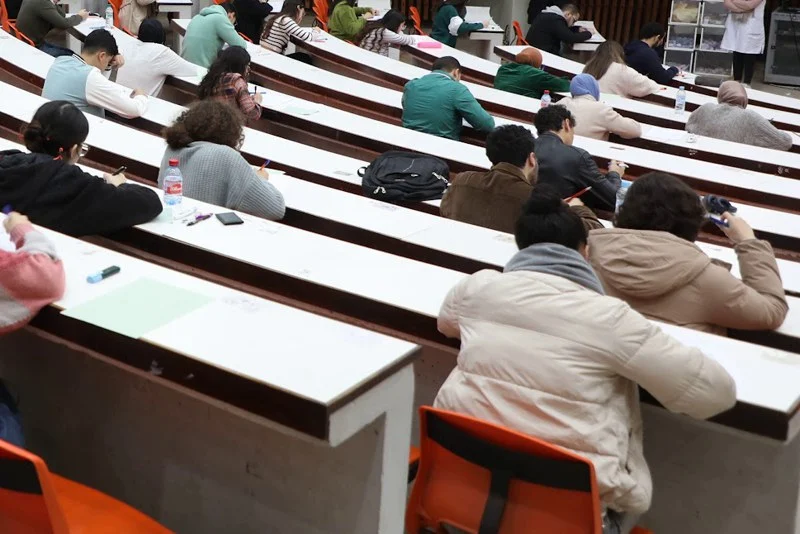
Morocco has officially ended written and oral exams for access to master’s programs, replacing them with a selection process based on academic records, according to the new national pedagogical framework published in the Official Bulletin.
The Ministry of Higher Education says the reform aims to ensure fairness, curb corruption scandals and unify rules across universities. But reactions among academics remain deeply divided.
What the reform says
The ministerial decision stipulates that master’s admission will now be based on file review, with criteria defined in each program’s official description.
Holders of a bachelor’s degree or equivalent diplomas may apply, while students graduating from newly created “Centers of Excellence” are granted automatic access to related master’s tracks.
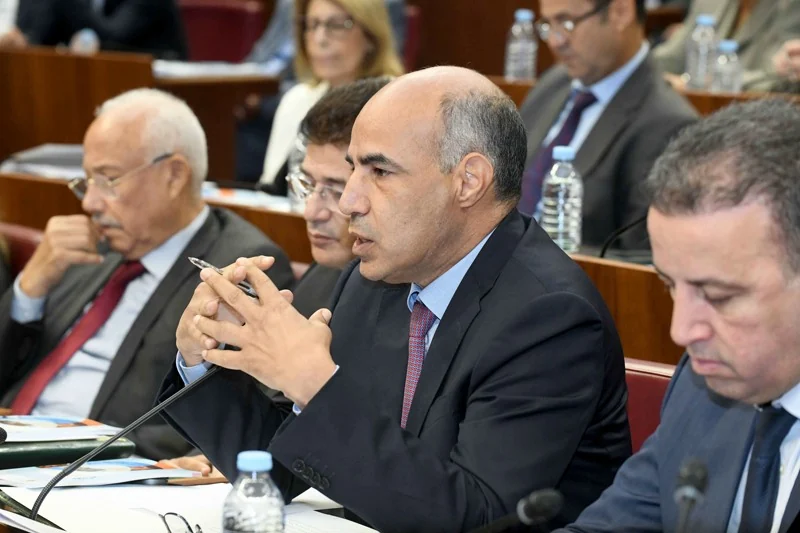
Candidate selection will be overseen by committees including university and faculty leadership, with final lists signed and transmitted to ensure transparency.
Supporters’ view
Some professors argue the reform limits opaque practices tied to entrance exams and promotes transparency by relying on measurable academic results.
Advocates highlight the simplification of procedures, the strengthening of specialization units, and the automatic pathways for high-achieving graduates, which they see as incentives for merit.
Critics’ concerns
Other academics warn that relying solely on undergraduate grades risks deepening inequalities, given that grading standards vary significantly between faculties.
They argue capacity constraints in master’s programs could leave many qualified students excluded despite strong records.
Concerns also extend to the potential decline in the value of the master’s degree, the persistence of corruption in other forms, and unresolved issues like rising exam fraud.
What’s next
Universities must now align all master’s curricula with the new rules in time for the academic year, a transition professors say requires more consultation and preparation. The reform, seen as a major shift in higher education governance, will likely be tested in practice in the coming years.






add your comment
Terms of publication : Not to offend the writer, people, sacred things, or attack religions or the divine self, and refrain from racist incitement and insults.