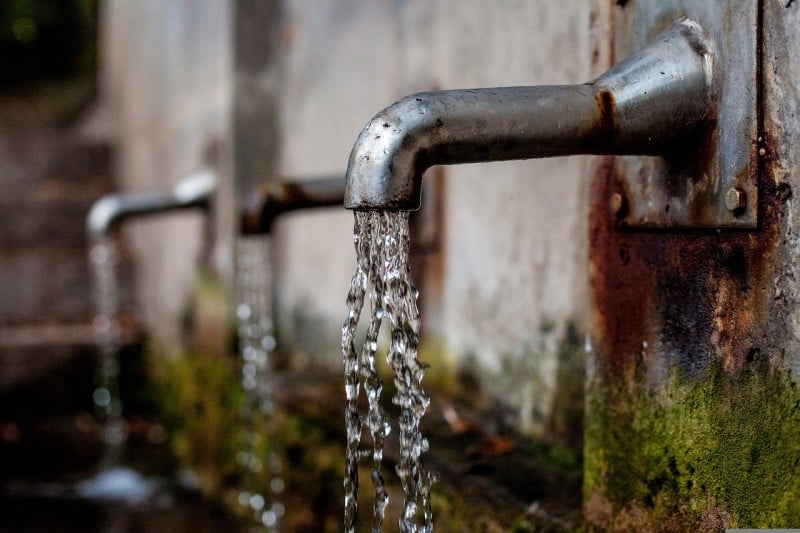
Drinking water shortages that once plagued only Morocco’s remote villages are now hitting suburban neighborhoods in major cities, leaving families without water for days amid scorching summer heat.
Communities in Souk El Arbaa, Sidi Slimane and the coastal village of Achmaala near Chefchaouen have reported increasingly frequent interruptions and reduced pressure in recent weeks. Residents are voicing frustration, warning that the crisis is worsening with each passing year.
In Souk El Arbaa, residents took to social media to denounce the repeated cuts. “Don’t give us excuses,” one person wrote. “Rich areas never lose water.” The regional multi-service company acknowledged a malfunction in a main supply line, though it claimed the line fell outside its operational network, a defense that failed to reassure locals.
In Sidi Slimane, water disruptions have persisted for months, with residents describing daily struggles to cope with high temperatures. In nearby Chefchaouen, the issue has even spread to tourist rental homes in Achmaala, where locals issued online appeals after water stopped flowing altogether.
Environmental experts attribute the crisis to a combination of natural and human factors. Mostafa Beramel, an environmental analyst, told Hespress Ar that erratic rainfall and extreme heat are accelerating the depletion of both surface and underground water supplies. “Rain no longer falls regularly or long enough to recharge aquifers,” he said, adding that rising temperatures are causing surface water to evaporate more quickly.
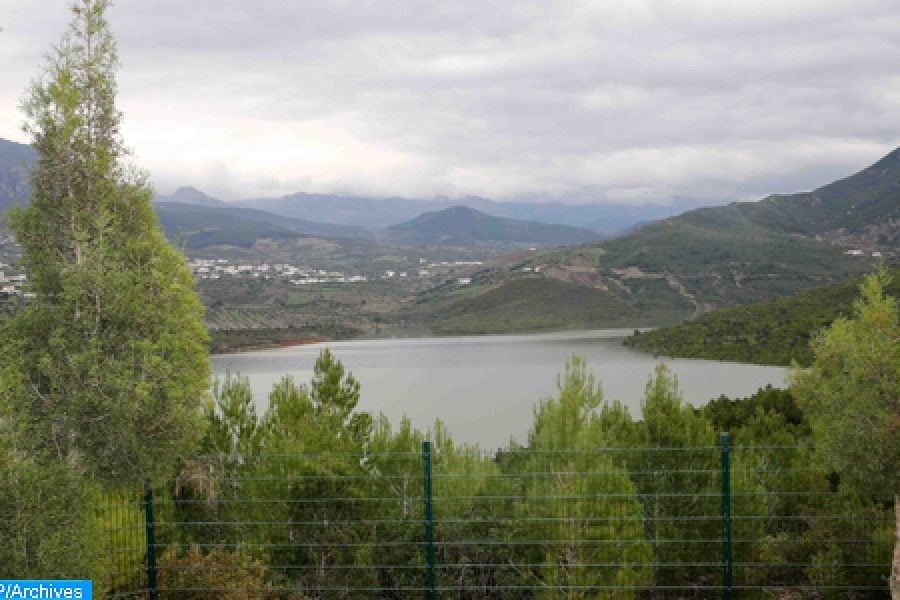
Beramel also pointed to reckless irrigation practices, deliberate pipeline sabotage, and weak local governance. In Sidi Slimane, dam levels have dropped significantly, further straining the region’s water infrastructure.
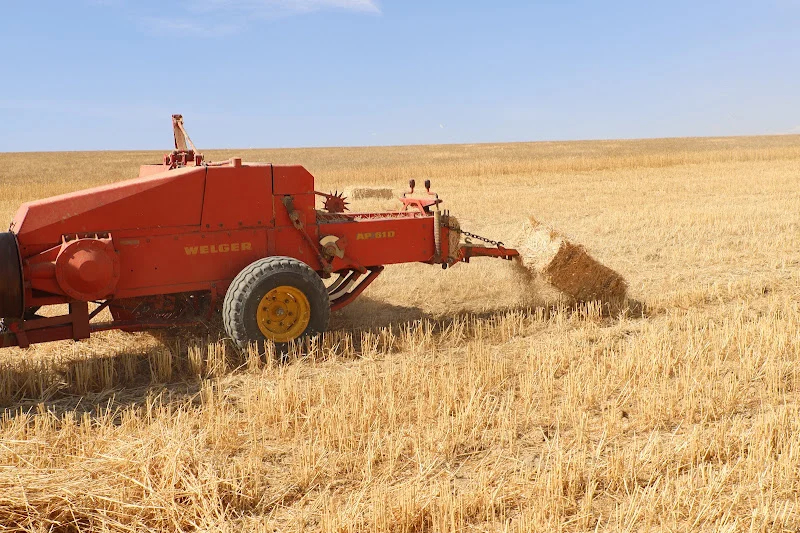
Mostafa El Aissat, a specialist in sustainable development, cited four primary causes behind the deepening crisis: prolonged drought, increased cultivation of water-intensive crops like melons and blueberries, surging demand from population and industrial growth, and chronic mismanagement. “Even in our seventh consecutive year of drought,” he said, “we continue to see outdated and wasteful agricultural practices.”
To address the crisis, the Moroccan government has launched a 145 billion dirham ($14.2 billion) national program aimed at expanding desalination, wastewater treatment, and large-scale water transfer projects. Still, affected residents say immediate relief is urgently needed.
What began as a rural concern has now become a suburban emergency, and experts warn that, without rapid action, Morocco’s water crisis could soon reach the heart of its major cities.






add your comment
Terms of publication : Not to offend the writer, people, sacred things, or attack religions or the divine self, and refrain from racist incitement and insults.