
Morocco is challenging South Africa’s long-held dominance in Africa’s car industry, according to a report by Jeune Afrique.
Backed by major investment and a focus on electric vehicles, the report says that Morocco is positioning itself as the continent’s next automotive leader.
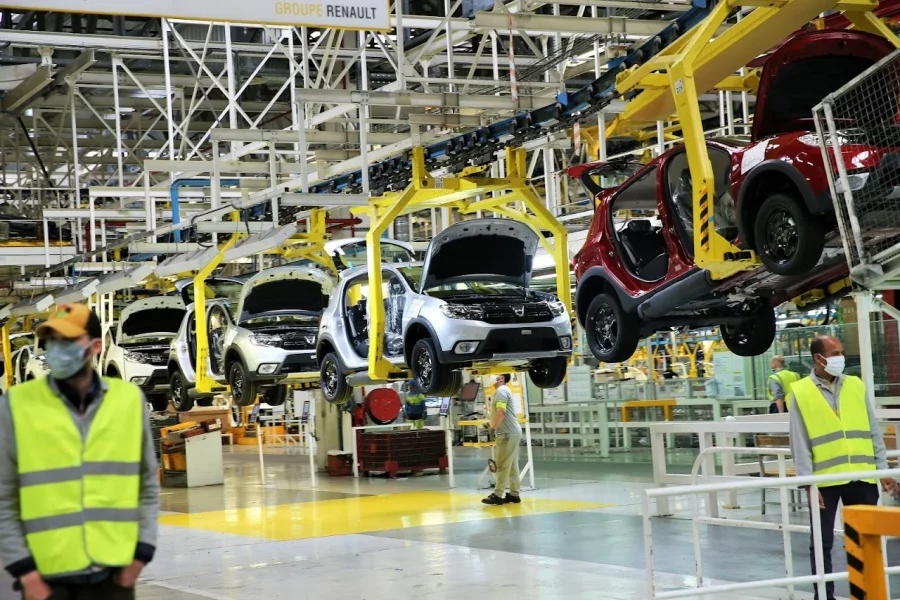
The turning point for Morocco came in July 2025, when carmaker Stellantis launched a $1.4 billion expansion at its Kenitra plant, about 30 kilometers from Rabat.
The upgrade will triple engine production to 350,000 units a year by 2030 and more than triple the output of small electric cars to 70,000 units.
The project, supported by Moroccan tax breaks, free land, and worker training programs, is set to make Kenitra a strategic industrial hub in Africa.
Morocco’s electric vehicle sector is also accelerating. Sales jumped 52% in 2024 to over 11000 units, and the government plans to boost charging stations from 1000 to 3500 by 2026. The target is 100,000 EVs a year by 2025.
South Africa, meanwhile, is facing mounting challenges. Cheap Chinese imports have cut into local sales, major producers like Mercedes-Benz and BMW have seen declines, and new 25% U.S. tariffs on cars and parts have halted exports to one of its biggest markets.
Electric car production remains limited, just over 15,600 units in 2024, leaving the country exposed as Europe and the UK move to ban petrol and diesel car sales from 2035.
The report says these trends could shift Africa’s automotive crown to Morocco in the coming years.
Morocco is already Africa’s top producer of passenger cars and second in utility vehicles, with total production set to hit one million in 2025 after reaching 700000 in 2024.









add your comment
Terms of publication : Not to offend the writer, people, sacred things, or attack religions or the divine self, and refrain from racist incitement and insults.