
Morocco’s legal cannabis industry is expanding with new medical and industrial products, but a lucrative black market continues to lure farmers away from licensed cultivation, Reuters reported.
Despite the 2022 legalization of cannabis for medical and industrial use, Interior Ministry data shows that illegal cultivation still dwarfs the regulated sector. Around 27,100 hectares are dedicated to illicit farming, compared with just 5,800 hectares of licensed land.
Farmers are drawn to the black market because of higher and faster returns. Legal cooperatives pay roughly 50 dirhams ($5) per kilogram of raw cannabis after months of processing, while illicitly processed resin can fetch up to 2,500 dirhams ($250) per kilogram.
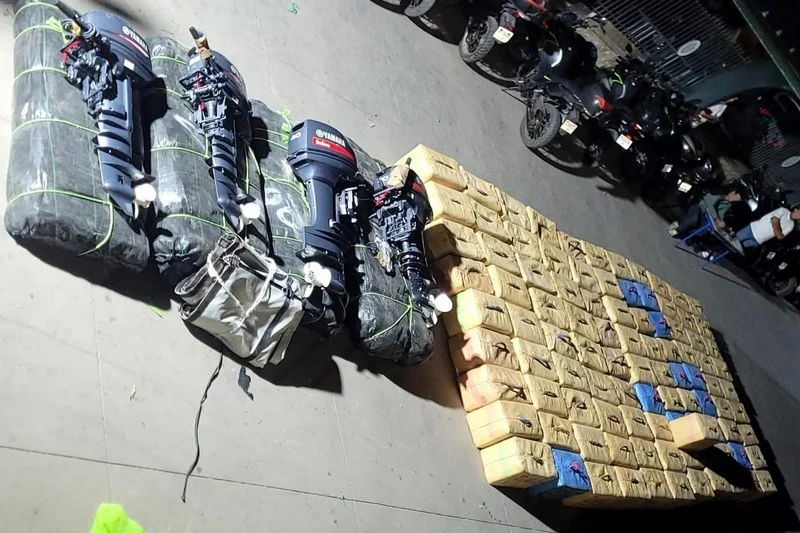
Authorities have stepped up enforcement to curb illegal production. By September 2024, Moroccan security forces had seized 249 tons of cannabis resin, a 48% increase compared with 2023.
The legal sector is constrained by strict rules requiring farmers to join licensed cooperatives and obtain permits at each stage of the supply chain. These bureaucratic hurdles, combined with the ban on recreational use, discourage many growers from switching to the legal market.
Mohamed Guerrouj, head of the National Agency for the Regulation of Cannabis Activities (ANRAC), reiterated that recreational cannabis remains off the table. “Legalizing recreational cannabis would only be considered within a medical framework,” he said, emphasizing the focus on pharmaceutical development rather than coffee shop-style consumption.
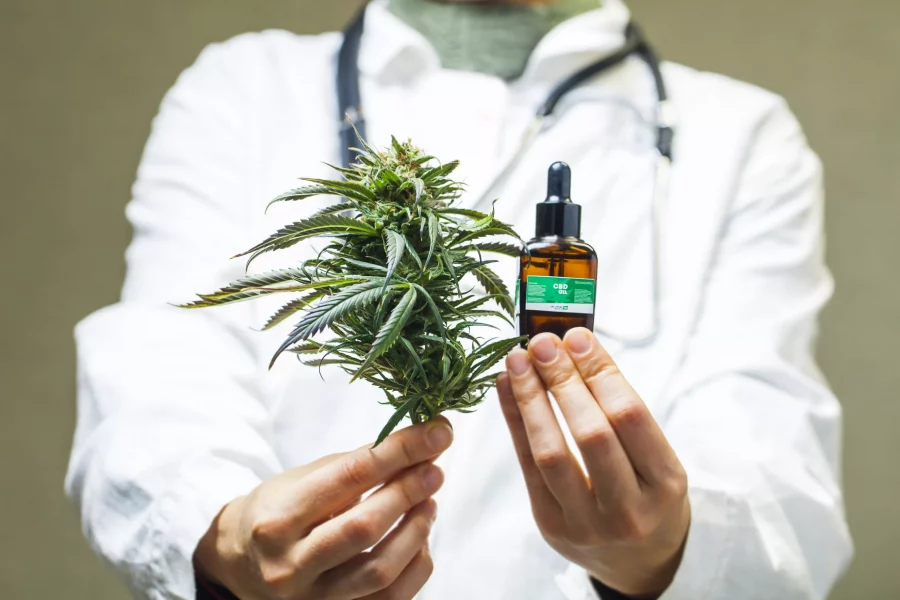
Even with these limitations, Morocco’s legal cannabis industry has introduced more than 22 products in just two years. The market now includes cannabidiol (CBD) oils for relaxation and better sleep, joint and headache relief treatments, anti-hair loss solutions, and advanced cosmetics aimed at improving skin softness and hair growth.
The sector’s growth highlights Morocco’s potential to become a regional leader in medical cannabis, though the persistence of the black market underscores the challenge of balancing economic opportunity with regulation.







add your comment
Terms of publication : Not to offend the writer, people, sacred things, or attack religions or the divine self, and refrain from racist incitement and insults.