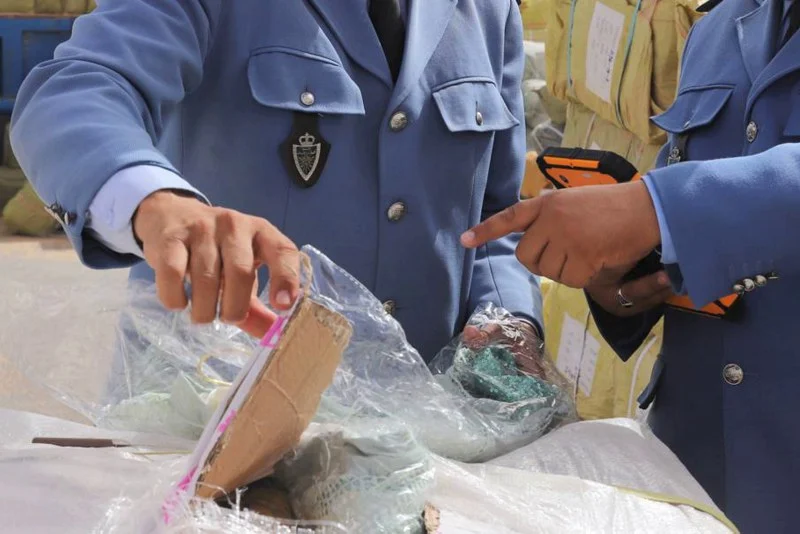
Customs authorities in Morocco have launched a wide-scale inspection at the ports of Casablanca and Tanger Med, targeting potential irregularities in the import of polyethylene, according to well-informed Hespress AR sources.
The probe, led by the National Customs Brigade in coordination with regional inspection units, was triggered by intelligence suggesting the use of forged documents to smuggle large quantities of polyethylene into the country outside official customs channels.
Sources said the Customs Risk Monitoring and Analysis Unit provided inspection teams with crucial data indicating that the raw material, commonly used in the illicit manufacturing of banned plastic bags, had been fraudulently imported.
Several of the imports reportedly came from Latin American suppliers, particularly in Argentina, through fraudulent or manipulated invoices.
The investigation currently focuses on three companies and two customs brokers suspected of undervaluing invoices and misreporting import volumes to evade customs oversight.
Auditors have begun a detailed review of customs declarations, registered inventory, and import records in an effort to identify discrepancies and potential document falsification involving both customs authorities and the Ministry of Industry and Trade.
Authorities were reportedly stunned by the volume of polyethylene seized during recent raids, especially in areas surrounding Casablanca.
The substance is subject to strict pre-authorization for importation. Seizure reports and observations from customs officers, tax officials and environmental gendarmes have been submitted to officials at the Ministry of Industry and Trade for further examination of import licenses granted to companies operating in both industrial and non-industrial zones.
Investigators are also scrutinizing the logistics and post-clearance routing of polyethylene shipments. Some tons of raw material intended for industrial use were instead diverted to clandestine warehouses, where they were allegedly used to manufacture illegal plastic bags.
The operation is believed to involve not only freight handlers but also local officials and intermediaries who provided logistical support and protection for the underground production facilities.
Sources said the investigation will soon extend to on-site inspections of factories that imported polyethylene, with a focus on verifying whether the facilities are complying with the conditions outlined in their pre-import authorization requests. These include declared import volumes and stated purposes for use, as required by the Foreign Trade Department of the Ministry of Industry and Trade.
Preliminary estimates suggest that nearly 30% of Morocco’s polyethylene imports may be redirected to the illegal production of plastic bags, despite a national ban.
Under Moroccan regulations, importers must file a special request via the PortNet platform to obtain a license for importing polyethylene. This includes a signed declaration committing the importer to using the raw material solely for internal production purposes and prohibiting its resale without explicit authorization from the ministry.






add your comment
Terms of publication : Not to offend the writer, people, sacred things, or attack religions or the divine self, and refrain from racist incitement and insults.