
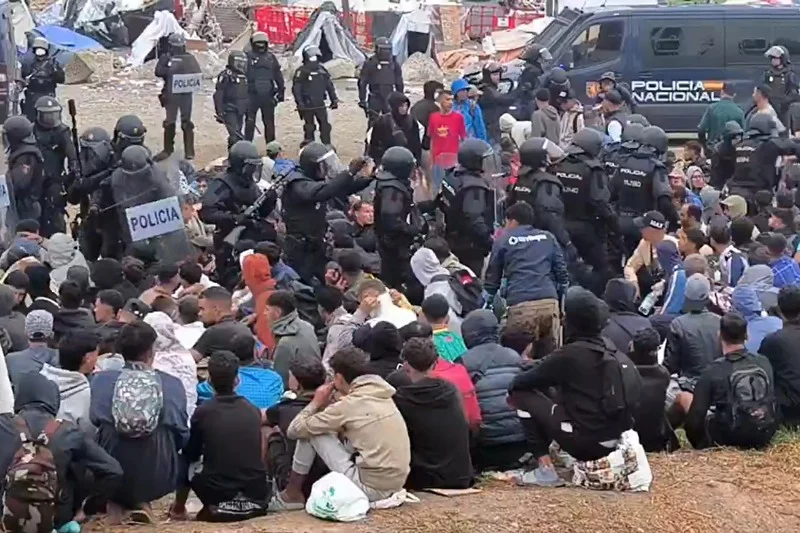
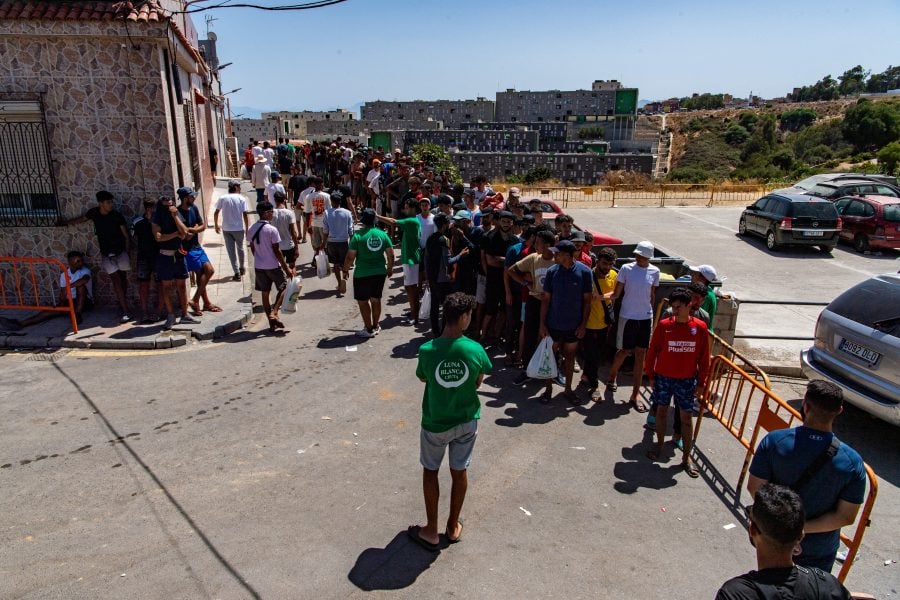
Morocco ranks as the 18th global and 2nd African country of origin for migrants, according to the International Organization for Migration’s World Migration Report 2024, underscoring its dual role as both source and transit state despite state-led efforts to regulate outflows and tighten border controls.
The report highlights that, while remittances from Moroccan expatriates exceeded $11 billion in 2022, constituting 8% of GDP and cushioning pandemic-era economic blows, irregular migration remains deeply perilous: over 20,000 deaths and disappearances were recorded along Mediterranean routes between 2014 and 2022, including 2,800 in 2022 alone on the Atlantic and western Mediterranean corridors.
Internally, Morocco hosts 148,000 foreign migrants, while intercepting over 78,000 attempted crossings toward Europe in 2024, further cementing its status as a central node in North–South mobility.
The IOM report also flags climate-induced displacement, citing the relocation of 9,500 people after 2022’s northern wildfires, as an emerging domestic pressure point in migration dynamics.
While migration injects foreign currency and integrates Moroccan labor into global markets, especially in sectors like agriculture, construction, and services, the domestic socioeconomic picture remains strained.
An Afrobarometer survey reveals a surge in emigration intent among youth: 28% of 18–35-year-olds report seriously considering leaving the country, up from 20% in 2017, driven overwhelmingly by unemployment, lack of economic mobility, and aspirations for education or business abroad.
This exodus desire comes despite record educational gains: 56% of Moroccan youth now hold post-secondary degrees, compared to 9–27% among older cohorts. Yet this academic progress is belied by soaring youth joblessness, which climbed to 37.7% in early 2025.




add your comment
Terms of publication : Not to offend the writer, people, sacred things, or attack religions or the divine self, and refrain from racist incitement and insults.