
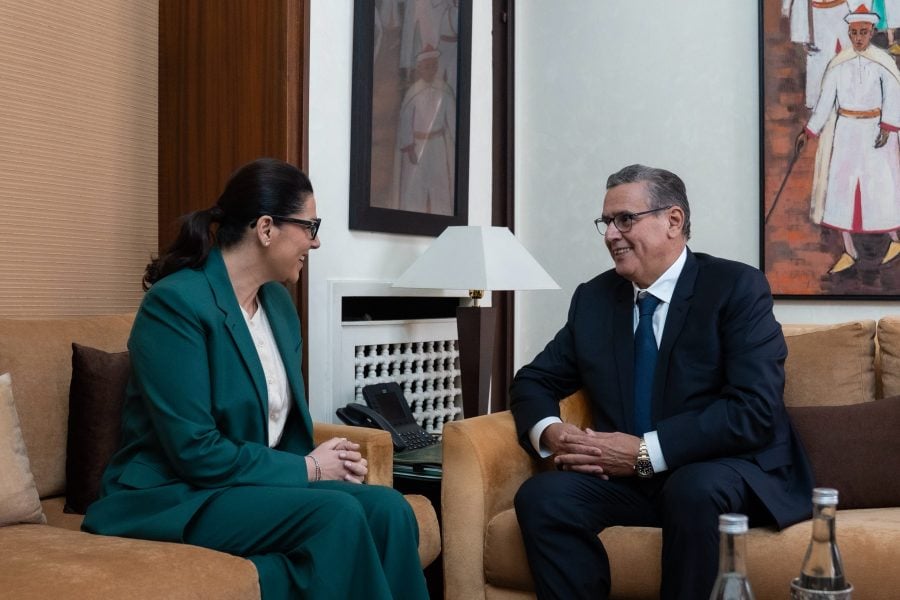
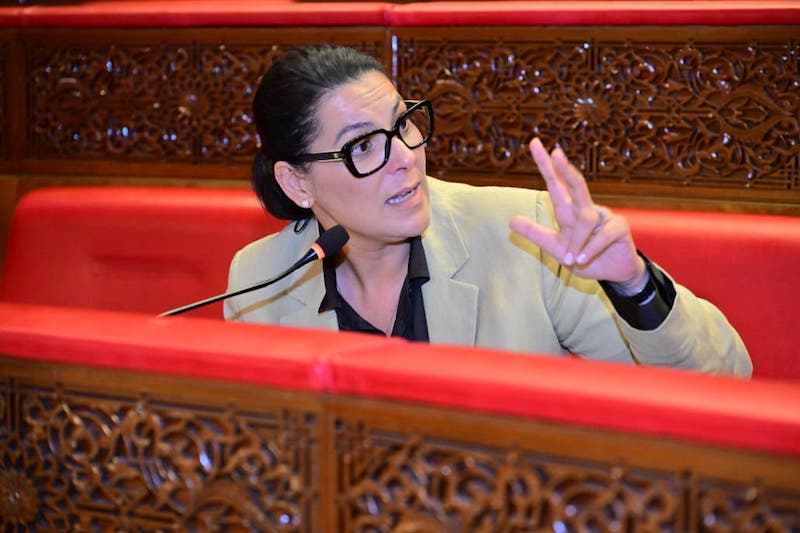
During a parliamentary session focused on health policy, Head of government Aziz Akhannouch laid out Morocco’s progress in overhauling its healthcare system, highlighting major infrastructure projects, expanded workforce recruitment, and the rollout of universal health coverage.
He also outlined long-term structural reforms intended to modernize public health delivery and boost system resilience.
Akhannouch announced that 949 out of 1,400 primary healthcare centers have been renovated under a MAD 6.4 billion program aimed at improving local access to quality care.
Five new university hospitals are under construction in Agadir, Laâyoune, Kelaat Sraghna, Beni Mellal, and Errachidia. Additionally, Rabat’s main university hospital is being completely rebuilt with a planned capacity of over 1,000 beds.
Addressing personnel shortages, the government raised the annual number of healthcare hires from 5,500 in 2021 to 6,500 in 2025. Medical education capacity has been expanded significantly, by 88% for medical schools and 75% for paramedical institutes. The length of medical studies has been shortened from seven to six years to accelerate the entry of new doctors into the system.
Key legislative actions were also adopted, including a framework law restructuring the national health system, the creation of the Moroccan Medicines Agency, and the establishment of Territorial Health Groupings (GSTs) designed to decentralize healthcare management and align resources with regional needs.
Akhannouch emphasized the digitization of public health services, including the generalization of a shared electronic medical record and digital connectivity between health facilities. Meanwhile, universal health coverage has now been extended to all Moroccans, compared to just 30% before the reforms began.
To address the brain drain and improve retention, the government has increased doctors’ salaries by MAD 3,800 per month and raised bonuses for nurses. A new “Health Civil Service” is set to introduce a performance-based pay structure that combines a fixed salary with variable incentives.
The government has also acted to reduce the cost of medication by eliminating VAT on over 4,500 generic drugs. A vaccine production facility under development in Benslimane is expected to cover 70% of Morocco’s and Africa’s vaccine needs by 2026.
Akhannouch closed by acknowledging that while results are already visible, the full impact of these reforms will unfold over the next five to ten years. Once GSTs are fully operational, they are expected to significantly improve healthcare equity and efficiency by adapting service delivery to the specific needs of each region.







add your comment
Terms of publication : Not to offend the writer, people, sacred things, or attack religions or the divine self, and refrain from racist incitement and insults.