
A proposed government decree requiring private schools in Morocco to offer free enrollment to at least 15% of students from disadvantaged or disabled backgrounds is drawing fierce debate across the education sector.
Supporters hail the measure as a long-overdue step toward educational equity, providing a lifeline for thousands of high-potential but low-income children. But private education leaders warn the proposal could undermine the sector’s legal foundations and financial viability.
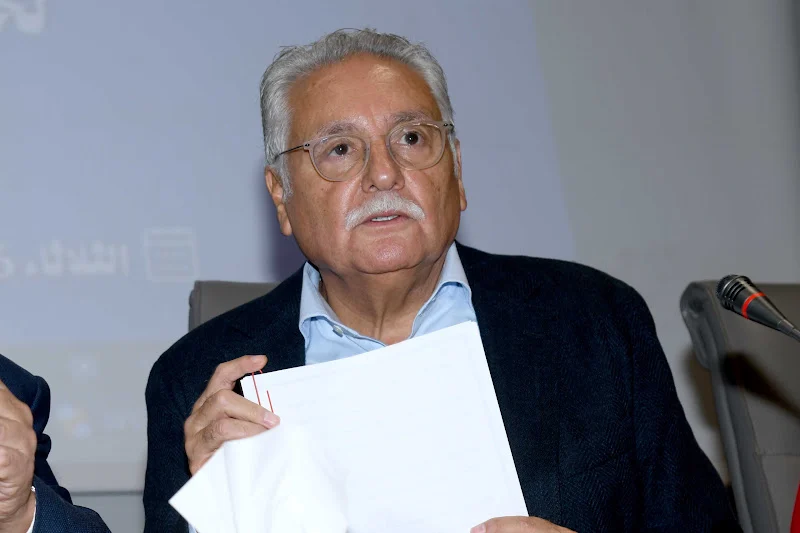
Mohamed Hansali, president of Morocco’s Private Education Alliance, argues the move unfairly shifts state responsibilities onto private institutions. “Our schools operate on legal licenses and clear contracts with families. Imposing free services outside that framework challenges the very core of our model,” he told Hespress. He also warned of economic fallout, noting the sector is still recovering from the pandemic.
Parents’ groups take a more nuanced view. Noureddine Akkouri, president of the National Federation of Parent Associations, supports the aim of the policy but acknowledges its practical limits. “It’s a unique opportunity for talented children who lack resources. But many private schools see the 15% quota as financially unmanageable,” he said.
Though rooted in Morocco’s 2019 education reform law (Framework Law 17.51), the requirement has been loosely enforced due to the lack of a defined quota, until now.
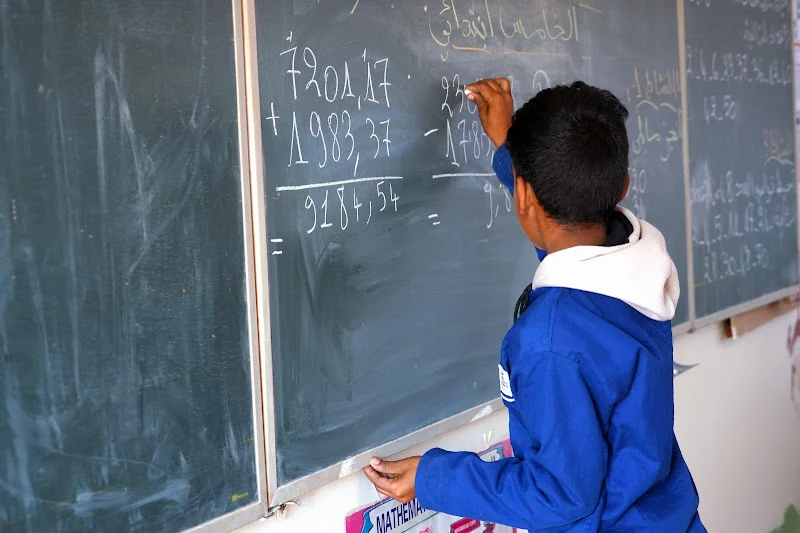
Most private schools have not implemented the provision, leaving many disadvantaged families excluded from quality education, while public schools struggle to meet rising expectations.
Both sides agree on the need for dialogue. Akkouri proposed a joint commission between the education ministry, private school representatives, and parent associations to craft a workable solution. Hansali called for the withdrawal of the current draft and a new consultation process.
Beyond legal and financial concerns, the debate spotlights a larger national question: how can Morocco reconcile the pursuit of educational excellence with social justice? As the divide between policy ambition and operational reality grows, the pressure for a balanced, inclusive solution is mounting.





add your comment
Terms of publication : Not to offend the writer, people, sacred things, or attack religions or the divine self, and refrain from racist incitement and insults.