
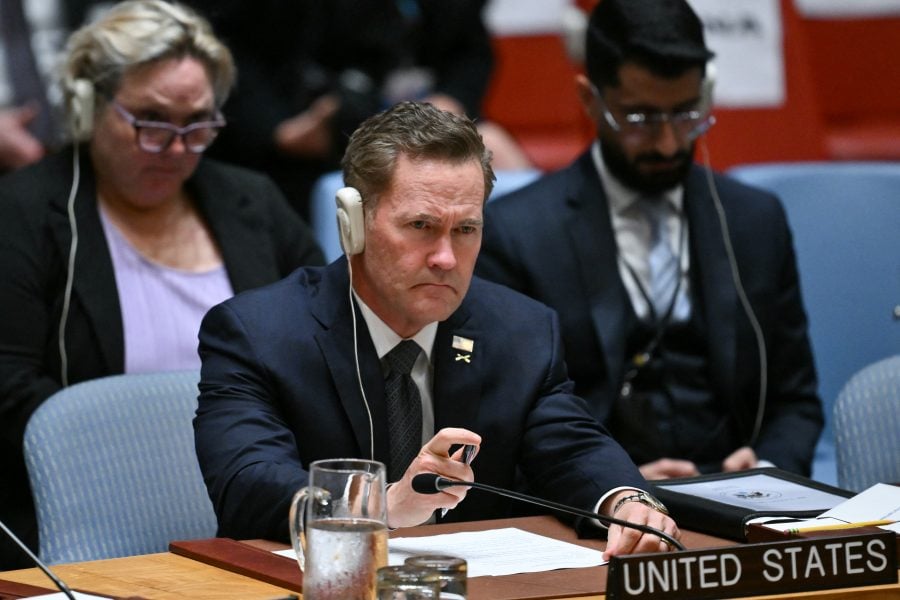
U.S. President Donald Trump has made a surprising call for Russia to mediate in the escalating conflict between Iran and Israel, signaling a potential shift in global power dynamics and offering new diplomatic opportunities for regional actors, including Morocco.
The appeal to Moscow, made amid rising tensions in the Middle East, could mark a turning point in the strategic realignments among major powers. Analysts say the move reflects Washington’s desire to redraw the architecture of global alliances and reengage Russia after years of geopolitical tension and diplomatic disengagement.
If this rapprochement materializes, it could reshape the balance of power and alter the behavior of global institutions, particularly the U.N. Security Council. For Morocco, which has steadily gained diplomatic traction since the U.S. recognized its sovereignty over Sahara in 2020, a thaw between Washington and Moscow could open a new strategic window.
Despite historical ties with Morocco, Russia has maintained a cautious stance on the Sahara dispute. A recalibration of its position, prompted by closer engagement with Washington, may allow Rabat to reposition itself within a shifting global order, observers say.
Global Realignment and Regional Leverage
Trump’s proposal, while framed as a diplomatic maneuver, is seen by experts as a broader bid to challenge current U.S. foreign policy orthodoxy. Hassan Idrissi, an international relations scholar at Ibn Zohr University in Agadir, said such a shift necessitates strategic vigilance from Rabat.
“Any potential convergence between Moscow and Washington would reshape the dynamics within the Security Council, where both powers are instrumental in shaping decisions related to Western Sahara,” Idrissi told Hespress AR.
He added that Morocco’s diplomatic maturity, built over years of engagement, positions it to adapt effectively to these rapid geopolitical shifts. To capitalize on the moment, Morocco must deepen engagement with key capitals on both sides of the geopolitical divide, including through informal channels with Russia.
Idrissi also noted that Morocco would benefit from distancing itself from Cold War-style allegiances and instead embracing pragmatic diplomacy to navigate changing global alignments.
Morocco’s Balancing Act
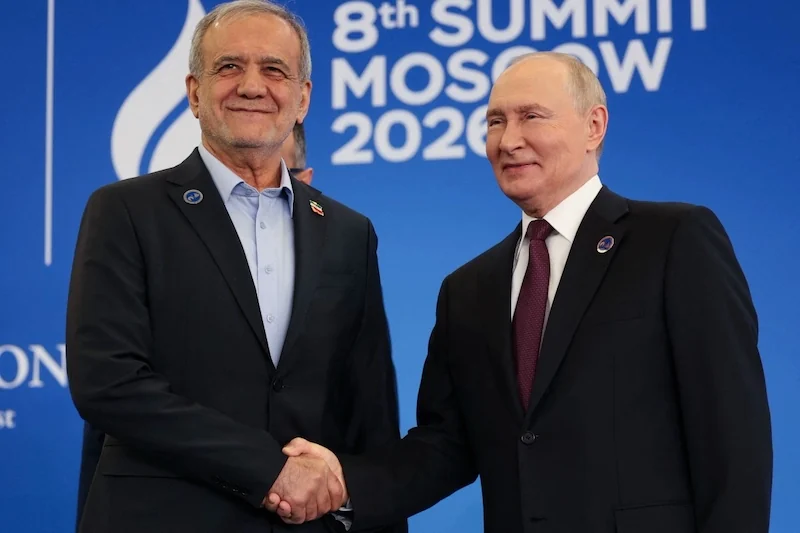
Sanaa El Qasmi, head of the political science department at the Euro-Mediterranean University in Fez, said Trump’s invitation to President Vladimir Putin reflects both a shift in the American political landscape and the emergence of new international coalitions beyond the traditional East-West divide.
“This may be a temporary or tactical opening, but it signals a willingness among global powers to move past old red lines in order to maintain strategic equilibrium,” El Qasmi told Hespress AR.
She emphasized that Morocco, with its longstanding flexible foreign policy and increasing regional influence, is well placed to seize this moment. The kingdom’s experience in mediation and its leadership role in Africa make it a credible actor in shaping broader international approaches to protracted conflicts.
According to El Qasmi, Morocco should use this opportunity to advocate for a more realistic and development-centered approach to the Sahara issue, one that transcends rigid diplomatic formulas.
“With potential changes in Security Council dynamics, Morocco must remain alert and proactive,” she said. “This moment calls for strategic foresight and smart diplomacy to strengthen Rabat’s influence and reduce the room for maneuver among opposing actors.”



add your comment
Terms of publication : Not to offend the writer, people, sacred things, or attack religions or the divine self, and refrain from racist incitement and insults.