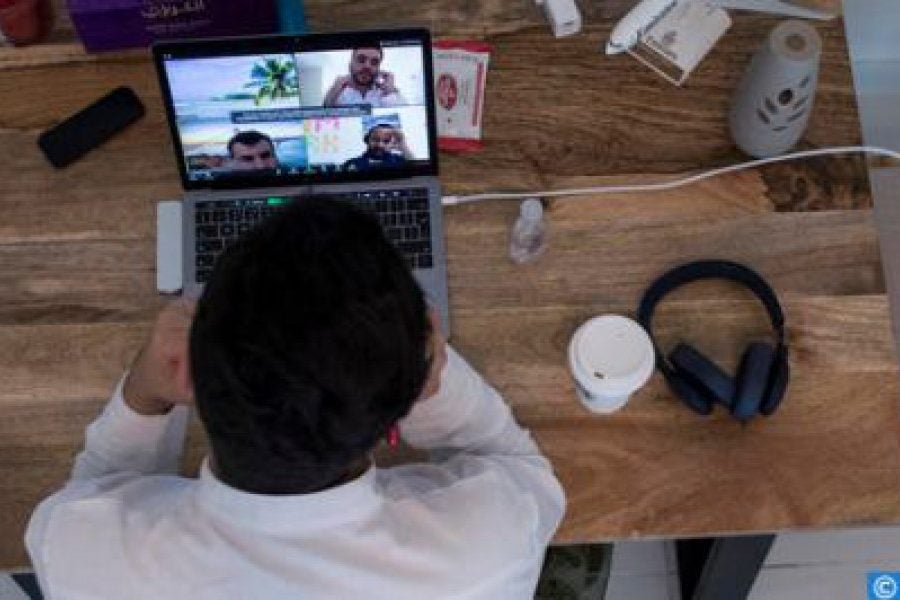
A recent peer-reviewed study published in the “Al-Bahith Journal for Studies and Research” examined how Moroccan youth engaged with digital platforms during the COVID-19 lockdown, highlighting the growing reliance on virtual spaces amid physical isolation — but also pointing to the largely passive nature of their online activity.
Conducted by Dr. Mohamed Benaissa and published in English, the study situates itself within the fields of digital sociology and crisis sociology. It explores how digital technologies served as vital tools for social connection, self-expression, and new forms of interaction during a time when traditional social spaces were inaccessible due to pandemic restrictions.
The research combined qualitative and quantitative methods, using electronic surveys and semi-structured interviews with a sample of 500 young people aged 18 to 24, collected between May and June 2020. The respondents included 52% males and 48% females, with the majority (90%) reporting they were single.
In terms of education, 57% were pursuing undergraduate studies, 12% were enrolled in master’s or doctoral programs, 14% had a secondary education, and 9% were in vocational training. Only 6% held a middle school education, and 2% had completed only primary school.
The study tested two main hypotheses. The first proposed that the lockdown period would significantly increase young people’s dependence on digital platforms as alternatives to traditional social spaces.
Findings supported this hypothesis: a large portion of respondents reported using digital media for over six hours daily, primarily for social interaction, distance learning, and entertainment. Many participants said online platforms helped them maintain relationships and combat feelings of isolation.
The second hypothesis posited that youth engagement in the digital space remained largely passive and consumption-based. The data confirmed this as well: while usage increased, the majority of participants engaged in content consumption — scrolling, watching, and reposting — rather than producing original material or participating in critical discussions.
Active participation, such as posting original content, initiating digital campaigns, or engaging in meaningful dialogue, remained limited. Instead, silent browsing and uncritical sharing of content were dominant, revealing a pattern of rapid consumption over creative or critical engagement.
The study concluded that while the COVID-19 lockdown intensified the digital presence of Moroccan youth, it did not fundamentally shift their online behaviors toward more productive or critical participation. This, the researcher argues, points to a need for further investigation into the cultural and educational factors limiting deeper digital engagement among young people.








add your comment
Terms of publication : Not to offend the writer, people, sacred things, or attack religions or the divine self, and refrain from racist incitement and insults.