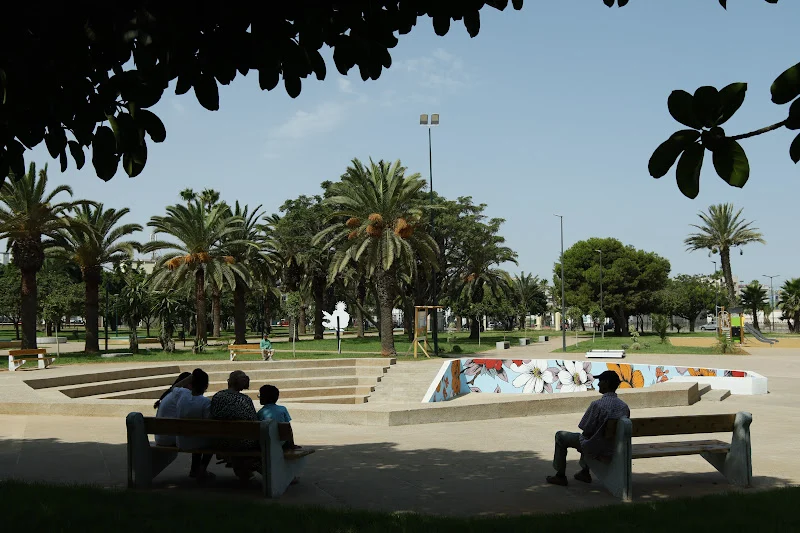
Every time another heatwave is announced, Ikram, 25, a resident of Marrakesh, worries less about the immediate discomfort of soaring temperatures and more about what Morocco’s future will look like as summers grow increasingly hotter.
“I’m anxious about how we’ll be able to survive future summers in the years to come,” she said.
For Ikram, the anxiety goes beyond the immediate discomfort of extreme heat. She describes increasingly hot summers as physically exhausting, with long commutes on non-air-conditioned buses, headaches from prolonged exposure to the sun and sleepless nights during heatwaves.
“When another heatwave begins, my sleep definitely gets disrupted, and I struggle to fall asleep, which affects my mood and productivity the next day,” she said.
But what worries her most is not the heat itself.
“I worry about our future and the future of the next generation,” she said, adding that she often thinks about wildfires, rising sea levels and vulnerable people struggling to cope with extreme temperatures.
Her concerns reflect what psychologists increasingly describe as eco-anxiety, a psychological response to climate change and environmental degradation that researchers say is becoming more common worldwide.
A growing global concern
The American Psychiatric Association defines eco-anxiety as a chronic fear of environmental catastrophe and the deep worry and sense of loss people experience in response to climate change and environmental degradation.
It can shape how people perceive the world and their future, sometimes producing feelings of anger, helplessness, despair or emotional paralysis, particularly among younger people.
UNICEF similarly describes eco-anxiety as the distress or anxiety people experience in response to climate change and environmental degradation, while emphasizing that it is generally considered a normal emotional response rather than a mental illness.
International research suggests these feelings are increasingly widespread, particularly among younger generations.
A 2021 study published in The Lancet Planetary Health, based on a survey of 10,000 young people in 10 countries, found that 59% were very or extremely worried about climate change, while 45% said those feelings negatively affected their daily lives. Three-quarters of respondents also described the future as frightening.
No major study has yet examined eco-anxiety specifically in Morocco. But the country’s increasingly frequent heatwaves, prolonged drought and recurring water shortages raise questions about whether similar concerns are emerging among Moroccans.
Morocco’s increasingly hot summers
Morocco has experienced several intense heatwaves this summer, prompting the General Directorate of Meteorology to issue repeated orange and red alerts across dozens of provinces.
In late June, temperatures of up to 46 C were forecast in southern provinces including Zagora, Tata, Assa-Zag, Boujdour, Es-Semara, and Oued Ed-Dahab. Other inland areas, including Marrakesh, Taroudant, Fquih Ben Salah, El Kelâa des Sraghna and Rehamna, were also expected to see temperatures above 40 C.
In early July, the National Agency for Water and Forests placed 20 provinces under a red alert for extreme wildfire risk, warning that soaring temperatures combined with years of persistent drought had created highly favorable conditions for forest fires.
Concerns extend beyond extreme heat
For Maryam, 22, a resident of Es-Semara, where summer temperatures frequently climb above 40 C, increasingly hot summers have forced residents to adapt their daily routines, from changing outdoor activities to adjusting their clothing and even their diets.
But beyond the heat itself, she worries about water scarcity.
“I worry more every summer because my city gets extremely hot. What worries me the most is that sometimes there isn’t enough water,” she said.
Like Ikram, Maryam said extreme heat also disrupts her sleep, with hot nights making it difficult to rest. Looking ahead, her greatest concern is for people who are most vulnerable to rising temperatures.
“What worries me the most is the health of people who can’t handle extreme heat,” she said.
For many Moroccans, the impact of repeated heatwaves appears to extend beyond physical discomfort. Some describe growing concerns about what rising temperatures could mean for their communities and the country’s future.
Oussama, 19, who lives in the Souss-Massa region, said repeated heatwaves have made him increasingly concerned about people most exposed to extreme temperatures.
“As time goes by, rising temperatures and global warming are becoming more concerning. The heat is now so intense that it’s becoming unbearable. I’m most worried about the ecosystem and people who are forced to work outside, such as construction workers, as well as homeless people,” he said.
Oussama said the heat has not dramatically changed his daily routine beyond prompting him to avoid outdoor activities during peak temperatures. But he acknowledged that climate change has become a recurring concern.
“Climate change has become a big part of my daily thoughts because it’s affecting my life and everyone else’s as part of the same ecosystem. I think serious action should be taken,” he said.
Similar concerns were expressed by Mehdi, 20, a resident of Demnate, who said rising temperatures have begun affecting both his daily life and the way he thinks about Morocco’s future.
“During heatwaves, my mood becomes messed up, and I feel lazy doing important things,” he said.
Unlike people who primarily think about extreme heat during summer, Mehdi said he follows environmental issues throughout the year.
“I’m interested in the environment, and I follow how environmental changes will affect agriculture, water resources and Moroccan people in the future,” he said.
“It makes me sad to know that officials do not care about the future of the next generations; instead, their only goal is to exploit precious resources for economic gains.”
What experts say
Clinical psychologist Nadia El Fadl previously told Hespress that continuous exposure to extreme heat can increase stress and anxiety, irritability, difficulty concentrating and mental fatigue. She also noted that sleep disturbances caused by hot weather can further affect emotional stability.
Moroccan clinical psychologist Farah Bellakhdar described eco-anxiety as “the feeling of worry, stress or fear about climate change and its effects on the environment and our future.”
She stressed that eco-anxiety is not a mental disorder but rather a normal emotional response to a real and pressing global issue.
Researchers also use eco-anxiety as an umbrella term for a range of emotions associated with climate change, including grief, sadness, anger, helplessness and frustration.
Bellakhdar said eco-anxiety can become problematic when such concerns begin to interfere with daily life.
“If it becomes very intense and starts affecting daily life, psychological support may be helpful,” Bellakhdar told Hespress English.
People experiencing eco-anxiety may report persistent worries about the future, sadness, helplessness, difficulty sleeping or concentrating and recurring thoughts about climate change, she said.
But Bellakhdar stressed the importance of distinguishing between stress caused by extreme heat and anxiety linked to climate change itself.
“If people are mainly stressed because of the heat and its immediate effects, it is more likely to be normal stress. If they are constantly worried about climate change and its long-term consequences, it may be eco-anxiety,” she said.
Morocco’s recurring heatwaves, drought and water shortages may contribute to climate-related anxiety by increasing uncertainty about the future, particularly among young people, residents of areas repeatedly affected by extreme heat and people who already experience anxiety, according to Bellakhdar.
If left unaddressed, severe eco-anxiety can affect sleep, concentration, work or academic performance, relationships and overall well-being, she said.
Bellakhdar recommends maintaining healthy routines, limiting constant exposure to distressing climate-related news, taking positive environmental action, talking openly about concerns and seeking professional support when anxiety becomes overwhelming.





add your comment
Terms of publication : Not to offend the writer, people, sacred things, or attack religions or the divine self, and refrain from racist incitement and insults.