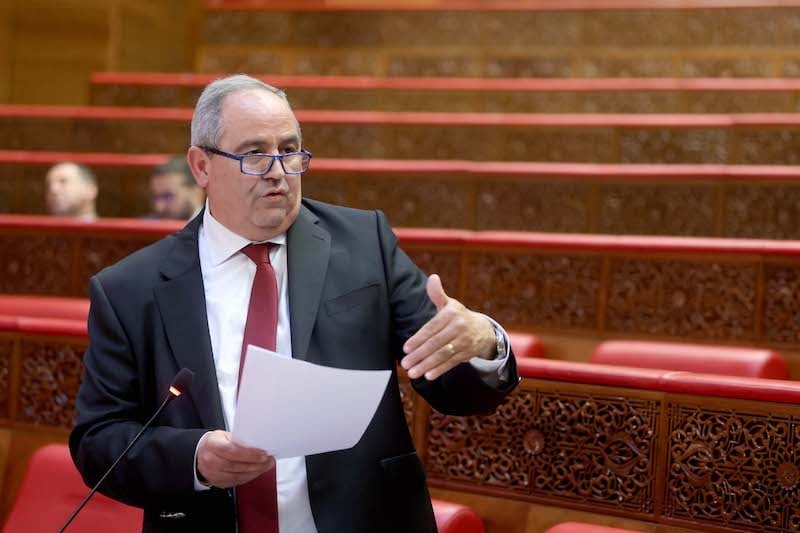
Moroccan Higher Education Minister Azeddine Midaoui announced Tuesday that discussions are underway to lower the medical school admission threshold to a score of 12 out of 20, following fluctuations in recent years.
Speaking before parliamentary councilors, Midaoui explained that the threshold, previously set at 14.85, was reduced to 12 in 2023 before rising again to 13 last year. “We are currently engaging with the deans of medical and pharmacy schools to ease access,” he said, noting a substantial increase in available seats from 20,000 to 60,000 nationwide.
The minister also cited the expansion of medical education infrastructure, with new faculties established in Laayoune, Beni Mellal, El Jadida, and Errachidia. Similar growth was reported in engineering and business schools such as the ENCG network.
On another front, Midaoui firmly rejected calls to reinstate free access to Master’s programs for public sector employees. “Universities, through their administrative councils and autonomous governance, are addressing the needs of working professionals by offering flexible schedules,” he said. Those unwilling to pay, he added, are still free to enroll in regular programs alongside full-time students.
Responding to criticism over high tuition fees — reportedly reaching 25,000 to 30,000 dirhams — Midaoui emphasized that time-flexible classes were introduced by legal mandate and are not a form of preferential treatment.
Meanwhile, Midaoui acknowledged shortcomings in academic and administrative staffing levels, which remain below international standards. However, he pointed to recent measures to boost capacity, including the engagement of around 1,000 PhD holders to teach 90 hours each over the past year.
The minister also defended new educational approaches, highlighting that not all academic fields require direct supervision or physical attendance.
Parliamentarians used the session to express concerns about the pace of reforms under the PACTE ESRI 2030 initiative, and pressed the minister on delays in promoting higher education faculty. Midaoui responded by stressing the importance of procedural fairness: “We prefer delays over exclusions, to ensure everyone benefits.”




add your comment
Terms of publication : Not to offend the writer, people, sacred things, or attack religions or the divine self, and refrain from racist incitement and insults.