
A wave of disciplinary measures may soon hit several local council presidents across Morocco, as provincial governors and regional administrators begin reviewing potential applications of Article 64 of the Organizational Law on Local Authorities, amid mounting suspicions of illicit collusion with powerful real estate developers.
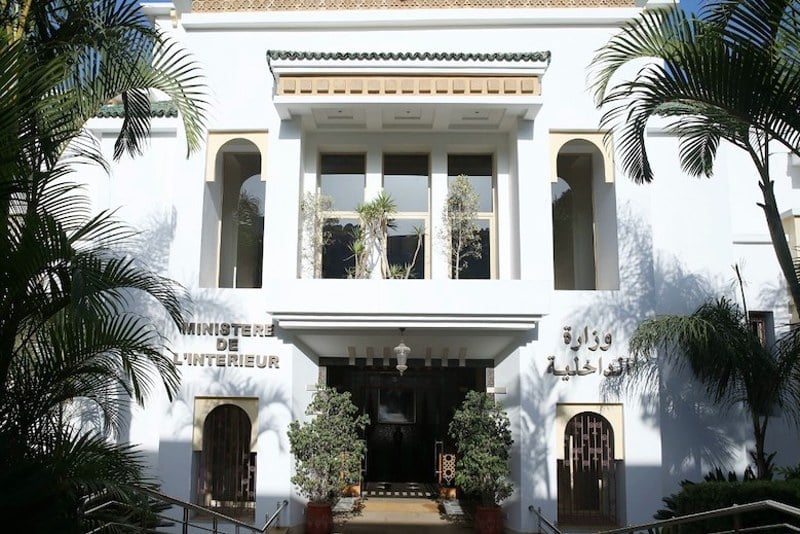
According to well-informed sources who spoke to Hespress AR, instructions from the Ministry of Interior’s central administration have prompted urgent assessments of cases involving local council heads allegedly complicit in enabling developers to exert disproportionate influence over elected councils.
These developers, often referred to as “real estate lobbies,” are said to have manipulated internal council dynamics, shaping decisions to serve their financial interests.
Field reports from local administrative departments—particularly public affairs sections—have documented questionable alignments between majority and opposition factions, brokered by developers whose direct business interests are tied to municipal decisions.
Several reports also suggest financial entanglements between suspicious companies and elected officials, including evidence of irregular bank transfers and forged signatures between company managers and landowners.
The misconduct is reported to extend into dubious land expropriation petitions. These petitions, filed by developers in coordination with municipal officials, have targeted public land previously designated for infrastructure projects in outdated urban development plans.
Using Article 28 of Law 12.90 on Urban Planning, developers have sought to reclaim such land under the guise of inaction, leveraging the 10-year statutory lapse to pressure landowners into undervalued sales.
Investigations have especially highlighted cases in the outskirts of Casablanca, where mayors allegedly colluded with developers to divert infrastructure investments—such as public lighting, roads, and utility connections—toward private developments.
These areas, often reclassified under amended zoning plans into industrial or residential zones, saw sharp spikes in land value, benefitting the developers ahead of market launches.
Further allegations involve land-for-favor schemes, where municipal leaders reportedly forced developers to allocate premium plots in strategic locations. These were later developed by companies linked to the officials’ relatives and sold under Morocco’s direct housing aid program.
Sources also cited instances of land reservation withdrawals, where officials profited from resale commissions ranging between 100,000 and 200,000 MAD per lot.
The possible activation of Article 64, which allows the Ministry of Interior to propose dismissal of mayors for serious misconduct subject to administrative and judicial review, signals a hardening stance against corruption and influence-peddling in urban governance.
Authorities are expected to intensify oversight in the coming weeks, with potential legal and administrative proceedings looming for those found in breach of public trust.









add your comment
Terms of publication : Not to offend the writer, people, sacred things, or attack religions or the divine self, and refrain from racist incitement and insults.