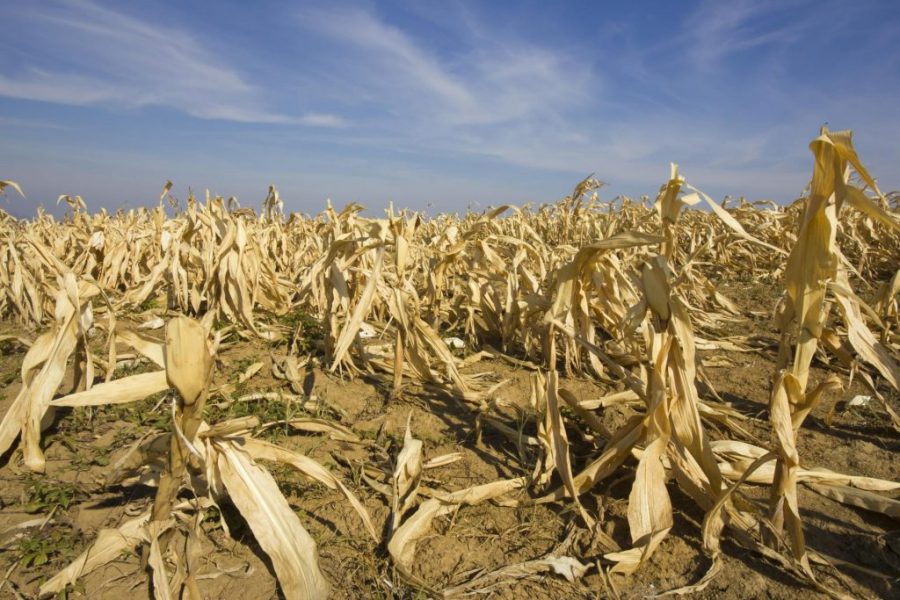
Despite recent heavy rains and snowfall that signaled the end of a prolonged drought, Morocco remains vulnerable to a renewed water crisis that could destabilize its agriculture-based economy, according to a report by the Middle East Institute (MEI).
The report notes that from late February through March 27, Morocco experienced more than 130% of its seasonal average rainfall. This surge boosted dam reserves significantly—though they still stood at only 37.84% of total capacity, with stark regional disparities. While northern reservoirs exceeded 50%, some southern basins remained below 20%.
Although this short-term reprieve brings hope, MEI stresses that Morocco—ranked by the World Resources Institute as a country under high water stress—faces deep structural challenges that require long-term solutions.
Climate Volatility Threatens Economic Stability
The report recalls that Morocco endured years of drought beginning in 2018, severely impacting the agricultural sector, which accounts for one-sixth of the national economy. With just 20% of agricultural land irrigated, the sector is largely rain-dependent, making it highly susceptible to climate variability. Droughts in recent years have led to a 7% drop in GDP and contributed to livestock deaths and wheat production losses.
As a result, the government extended its wheat import support program through 2025 to meet local demand.
Encouragingly, recent weather conditions have sparked optimism, with forecasts suggesting a 4.5% increase in agricultural GDP and 3.6% overall economic growth in 2025. This outlook is partly based on the anticipated transition from the dry “El Niño” weather pattern to the wetter “La Niña,” which could extend rainfall through spring.
Structural Water Challenges Persist
Despite the replenishment of some reservoirs, MEI cautions that Morocco’s food security remains fragile. The report emphasizes that increased rainfall alone does not solve the country’s chronic vulnerability to drought, given its naturally arid geography.
Long-term water scarcity, it argues, must be addressed through comprehensive strategies that go beyond reliance on seasonal rains. These should include sustainable water management, greater investment in irrigation infrastructure, and climate adaptation initiatives.
Short-Term Gains, Long-Term Risks
The report concludes by warning that Morocco must balance the short-term benefits of improved rainfall with the urgent need for climate resilience. While forecasts for 2025 are positive, the MEI stresses that without robust investment in water governance and adaptive strategies, the threat of drought could return—jeopardizing economic stability and undermining progress in agricultural development.
As Morocco navigates this delicate balance, the message is clear: only sustained, long-term action can safeguard its agricultural sector against an increasingly uncertain climate.



add your comment
Terms of publication : Not to offend the writer, people, sacred things, or attack religions or the divine self, and refrain from racist incitement and insults.