
Morocco placed 32nd out of 42 African nations in the 2025 African Women Inclusion Index, published by the African Center for Economic Transformation, revealing persistent gender disparities despite some progress.
While Morocco’s score has improved by 14 points since 2017, it remains below the African average of 53.5 points, earning a total of 44.2 points in the index. The ranking evaluates four key areas, with Morocco performing best in legal and regulatory policies at 68 points. However, its performance in leadership roles stood at 45 points, while financial inclusion reached only 35.5 points.
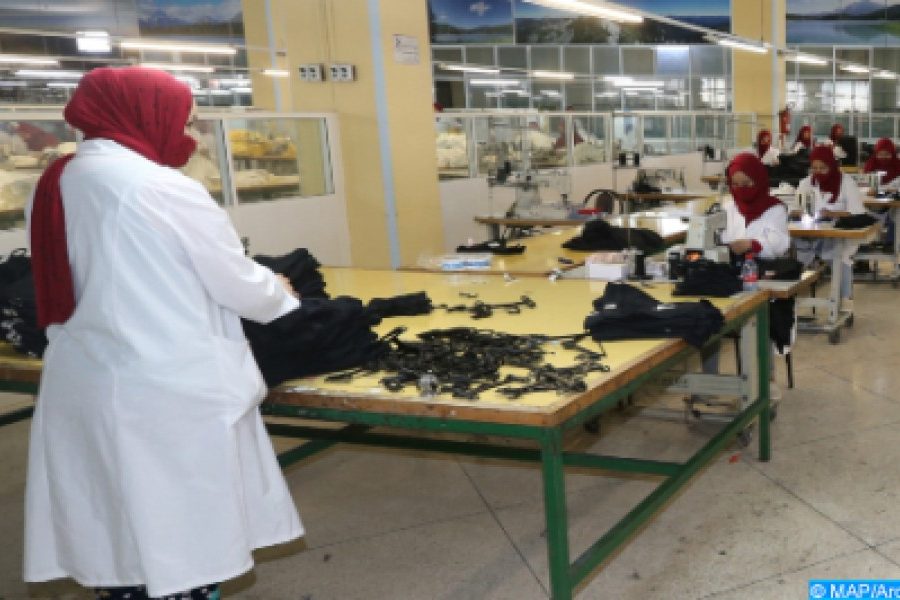
The most concerning indicator remains economic participation, where Morocco scored just 27.7 points, underscoring the significant obstacles women face in accessing economic opportunities.
At the continental level, South Africa led the rankings with 86.4 points, followed by Namibia and Kenya. In contrast, Algeria, Egypt, and Niger ranked at the bottom. West African nations largely occupied mid-range positions, with Morocco lagging despite recent improvements.
The report acknowledges Morocco’s legal reforms aimed at increasing women’s political participation, particularly through gender equality initiatives. The country’s removal of most reservations on the Convention on the Elimination of All Forms of Discrimination Against Women (CEDAW) also signals a commitment to international women’s rights standards.
However, structural challenges persist, as women continue to face barriers in economic and financial sectors. Across Africa, women hold only 22% of parliamentary seats and a mere 7% of executive leadership roles. If progress continues at its current pace, full gender inclusion may not be achieved until 2093.
The report recommends several measures to accelerate women’s inclusion, including improving data collection on gender disparities, integrating gender-focused policies into economic planning, and addressing societal norms that hinder women’s empowerment. It also highlights the crucial role of religious and traditional leaders in reshaping perceptions and advocating for greater female participation in decision-making and economic activities.
For Morocco, overcoming these challenges requires stronger institutional commitment and policy implementation to ensure women’s full participation in shaping the country’s future.






add your comment
Terms of publication : Not to offend the writer, people, sacred things, or attack religions or the divine self, and refrain from racist incitement and insults.