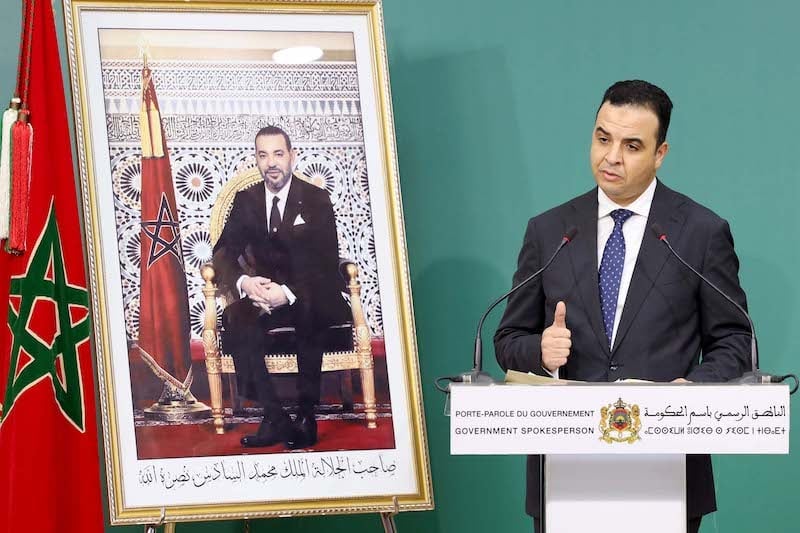
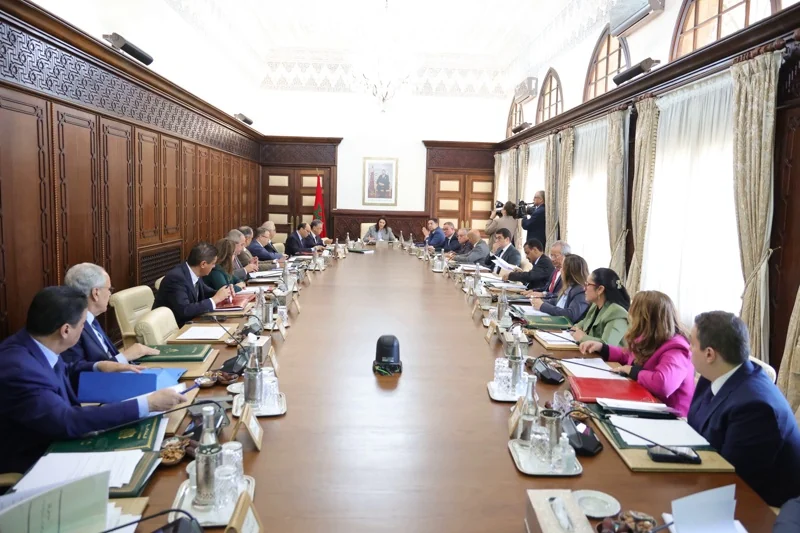
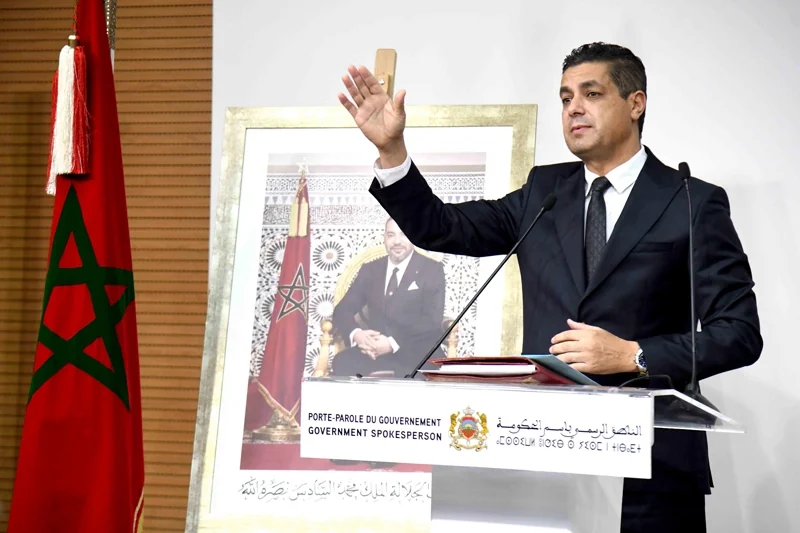
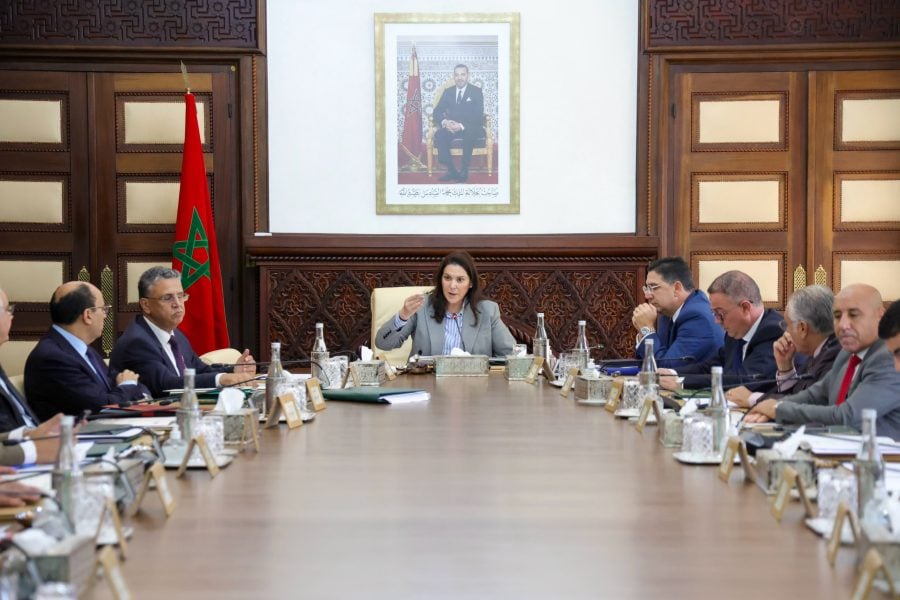
The Moroccan government has allocated 14 billion dirhams to employment programs in the 2025 Finance Law, marking an unprecedented initiative aimed at boosting job creation, according to government spokesperson Mustapha Baitas. Speaking at a press briefing following the weekly government council meeting on Thursday, Baitas emphasized that the institutional framework for this plan is now firmly established, with ongoing discussions to finalize an urgent action roadmap.
Baitas recalled that during the mid-term review of the government’s performance, Prime Minister Aziz Akhannouch pledged to prioritize employment for the remainder of the government’s term. Since then, consultations have been underway with various stakeholders and ministries to unify a comprehensive employment strategy, which was presented by Younes Sekkouri, Minister of Economic Inclusion, Small Enterprises, Employment, and Skills.
The government’s employment plan comes amid signs of a declining unemployment rate in Morocco, Baitas noted, highlighting the crucial role of rural areas and agriculture as primary employment sectors. He also underscored the impact of Morocco’s broader social reforms on the labor market, particularly through social assistance programs.
Regarding fiscal management, Baitas stressed the government’s commitment to expediting budget clearance laws while reducing processing times. Despite global economic turbulence in 2023, he noted that Morocco’s economy demonstrated resilience, achieving a growth rate of 3.4% compared to 1.5% in 2022.
This growth was primarily driven by a 3.5% expansion in non-agricultural sectors and a modest 1.4% increase in agricultural output. The government also managed to reduce the budget deficit to 4.4%—slightly better than the projected 4.5% in the Finance Law—while maintaining tighter control over expenditures.
Baitas emphasized that every percentage point reduction in the deficit saves Morocco approximately 13 billion dirhams, reinforcing the government’s commitment to fiscal discipline.
The spokesperson also highlighted positive outcomes in revenue collection, noting a 13.4 billion dirham increase in tax revenues compared to 2022. This growth, driven by ongoing tax reforms, resulted in a 5.13% revenue increase and a tax collection performance rate of 103.8%.
As Morocco moves forward with these initiatives, the government aims to strengthen economic resilience, promote job creation, and maintain fiscal stability in the face of evolving global and domestic challenges.



add your comment
Terms of publication : Not to offend the writer, people, sacred things, or attack religions or the divine self, and refrain from racist incitement and insults.