
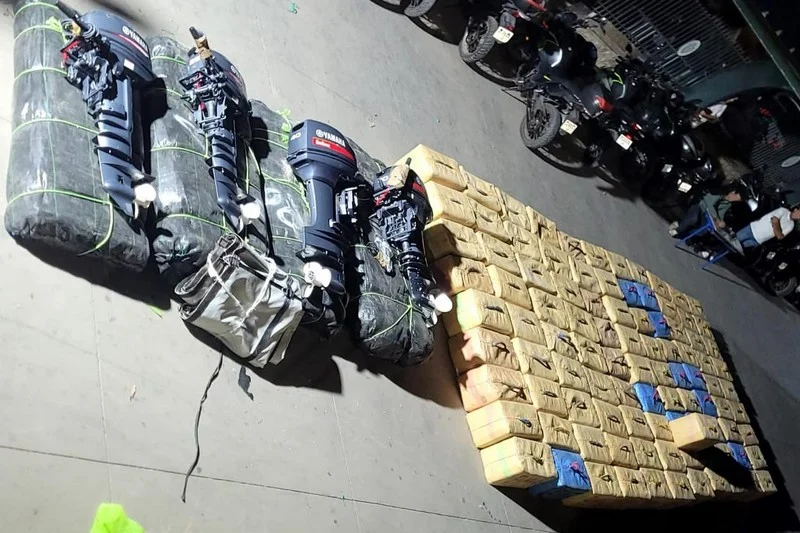
The Spanish Civil Guard announced on Thursday the seizure of over two tons of hashish during an operation on the northern coast of Tenerife, in the Canary Islands, thanks to precise intelligence provided by Morocco’s General Directorate of Territorial Surveillance (DGST).
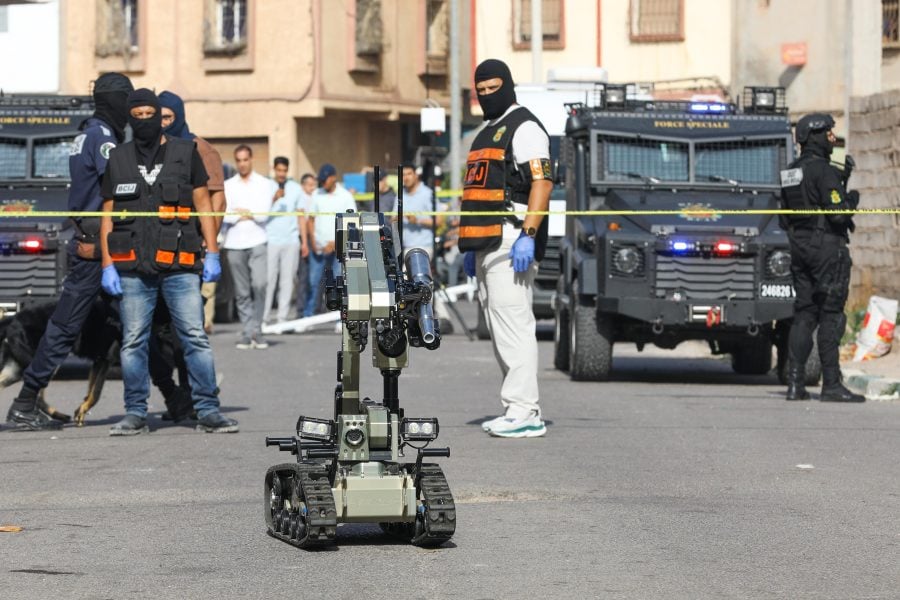
This operation was carried out after the Civil Guard was alerted by the DGST about the possible arrival of a boat carrying a significant quantity of hashish on the Spanish coast.
The operation led to the seizure of 53 bales of drugs, with an overall weight of 2,075 kg, and the arrest of six individuals caught red-handed while unloading the cargo on the coast of Garachico, according to a press release from the Spanish Civil Guard.
The operation also resulted in the seizure of five mobile phones and various documents, according to the same source.
The arrested individuals are being prosecuted for offenses related to public health and membership in a criminal organization, the Spanish Civil Guard noted.




add your comment
Terms of publication : Not to offend the writer, people, sacred things, or attack religions or the divine self, and refrain from racist incitement and insults.