
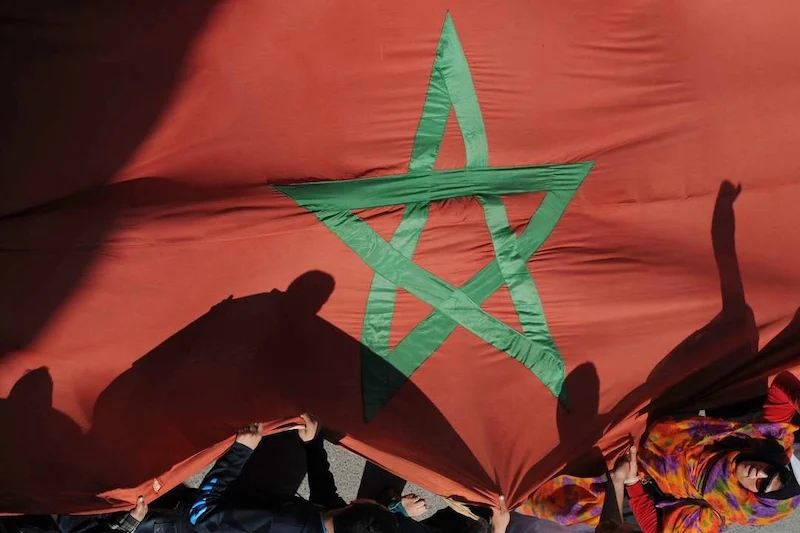
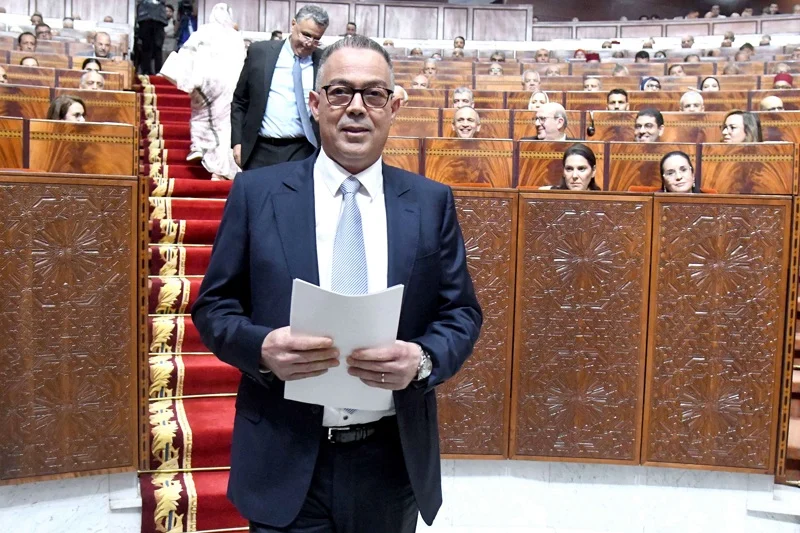
One of the key topics emerging from this renewed collaboration is the potential establishment of a new trade route linking Morocco’s Smara region to Mauritania. This idea, recently raised in a parliamentary appeal to Morocco’s Prime Minister and Minister of Foreign Affairs, is expected to unlock significant developmental opportunities and advance Morocco’s strategic goals in Africa.
However, the proposal has provoked sharp criticism and threats from the Polisario Front. In a statement by Bachir Mustafa Sayed, a senior Polisario figure and brother of its founder, the separatist group warned of potential armed conflict should the trade route materialize. Sayed accused Morocco of seeking to consolidate its territorial claims in the Sahara through this initiative and urged Mauritania to resist the move, framing it as a threat to regional peace.
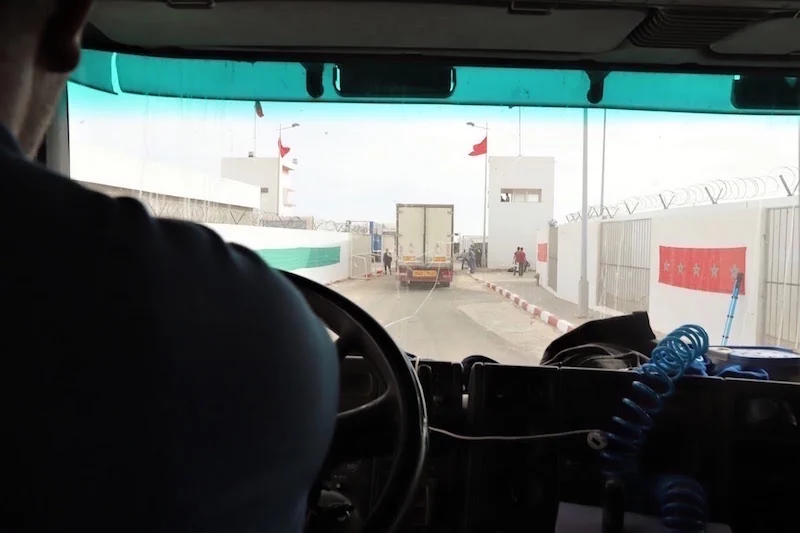
Despite these aggressive statements, analysts describe the Polisario’s rhetoric as largely symbolic. Mohammed El-Ghaith Maalainin, a member of the International Center for Diplomacy and Civilizational Dialogue, noted that the group’s claims are “mere bluster.” He explained that Morocco and Mauritania have effectively managed their shared border since the Moroccan army secured the Guerguerat crossing in November 2020, curbing Polisario incursions.
Maalainin further elaborated that the creation of additional trade routes between the two countries is unlikely to face political obstacles. Instead, technical and economic considerations will determine its feasibility. He pointed out that the Mauritanian army has already established a strong presence in the Bir Moghrein area, previously exploited by Polisario militants, reflecting Nouakchott’s commitment to maintaining sovereignty over its territory.
Such a trade route, Maalainin added, could pave the way for expanded links to Mali and Niger, reinforcing Morocco’s broader African Atlantic initiative. This initiative seeks to promote sustainable development in the Sahel region, countering destabilizing influences from Algeria, which continues to back the Polisario.
Said Berknan, a political analyst, emphasized that Mauritania’s growing alignment with Morocco reflects a pragmatic approach that prioritizes economic cooperation over political disputes. He noted that Mauritania has managed to balance its position on the Sahara conflict, maintaining a stance of “positive neutrality” while actively participating in Morocco-led initiatives such as the Nigeria-Morocco gas pipeline.
Berknan explained that Mauritania’s openness to establishing new trade routes with Morocco aligns with its broader strategy of regional integration. This policy aims to leverage Morocco’s economic leadership to foster development across West Africa and the Sahel.
For Morocco, expanding trade routes with Mauritania holds both economic and geopolitical significance. It strengthens Morocco’s role as a gateway between Africa and Europe and bolsters its influence within the continent. For Mauritania, deeper economic ties with Morocco represent an opportunity to enhance its infrastructure and access Atlantic markets, advancing its long-term development goals.
Despite the Polisario’s threats, analysts agree that Mauritania is unlikely to succumb to external pressure, particularly given the tangible benefits of closer cooperation with Morocco. As Berknan concluded, “The Polisario’s rhetoric ignores the realities of state sovereignty and fails to acknowledge Mauritania’s right to pursue its own economic interests. The Morocco-Mauritania partnership reflects a mutually beneficial vision, rooted in shared development goals and a commitment to regional stability.”
With plans for the trade route still under discussion, it remains a symbol of the growing strategic partnership between Morocco and Mauritania, paving the way for enhanced collaboration across Africa.


add your comment
Terms of publication : Not to offend the writer, people, sacred things, or attack religions or the divine self, and refrain from racist incitement and insults.