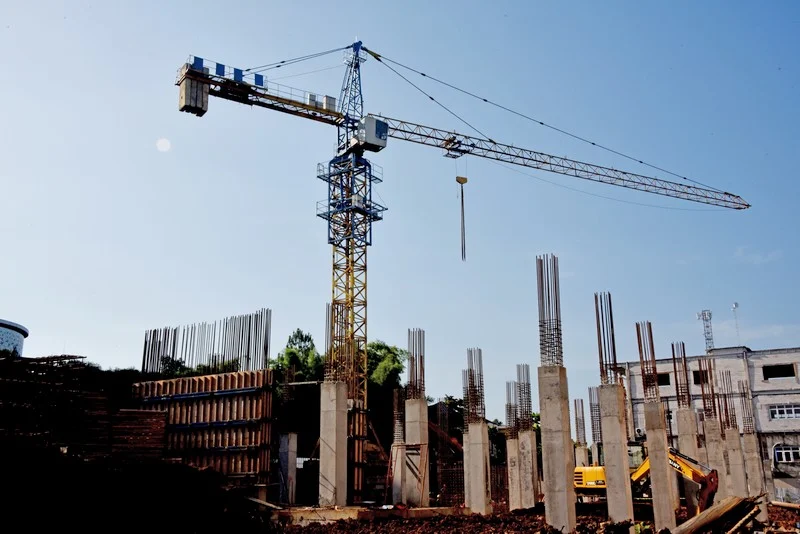
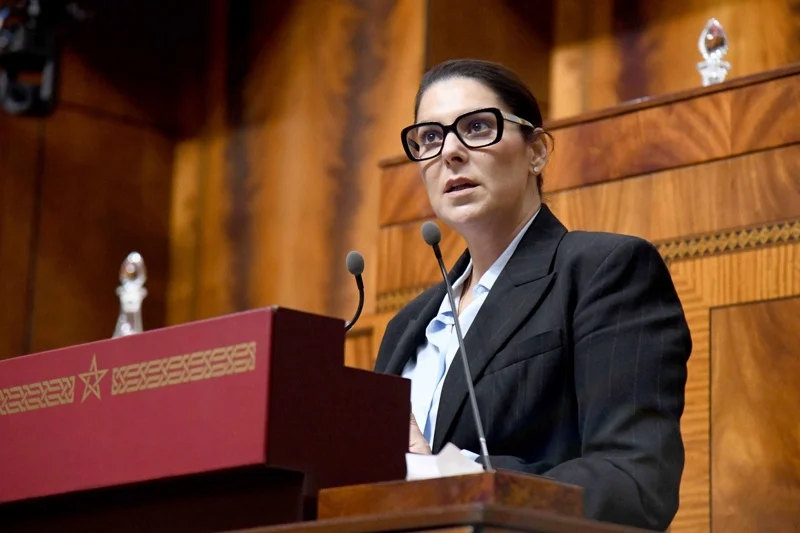
“The 2024 target for the housing aid program has been exceeded,” announced Fatima Zahra Mansouri, Minister of National Land Planning, Urbanism, Housing, and City Policy, with “75,000 housing units supported, including both direct aid and social housing.”
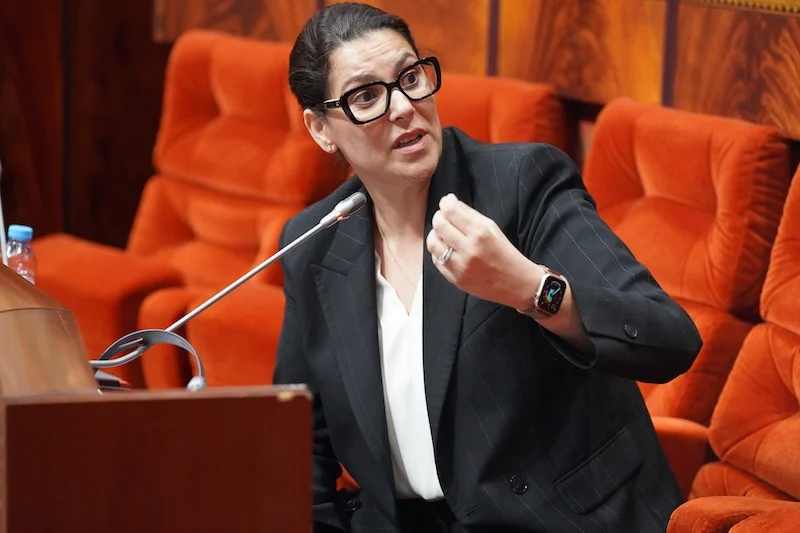
During a parliamentary session on Monday, in response to two questions, Mansouri reflected on the progress made one year after the launch of the housing aid program in early January 2024, noting that “94,000 housing units have been supported, which is 125% of the first-year target.”
Regarding the generalization of this program, which extends from 2024 to 2028, the minister highlighted that “the program is now benefiting cities that had not received enough support in the past (under previous programs), including Fes, Settat, Jadida, Benslimane, Oujda, Berkane, and Taza.”
She also pointed out that the annual housing production for low- and middle-income families has reached 113,000 units, including “self-built housing.”
Mansouri highlighted the importance of “involving the private sector, especially small and medium-sized businesses,” pointing to what she described as “positive results since January 2024, both socially and economically.”
Socially, she mentioned that “the number of citizens seeking to benefit from the direct housing said program has exceeded 110,000, with over 35,000 already benefiting, 26% of whom are Moroccan expatriates.”
The Minister also reported that after one year of this program, “32% of the beneficiaries were young people,” confirming that “63% received financial support of 70,000 MAD, while 37% received 100,000 MAD in support.”
On the economic front, Mansouri highlighted the program’s role in boosting the construction sector, noting a “9.45% increase in cement sales, a 1.7% rise in housing loans, and a 7.2% growth in loans to real estate developers.”
She also noted that by November 2024, “around 727,000 housing units had been completed and received compliance certificates under the 250,000-MAD social housing program, with 680,000 units already delivered.”
The Minister added that “approximately 30,000 housing units had been completed and received compliance certificates under the 140,000-MAD low-cost housing program,” which is part of earlier initiatives that started in 2002.
In a different vein, Mansouri pointed out that the Cities Without Slums program is set to launch soon in Benslimane, which will host the largest stadiums for the 2030 World Cup, benefiting around 7,000 families. The program will also start in Marrakesh in February, with the “call for interest in Marrakesh targeting about 30,000 families.”
The minister explained that to ensure greater effectiveness and speed in implementing the program, a new approach has been adopted through the “2024-2028 five-year plan,” which aims to assist around 120,000 families in total.
She continued, “this will be achieved through “rehousing scheme and private sector involvement, as well as by mobilizing apartments from real estate developers through calls for expressions of interest (Appel à manifestation d’intérêt). The housing aid program will also serve as an extra financing tool for residents of slum housing.”
Regarding the latest updates on the program, the minister stated that for the “Greater Casablanca” area, which is home to 50% of the country’s slum-dwelling families, “an agreement was signed in July 2024 to rehouse 62,000 affected families.”
She noted that “so far, 2,600 families have been rehoused, and 6,500 families will benefit from ready-to-occupy housing units. The remaining families will be accommodated in units that are either under construction or in the planning stages.”
In the Skhirat-Témara province, “out of 33,300 families under contract, 22,643 families have benefited, with 10,357 still underway.”
Mansouri highlighted “the efforts of the Ministry in collaboration with the Ministry of the Interior and all relevant sectors and local councils, which have resulted in a 163% increase in the pace of improving living conditions for those benefiting from Cities Without Slums program
The Minister concluded that “Morocco has raised its annual average from 6,200 families between 2018 and 2021 to 18,255 families during the current government term,” highlighting “ongoing efforts to tackle slum housing through other programs in cities like Guercif, Smara, and others.”




add your comment
Terms of publication : Not to offend the writer, people, sacred things, or attack religions or the divine self, and refrain from racist incitement and insults.