This phone call follows more than a decade of strained relations between the two countries. In 2012, Morocco severed diplomatic ties with Syria in response to the violent crackdown by the Syrian regime on anti-government protests that began in 2011, which later escalated into a full-scale civil war.
Morocco also closed its embassy in Damascus and expelled Syrian diplomats from Rabat, partly due to Syria’s support for the Polisario Front.
Since then, Morocco has maintained a cautious position on Syria, supporting the country’s territorial integrity while refraining from direct involvement in the Syrian conflict.
Morocco’s approach has been rooted in the belief that Syria’s future stability should be determined internally, without foreign interference, a cautious, yet constructive, approach reflecting Morocco’s broader foreign policy priorities: the preservation of regional stability, respect for national sovereignty, and a commitment to Arab unity.
Despite criticism of the Assad regime’s handling of the uprising, Morocco has sought ways to help stabilize the region without getting entangled in the internal politics of Syria. This is evident in Morocco’s call for Syria’s return to the Arab League—not as a way to legitimize the regime, but as a means of reducing foreign influence and promoting internal reconciliation within Syria.
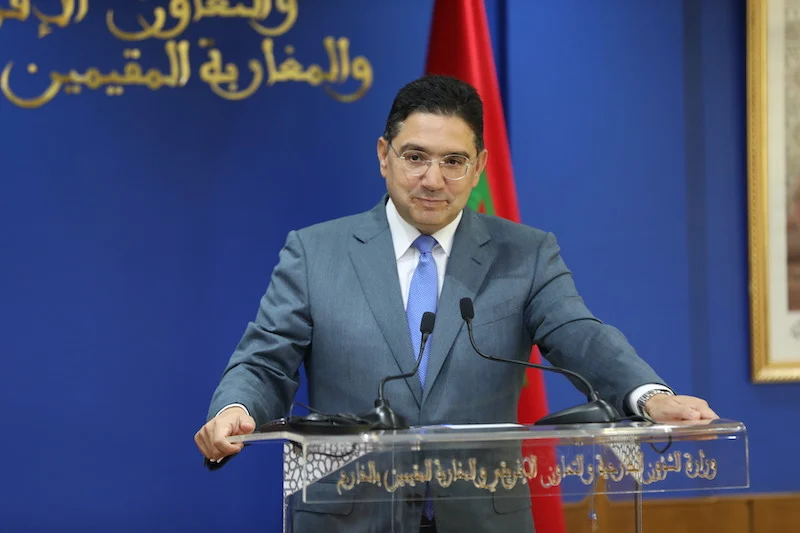
Earlier in December, Bourita said the Kingdom was closely following “the accelerated and significant developments in the situation in Syria,” after the fall of the Assad regime.
The Moroccan foreign minister said that Morocco’s position regarding Syria, in line with the directives of King Mohammed VI, “has always been clear, concerning the preservation of territorial integrity, national sovereignty, and the unity of the Syrian people. This has been and will remain the consistent position of the Kingdom of Morocco.”
The phone call also comes amid broader regional developments, where Arab countries, including the Gulf states, have expressed support for Syria’s new administration. Syria’s leader, Ahmed al-Sharaa who led the rebel group Hayat Tahrir al-Sham has engaged with regional and international officials in recent weeks.
Adopting a more conciliatory stance, al-Sharaa has emphasized political inclusion, rejected extremism, and called for a focus on economic development and reconstruction.





add your comment
Terms of publication : Not to offend the writer, people, sacred things, or attack religions or the divine self, and refrain from racist incitement and insults.