
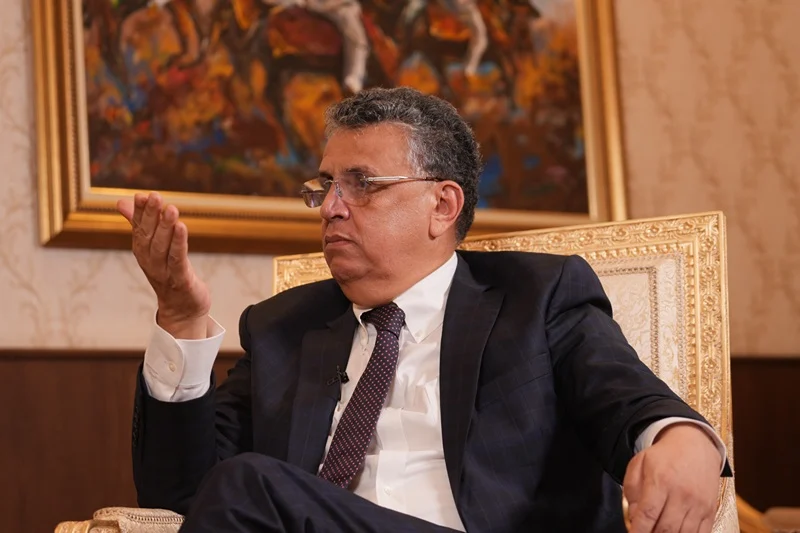
Justice Minister Abdelatif Ouahbi revealed key proposed amendments to Morocco’s Family Code during a press conference on Tuesday.
The changes, discussed in a royal working session on Monday, are based on recommendations from the review committee and the legal opinion of the Higher Council of Ulema.
Ouahbi said the committee submitted 139 proposed amendments across all seven sections of the Family Code. The reforms aim to address shortcomings in the code and align it with social changes and international agreements.
Key Proposed Changes:
- The reform proposes requiring a wife’s consent on polygamy when signing the marriage contract. If a wife stipulates a prohibition on polygamy, her husband would not be allowed to marry another woman. If no such condition is made, polygamy would only be permitted in exceptional cases, such as infertility or a condition preventing marital relations, subject to judicial approval.
- The amendments grant both spouses shared legal guardianship, with disputes to be settled by a family judge. Custody would be a shared right during marriage, with the possibility of extending it after divorce if both parties agree. The reforms also strengthen divorced mothers’ rights to custody and housing for their children.
- On inheritance, the reforms propose allowing gifts to female heirs during their lifetime, recognizing legal possession as sufficient.
- The legal age for marriage would be set at 18, with a 17-year-old exception only under strict conditions. Enhanced judicial oversight would ensure exceptions remain rare.
- The amendments would allow formal documentation of engagement and recognize marriage through the contract alone. They also include provisions for individuals with disabilities to marry and revise administrative procedures for registering marriages. Moroccans abroad could marry without Muslim witnesses if necessary.
- The time to resolve divorce cases would be capped at six months, and electronic means would be introduced for documenting contracts and delivering judicial decisions. New mediation bodies would help resolve family disputes before going to court.
Ouahbi announced that King Mohammed VI praised the committee’s work for its competence and objectivity.
The King also commended the Higher Council of Ulema’s legal opinion, reaffirming his position that no one, including the monarch, can alter religious law.
The Justice Minister emphasized that the amendments aim to address the code’s shortcomings and meet Morocco’s evolving social and legal needs.
The reform’s goal is to create a Family Code that supports women’s rights, protects children, and preserves the dignity of men, in line with the royal message.








add your comment
Terms of publication : Not to offend the writer, people, sacred things, or attack religions or the divine self, and refrain from racist incitement and insults.