
Morocco is expanding its production of cannabis-based food products, with new items such as chocolate, coffee, and flour set to enter the market soon.
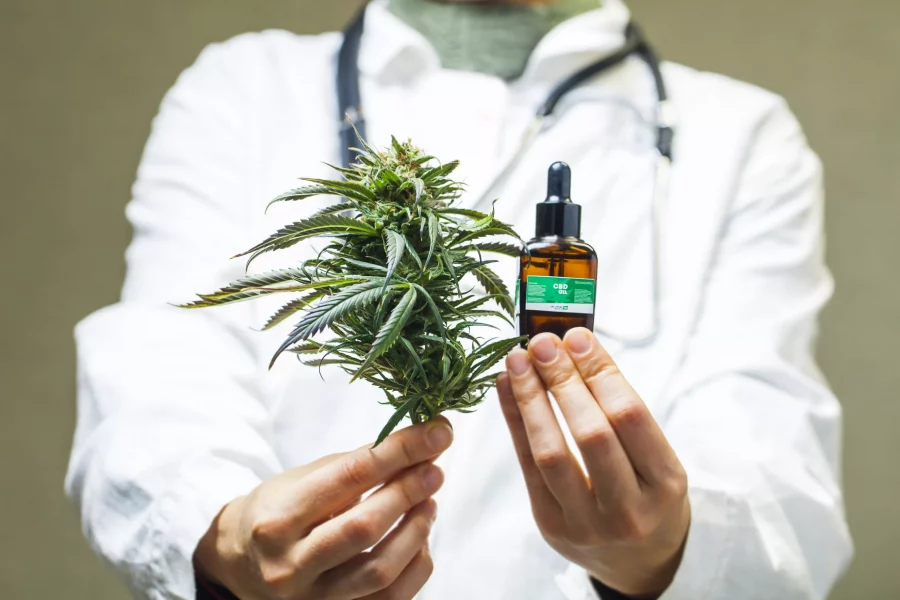
These products are being made primarily from CBD (cannabidiol), the non-psychoactive compound of cannabis, marking an important shift toward expanding the legal cannabis industry in the country.
The development follows the recent approval of 12 new cannabis-based dietary supplements, bringing the total number of such products on the market to 21.
Sources from the National Agency for Cannabis told Hespress these new dietary supplements will be added to the 9 previously authorized since April.
This indicates a growing sector of legal cannabis products made in Morocco, which is now making its way into both local and international markets.
In line with this momentum, Morocco is also expanding its international footprint. Recently, 10 cannabis-based products were registered in France and Germany, with efforts underway to enter markets in Poland, Belgium, and Africa.
These global registrations are helping position Moroccan cannabis products in the competitive international market, with a particular focus on pharmaceuticals and consumer goods.
Alongside these developments, Morocco’s cannabis industry is also seeing innovations in medical products. A Moroccan company has created the country’s first cannabis-derived medication for epilepsy, set to be marketed soon.
Meanwhile, four other companies are advancing in the production of pharmaceutical cannabis, further solidifying Morocco’s position in the global medical cannabis sector.
The cultivation of “municipal” cannabis, which makes up about two-thirds of the cannabis grown in Morocco this year, continues to dominate, with much of it directed toward pharmaceutical and medical applications.
This contrasts with cannabis grown from imported seeds, which is mainly used for industrial purposes.
To ensure the quality and safety of these products, producers must meet rigorous standards set by the National Agency for the Regulation of Cannabis-Related Activities.
This includes obtaining certifications like Good Agricultural Practices (GAP) and subjecting products to thorough testing in accredited laboratories to verify their content.
The legal cannabis sector has also seen a remarkable expansion in recent years. Over 2,500 hectares were cultivated this season, compared to just 286 hectares last year, while the number of licensed cooperatives has surged to 170, up from 32 last year.
Likewise, the number of licensed farmers has increased to 2,700, compared to only 430 last year, demonstrating the sector’s growing influence on Morocco’s agricultural and economic landscape.
With new products emerging, international markets opening, and regulatory frameworks advancing, Morocco is poised to become a key player in the global cannabis industry, both for medicinal and consumer applications.






add your comment
Terms of publication : Not to offend the writer, people, sacred things, or attack religions or the divine self, and refrain from racist incitement and insults.