
Morocco’s dam reservoirs have reached 28.90% capacity, holding 4.867 billion cubic meters of water, marking an improvement of 1 billion cubic meters compared to the same period last year.
According to government data, the Ziz-Khris-Ghris basin recorded the highest filling rate at 56.91%, followed by the Loukkos basin at 46.51% and the Tensift basin at 45.49%. However, many basins remain critically low, including the Souss-Massa basin at 17.20% and the Oum Er-Rbia basin, which hit a historic low of 5.12%.
The Al Wahda dam, Morocco’s largest reservoir, is currently at 41.7%, holding 1.468 billion cubic meters. In contrast, the Al Massira dam, which has a capacity of over 1.5 billion cubic meters, is at a critically low 1.6%.
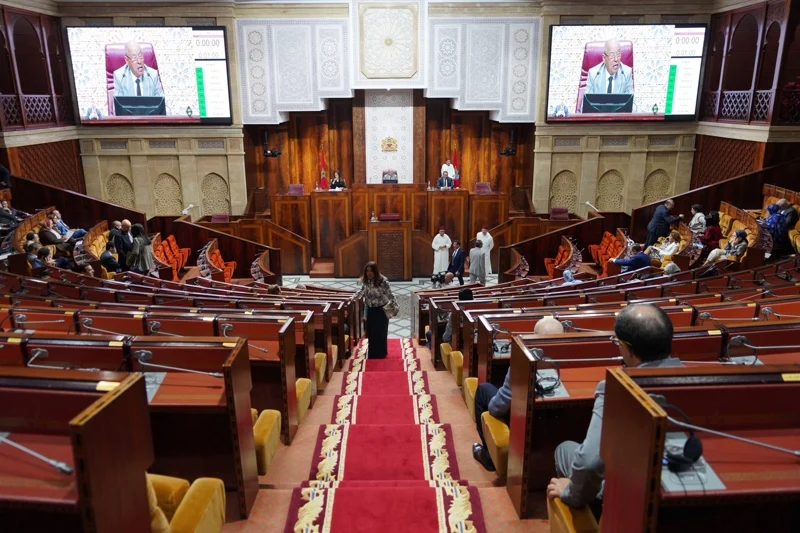
Minister of Equipment and Water Nizar Baraka told Parliament that rainfall has improved since September, averaging 50 millimeters compared to 27 millimeters in 2023. Despite this, rainfall levels remain 65% below average, and water scarcity continues to challenge the country.
Baraka reported that overall dam capacity rose to 29.13%, up from 23.70% a year ago.
Irrigation remains heavily affected, with only 713 million cubic meters allocated for agriculture this season, down from 900 million cubic meters last year. Key agricultural areas such as Doukkala and Souss-Massa have halted irrigation entirely, awaiting improved dam levels, said Agriculture Minister Ahmed Bouari.
While some basins show improvement, experts and government officials warn that Morocco must accelerate efforts to address its water crisis. Investments in infrastructure, sustainable water use, and increased rainfall are critical to ensuring long-term water security.




add your comment
Terms of publication : Not to offend the writer, people, sacred things, or attack religions or the divine self, and refrain from racist incitement and insults.