
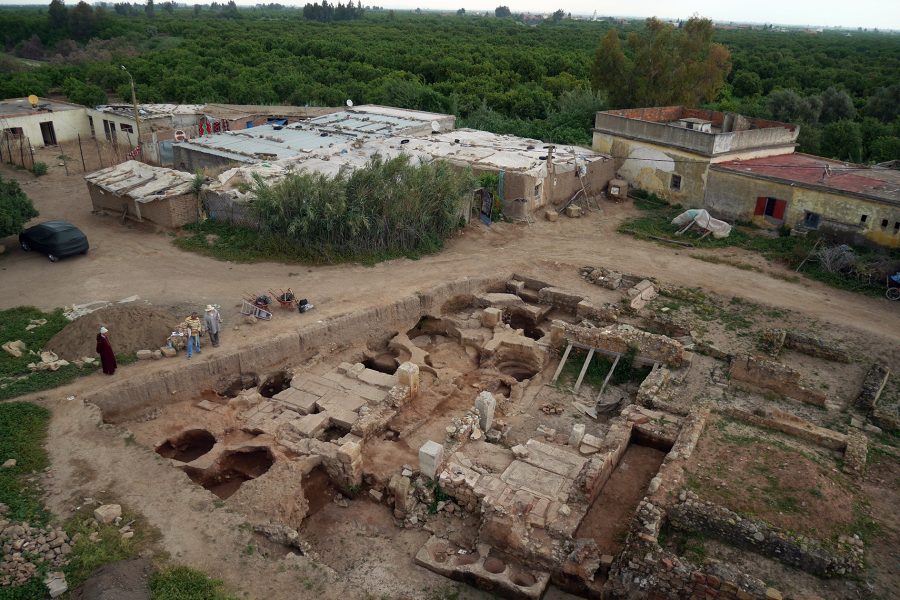
An international team has uncovered archaeological evidence of the earliest known medicinal use of plants in the Pigeon Cave at Taforalt, located in Morocco’s Oriental region, as announced by the National Institute of Archaeology and Heritage (INSAP).
This discovery dates back 15,000 years and has been detailed in a publication by the prestigious journal Nature.
The plants identified belong to the Ephedra species, with their fruits found in an area of the cave designated for burials according to specific rites common among Stone Age communities, particularly between 22,000 and 7,000 years ago.
The statement indicates that this plant possesses various properties, likely used for stopping hemorrhages and alleviating pain.
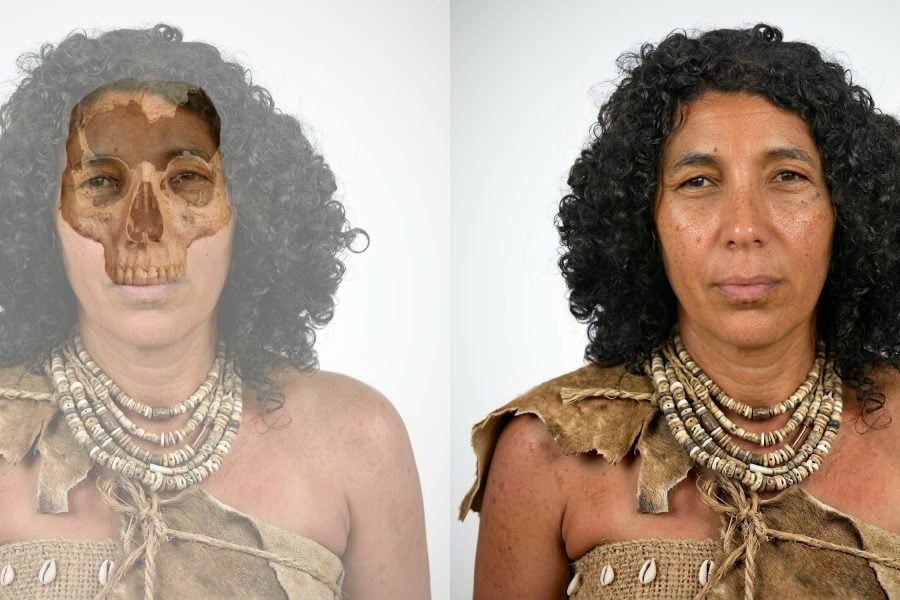
Earlier research in the cave revealed a human skull exhibiting signs of trepanation—an ancient surgical procedure—dated to 15,000 years ago, considered the oldest of its kind. The healing of the trepanation site suggests the individual survived, potentially aided by these plants.
Additionally, evidence shows that these Stone Age groups practiced dental avulsion as a rite of passage. The team included researchers from INSAP, the University of Las Palmas, and the Natural History Museum in London, among others, as part of a collaborative research program.





add your comment
Terms of publication : Not to offend the writer, people, sacred things, or attack religions or the divine self, and refrain from racist incitement and insults.