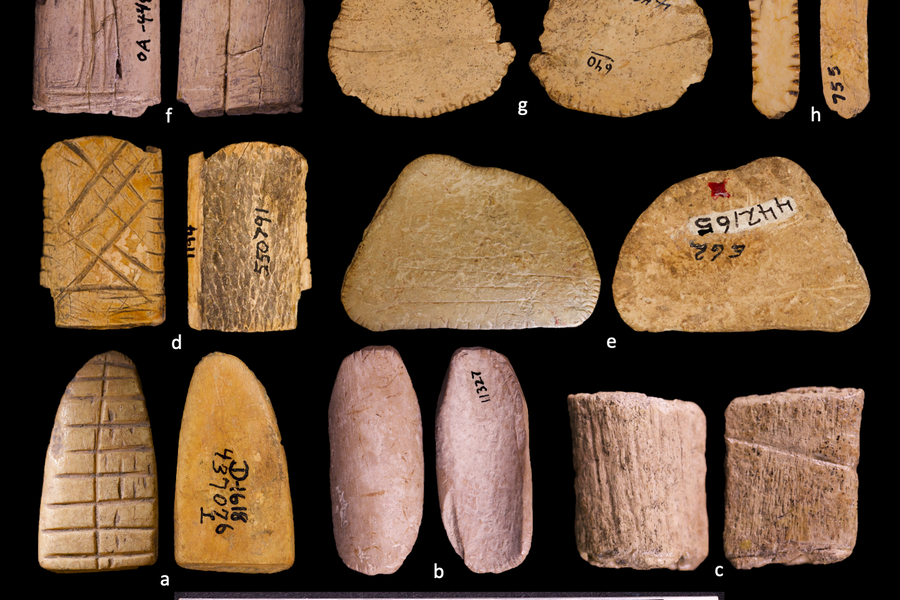
Archaeologists have identified what may be the oldest known dice and traced a continuous record of chance based gaming in North America back at least 12,000 years, according to a new study by Robert J. Madden published in American Antiquity.
The finding pushes the history of documented gambling and probabilistic thinking about 6,000 years earlier than any known counterpart in the Old World.
Madden reviewed small two sided objects long found at ancient sites but never firmly identified. Using later confirmed dice as a model, he isolated recurring features including edge markings and deliberately shaped flat and curved sides designed to produce random outcomes. The oldest confirmed examples came from sites in Colorado, Wyoming and New Mexico.
Researchers said the discovery suggests Indigenous societies in North America developed early cultural practices built around randomness, exchange and social gathering, offering a much earlier record of how humans engaged with chance and uncertainty.








add your comment
Terms of publication : Not to offend the writer, people, sacred things, or attack religions or the divine self, and refrain from racist incitement and insults.