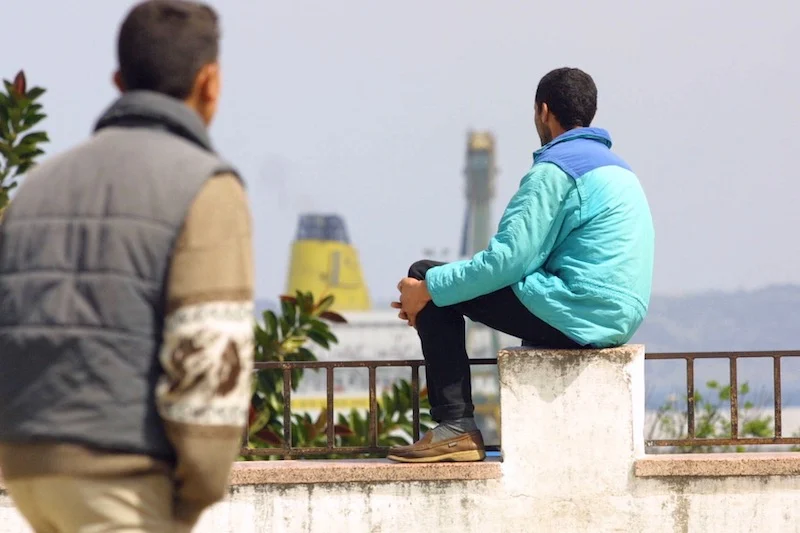
The issue of Moroccan youth who are not in employment, education, or training, known as NEET, has come back to the forefront of public discussion. This time, the focus is not just on diagnosing the problem and its causes but on proposing practical and feasible solutions.
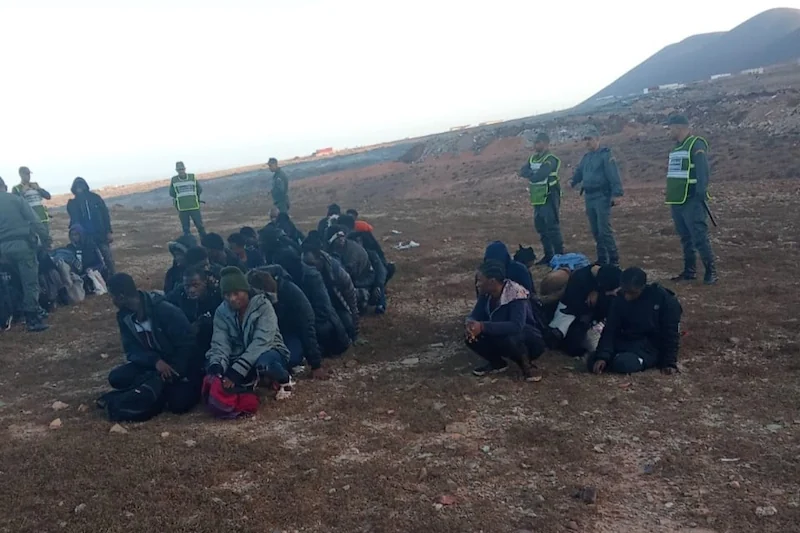
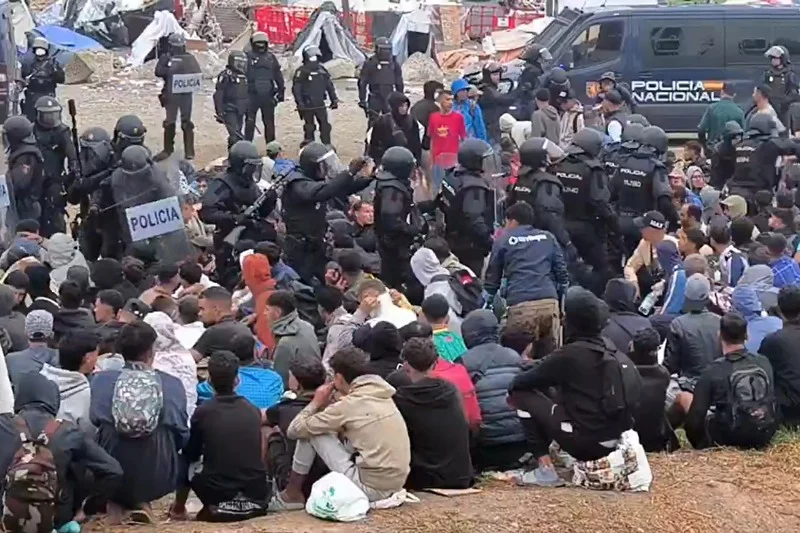
Amid ongoing discussions about the illegal mass migration attempts toward Ceuta, experts and observers of the NEET phenomenon argued that its development, whether due to financial strain on the public budget or the dangerous Fnideq events on September 15, raises critical questions about the collective conscience of Moroccans, calling for suggestions for effective solutions.
A study conducted by Moroccan researchers from Ibn Tofail University over three years, using data from 2019, found that the total cost of youth not engaged in education, employment, or training in Morocco was over 60 billion MAD in public finances and more than 55 billion MAD in opportunity costs.
NEET youths were featured in two official reports in 2022 from the HCP and the Economic, Social, and Environmental Council, which presented alarming figures about their numbers. However, experts argue accurately assessing their presence remains challenging without updated data.
The commission previously reported that more than 1 in 4 young people aged 15 to 24 (25.2% or 1.5 million) nationwide are neither employed, in school, nor in training (NEET). Of this group, nearly 72.8% are women, 40.6% of whom are married, and 68.2% have a diploma.
Abdel Nasser Najhi, an education expert and head of the Amaken Foundation for Quality Education, stated that “young people who are without work, training, or education have ended up in this situation because the school has failed to fulfill its roles, particularly in providing quality education and proper socialization.”
In a statement to Hespress Ar, Najhi argued that “the solution lies in schools, where we need to focus on the quality of education by training teachers, not just in knowledge but also in their ability to instill values in Moroccan children.”
The expert highlighted the need to “revise the curriculum to emphasize what prepares students for integration into society as productive individuals and citizens who are at peace with themselves and their communities.”
Najhi stressed the urgency of establishing a governance system that teaches children from a young age to follow agreed-upon rules and engage collaboratively with their peers and other members of the school community.
He underscored “the importance of instilling values of integrity and transparency in children, as well as a sense of responsibility and accountability.”
The expert said, “we need to link universities and vocational training to the job market to reduce unemployment rates while encouraging an entrepreneurial spirit among young people so they can create their own job opportunities.”
He added, “we should highlight positive role models in society, particularly on social media, with the government incentivizing these role models through awards and organizing meetings with students in schools.”
Social psychology expert Mohcine Benzakour told Hespress that “school dropout is still one of the major unresolved issues.”
He stressed the need to “adapt the education system to the specific needs of rural areas, as a lack of alignment can lead to negative consequences.”
The expert also highlighted the importance of “vocational training programs for youth who have not completed their education in rural areas that continue to struggle with social vulnerability.”
Benzakour stressed that “tackling this issue requires a regional approach focused on valuing people, not just land development,” criticizing the narratives that only blame families for producing NEET youth.
He also highlighted the need to update political discourse to reassure these young people that the state can help fulfill their aspirations, which are often tied to migration and the dream of a better life in Europe.






add your comment
Terms of publication : Not to offend the writer, people, sacred things, or attack religions or the divine self, and refrain from racist incitement and insults.