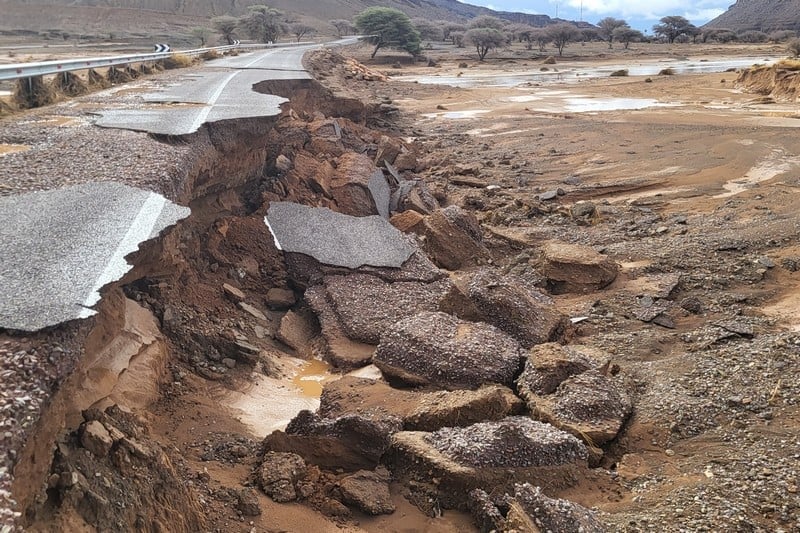
Human rights activists have criticized the infrastructure in southeastern Morocco, arguing that recent torrential rains have exposed “deep-rooted flaws” in the region’s ability to handle extreme weather.
Hamo Zraah, an activist from the area, pointed out that the catastrophic floods of 2014 had already highlighted the region’s infrastructural shortcomings. He claims that the recent downpours reveal that local officials have failed to address these issues, demonstrating a “discrepancy between the costs of infrastructure projects and their quality.”
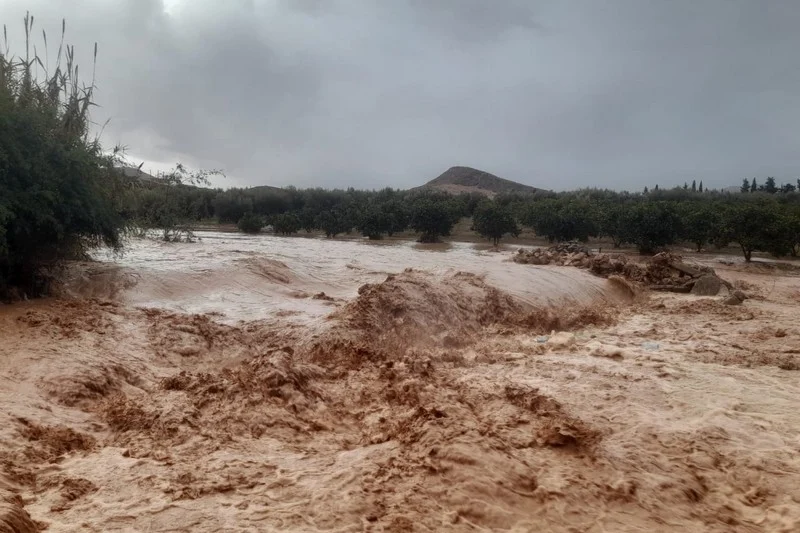
According to Zraah, “just a few minutes of torrential rain were enough to turn streets in several southeastern cities into rivers, trapping residents in their homes and restricting movement.” He attributed this to inadequate water collection and drainage systems, as well as poor maintenance of existing infrastructure.
Zraah also noted significant damage to newly built roads, especially along National Road 9, where flooding rivers have caused substantial cracks. He warned that such damage could hinder rescue efforts if heavy rains continue, potentially leading to more fatalities.
Mohamed Lamine Lebied, a human rights activist from Zagora, echoed Zraah’s concerns, emphasizing the need for accountability for the region’s fragile infrastructure. He recounted how many residents spent a sleepless night last Saturday, anxious about the rare and intense rainfall.
Lebied criticized the delay in deploying regional council machinery to the most affected areas, particularly the Tagounite commune, despite a red alert issued by the meteorological agency last Friday. He called for all parties to avoid being “lax” and to collaborate effectively with authorities and civil society to prevent further loss of life.
The Ministry of Interior has reported that the recent floods in the southeastern provinces have resulted in 18 deaths and the complete destruction of 56 homes, highlighting the urgent need for infrastructure improvements in the region.





add your comment
Terms of publication : Not to offend the writer, people, sacred things, or attack religions or the divine self, and refrain from racist incitement and insults.