
More than 60 women’s and civil society organizations have unveiled a new report criticizing Morocco’s progress in implementing the Beijing Declaration and Platform for Action, nearly 30 years after its adoption. The report, based on three months of consultations, highlights significant gender disparities in political, economic, and social spheres, urging more effective interventions to address these issues.
The report identifies persistent “gender gaps,” particularly in rural and marginalized areas. It points to a lack of progress in enforcing existing laws and legislation designed to promote gender equality. Despite having the legal framework in place, many women and girls continue to face systemic barriers that limit their opportunities.
The report calls on Moroccan authorities to prioritize the activation of the 2011 Constitution’s provisions related to equality and public consultation. It specifically urges the establishment of the Commission for Equality and Combating All Forms of Discrimination and emphasizes the need for women’s effective participation in decision-making processes. The report also advocates for policies that address the gender gap, especially in rural areas, through enhanced education and vocational training, improved labor market opportunities, and the full realization of women’s rights.
Economic Empowerment and Social Infrastructure
The report, led by the “Free Hands” association, stresses the need for improving women’s economic empowerment by enhancing access to finance and investment opportunities. It also calls for better working conditions and protection for women. The report notes that government efforts should focus on improving social infrastructure, including education, health, and social welfare, to ensure gender-sensitive services.
While acknowledging recent legislative advancements, such as Law 30.22, which provides for 14 weeks of paid maternity leave, the report criticizes the disparity between public and private sector workers. Women in the private sector, who make up a significant portion of the workforce, lack equivalent protections, including access to childcare facilities.
The report also highlights challenges faced by women in the agricultural sector. Rural women, often engaged in unpaid labor, are subjected to poor working conditions and mistreatment, which can lead to school dropout among girls and perpetuate gender inequalities. Additionally, Law No. 19.12, which governs domestic worker conditions, is seen as ineffective due to weak enforcement and lack of labor rights guarantees.
Economic Participation and NEET Youth
The report reveals that women are underrepresented in Morocco’s economic fabric, with only 13.4% of women in very small companies and 10.2% in small and medium-sized enterprises. Their representation drops to less than 8% in large companies. It also notes that women make up 72.4% of NEET (Not in Education, Employment, or Training) youth, underscoring the need for effective policies to enhance their economic and educational opportunities.
The report praises Framework Law No. 09.21, which aims to expand social protection through universal health coverage, family allowances, and pension system participation. However, it emphasizes the need for further action to address ongoing issues.
Violence and Representation
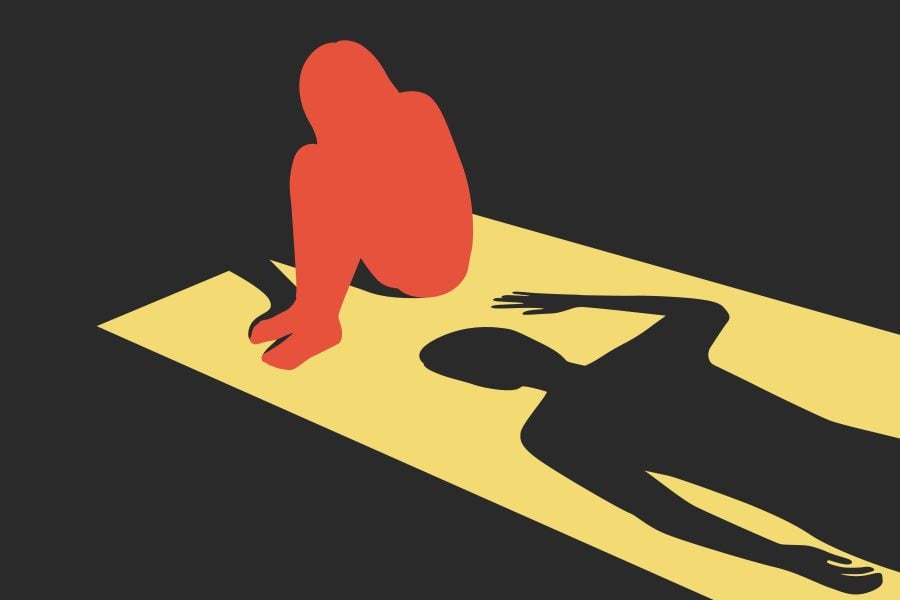
The report also addresses violence against women, revealing that more than 50% of Moroccan women have experienced violence, both in urban and rural areas. It criticizes the lack of progress in establishing the Commission for Equality and Combating All Forms of Discrimination, which has been delayed despite legal requirements and several government administrations.
In terms of political representation, women hold only 38.5% of seats in regional councils, 35.6% in provincial councils, 26.6% in collective councils, and 24.3% in the House of Representatives. The report highlights the need for greater political will to implement constitutional commitments and improve women’s representation in elected institutions and decision-making roles.
The report concludes with a call for intensified efforts to address these issues and ensure that gender equality commitments translate into tangible improvements for women and girls across Morocco.


add your comment
Terms of publication : Not to offend the writer, people, sacred things, or attack religions or the divine self, and refrain from racist incitement and insults.