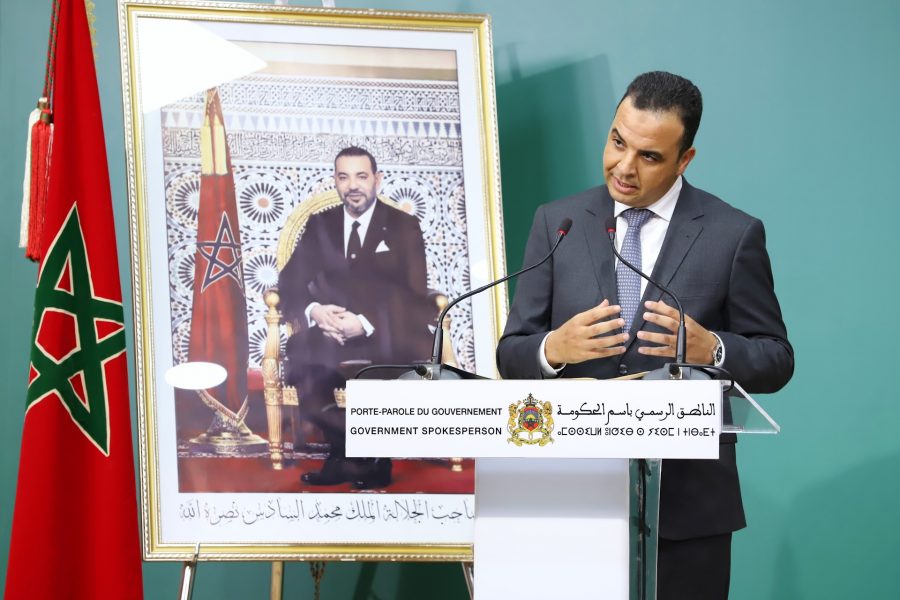
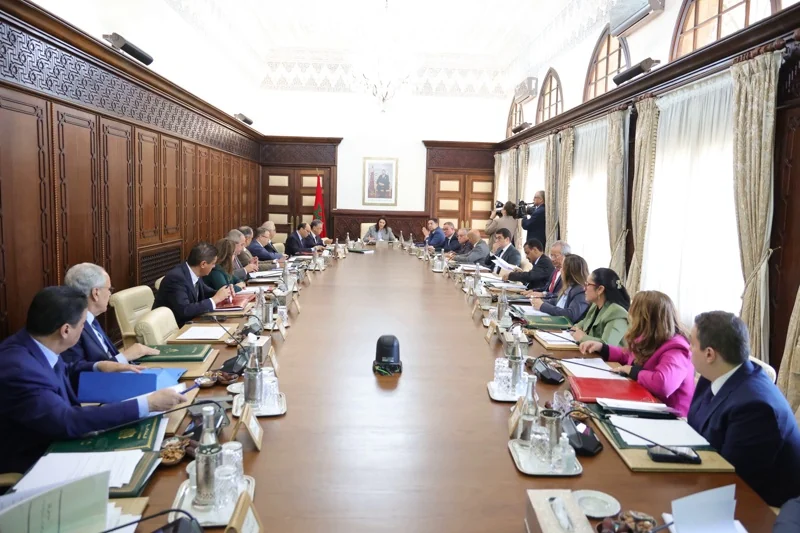
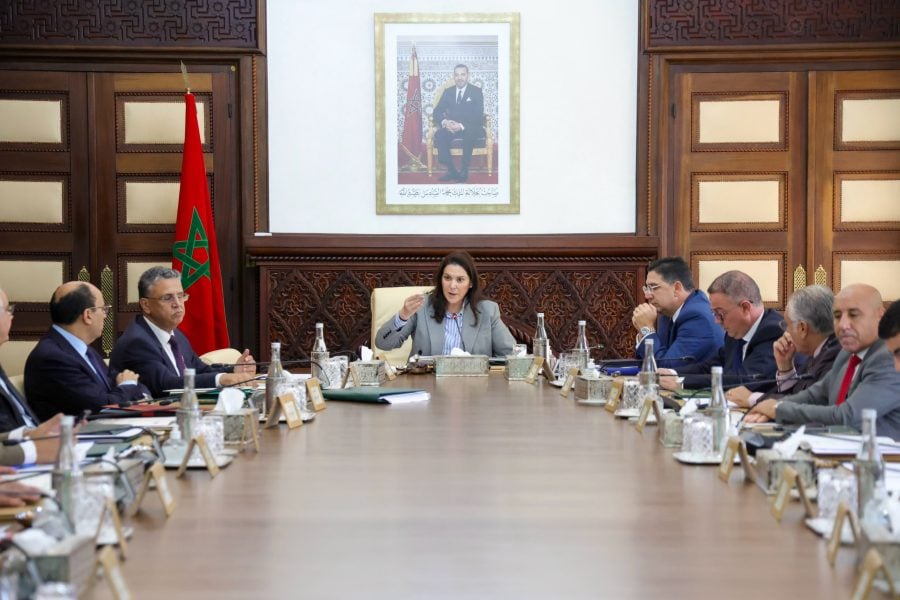
Draft Law 03.23, which amends and supplements Law 22.01 on Criminal Procedure, was approved by the Government Council on Thursday.
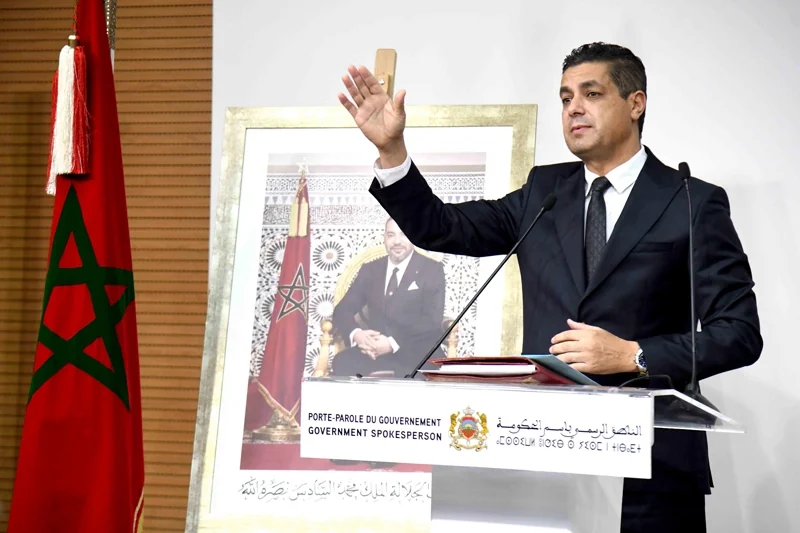
Mustapha Baitas, Minister Delegate for Relations with Parliament and government spokesman, described the draft as “a very important and comprehensive legal project,” noting its significant impact on various aspects of daily life.
“This text is one of the key documents reflecting our strong commitment to advancing human rights,” Baitas said. He emphasized that the government has long advocated for reforms to several key legal frameworks, including the Code of Civil Procedure, which is currently under review by the House of Councillors after being approved by the House of Representatives.
Baitas also highlighted recent reforms, including the law on alternative penalties, which was approved months ago and aims to reduce reliance on pretrial detention. “This law complements our current efforts, and now we are addressing the crucial reform of criminal procedure,” he said.
He acknowledged that such significant legal changes naturally provoke debate, viewing it as a positive sign of the reform’s importance. The existing criminal procedure has been in place for over 20 years and requires updating to reflect recent constitutional and developmental changes, Baitas noted.
In response to questions about the public sector wage increase, Baitas reassured reporters that the agreed-upon increases will be implemented. “The outcomes of any agreement will be carried out as planned. Both the increases scheduled for this year and those for next year will be disbursed,” he said.
Addressing Morocco’s water situation, Baitas discussed the government’s ongoing efforts to address water scarcity, which has been exacerbated by three years of inadequate rainfall.
“The king has strongly supported this project, leading the government to increase funding to 148 billion dirhams,” he said. The government is working on various initiatives, including dam construction, connectivity improvements, and desalination projects. “While the water situation is challenging, we are focused on both current and future solutions,” he added.
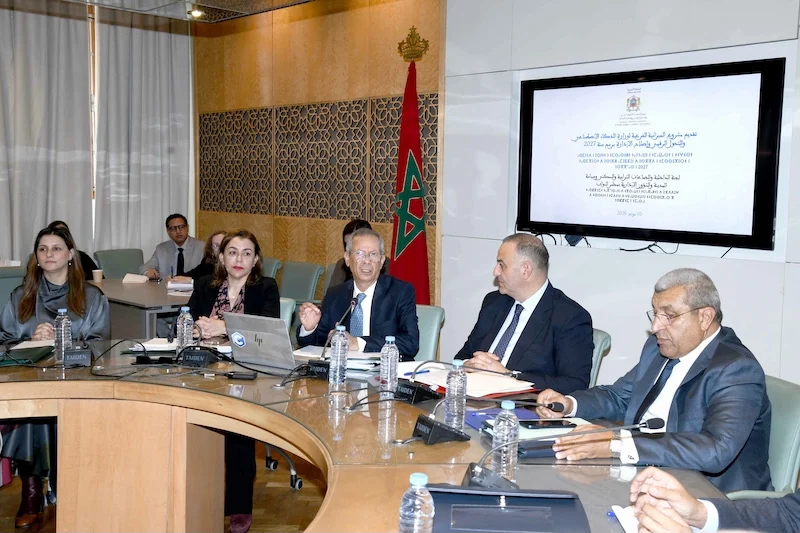
Baitas also mentioned that the inter-ministerial committee tracking water issues continues its fieldwork, providing data and updates on infrastructure and housing rehabilitation projects. The committee is expected to present its findings and progress in upcoming meetings.



add your comment
Terms of publication : Not to offend the writer, people, sacred things, or attack religions or the divine self, and refrain from racist incitement and insults.