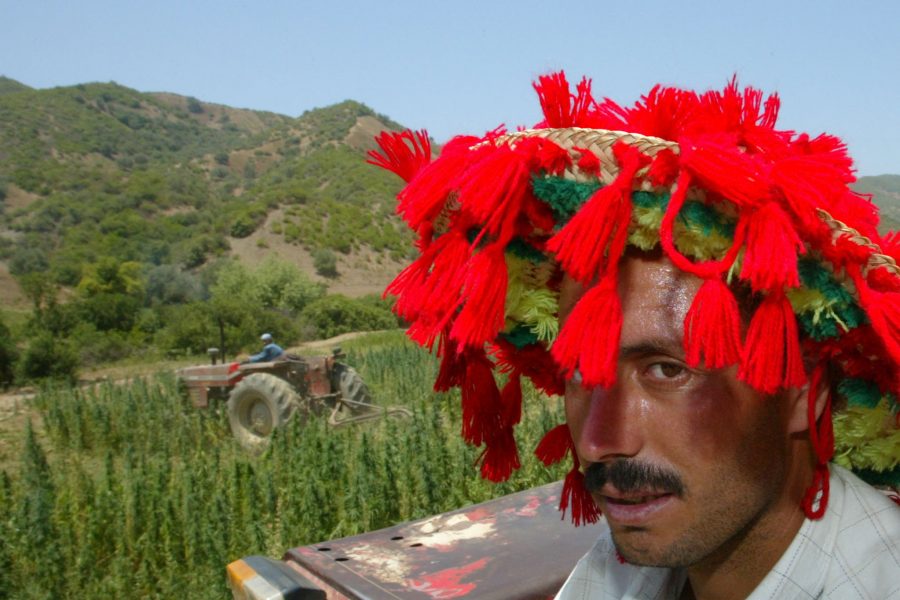
A shift from decades of cannabis criminalization has sparked renewed interest in cannabis’s history within Moroccan culture. Here we explore the rich history of hemp use in Morocco, examining how it was critical in producing various elements in different fields, with a nod to the work of Moroccan pharmacist Jamal Bellakhder, “L’histoire du chanvre au Maghreb”.
Food use of hemp
According to ancient Arabic books, one of the first few uses of hemp in Morocco was to produce bread. The grains (chènevis) extracted from the plant are added to other mixtures of different cereals to make freshly consumable bread.
Along with dough, the plant was also of crucial use for rural areas deprived of olive trees, where they used the grains to extract oil safe for cooking.
Paper or Kagit production
The most prominent use of hemp in Morocco lies in its strong fibers. These fibers prized for their robustness and resistance to rot, were significant in creating essential tools for different fields.
They were the first principal component used to fabricate paper. It was learned that more than 300 workshops of paper production existed in the 18th century, specifically in Fez, the spiritual capital city of Morocco.
Hemp in marine navigation, textile, and other
In construction and shipping, hemp ropes played a crucial role, in ensuring the stability and security of structures and cargo. Hemp sails propelled boats across the waters, while well-built tents provided shelter for nomads and travelers. In addition to that, thick hemp yarn was also utilized to make sturdy trolling or fishing nets.This way, hemp played a significant role in facilitating and developing maritime navigation.
Beyond marine uses, hemp’s versatility extended to textiles. Moroccan artisans skillfully laced the fibers into a variety of fabrics, catering to diverse needs. Clothing is a primary use and saw garments are crafted from hemp, with the weave quality dictating the wearer’s social standing. It is a durable fabric and eco-friendly thanks to its sustainability and strength.
The list of practical applications goes further, with hemp being used to create halters and headcollars for animals, bedding, shoes, and home goods such as curtains and bath mitts (Moroccan “Quiss”).
Hemp as medicine: a plant-based remedy
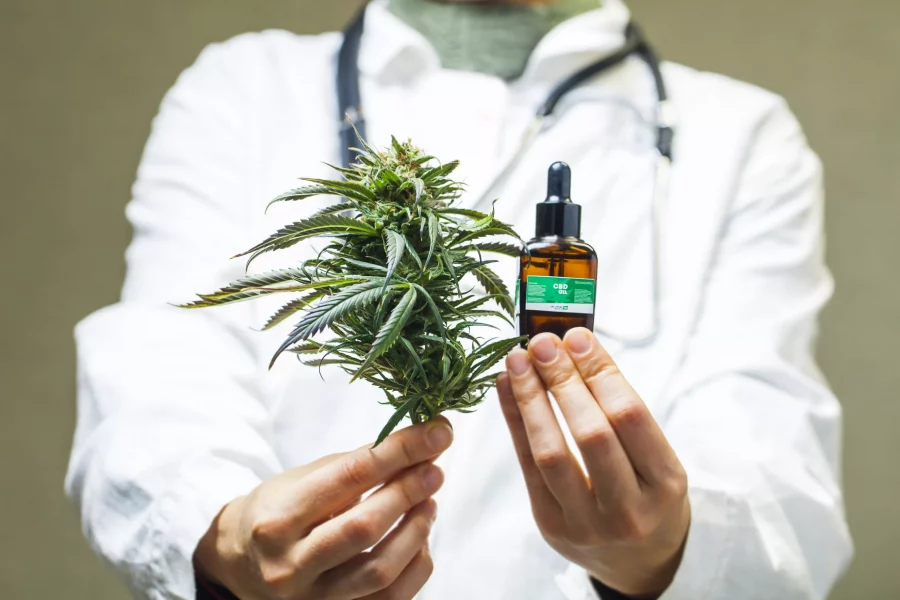
The benefits of hemp extended beyond the realm of practicality, as Moroccan medicine used the plant’s pain-relieving properties when people suffering from various ailments sought relief and relaxation.
Interestingly, surgeons of the time even utilized hemp as an anesthetic and sedative before procedures, recommending it to their patients, and highlighting its multifaceted medicinal value.
Psychoactive use of hemp
Hemp’s psychoactive properties, known as Kif in Morocco, presented another dimension to its use. People consumed Kif in various ways: smoking it in pipes (sebsi) offered a quick and direct experience, while mixing it with tobacco or sweet pastes (maâjoun) provided a more nuanced and potentially social experience. Less common was the ingestion of Kif in food or drinks.
The consumption of Kif transcended its psychoactive effects. It became a social lubricant, providing a sense of community and connection; people gathered to share Kif, unwind, and engage in conversation, creating a space for relaxation and social bonding.
This practice, documented by Dr. Jamal Bellakhder, highlights the normalization of Kif consumption within certain social circles. While technically illegal, Kif use was (and to some extent still is) tolerated, particularly in rural areas.
Cultivation and geographical significance
The cultivation of hemp in Morocco boasts a long history, possibly dating back to the 10th century. However, the Rif region, located in the northern part of the country, emerged as the prominent producer due to a confluence of circumstances.
The region’s unique climate, characterized by warm temperatures and ample rainfall, provided an ideal environment for hemp growth. Additionally, the mountainous terrain offered protection and isolation, facilitating large-scale cultivation. By the 18th century, the Rif region had established itself as the heart of Morocco’s hemp production.





Very insightful article given the trajectory Morocco is about to embark upon regarding the legalization of hemp.
Hopefully the farmers can benefit from its legalization alongside the corporate entities.