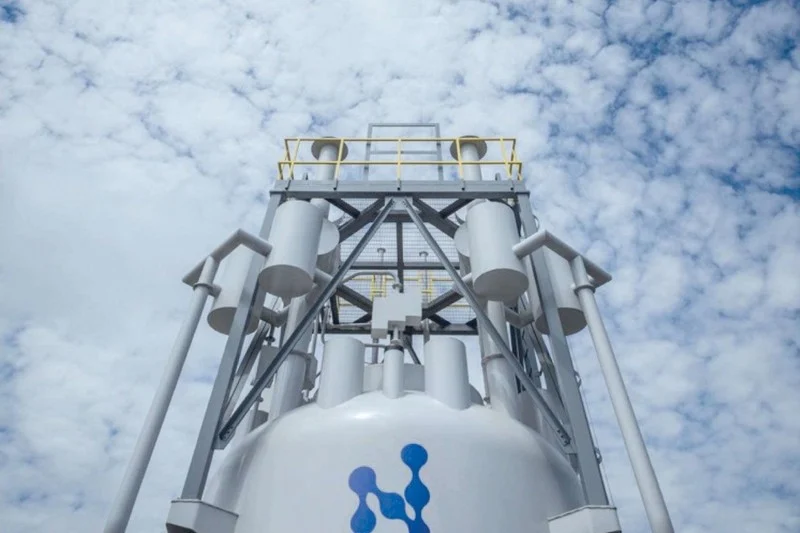
Morocco is set to become a major player in the green hydrogen market, potentially supplying 5% of global demand by 2030, according to a recent report by Carnegie Endowment for International peace.
This shift is driven by a confluence of factors. Morocco currently imports a staggering 90% of its energy needs, leaving it vulnerable to price fluctuations and geopolitical instability.
However, the country boasts a diverse renewable energy infrastructure, fueled by wind, solar, and hydropower.
According to the report, the existing infrastructure provides a strong platform for the development of green hydrogen, which is produced by splitting water using electrolysis powered by renewable energy sources.
The vision is not just about exports. Green hydrogen holds the potential to decarbonize Morocco’s own economy, replacing fossil fuels in industries like agriculture, transportation, and residential heating.
The strategy also includes the production of green ammonia and synthetic fuels, further diversifying the energy mix and reducing dependence on imported resources.
This ambitious plan hinges on the expansion of Morocco’s already impressive renewable energy infrastructure. The National Office of Electricity and Potable Water aims for a staggering 10 gigawatts of installed capacity from renewable sources by 2030.
This expansion, coupled with investments in green hydrogen production facilities, could see Morocco producing 1.2 million tons of green hydrogen annually by 2030.
The success of this green hydrogen dream hinges on securing the necessary funding. A recent announcement of a $27.2 billion investment in the Dakhla-Oued Ed-Dahab region offers a promising start. But further investments will be crucial to meet the ambitious production targets.
Morocco’s green hydrogen ambitions are not just about domestic needs.
The report says that the country is strategically positioned to become a major exporter, particularly to Europe. With its existing electricity grid interconnected with Algeria and Spain, Morocco has a unique advantage for exporting clean energy.
This could create a win-win situation, providing Europe with a reliable source of green energy while bolstering Morocco’s economy through exports.
If successful, Morocco could follow in the footsteps of Oman, another Middle Eastern nation pioneering green hydrogen production.






add your comment
Terms of publication : Not to offend the writer, people, sacred things, or attack religions or the divine self, and refrain from racist incitement and insults.