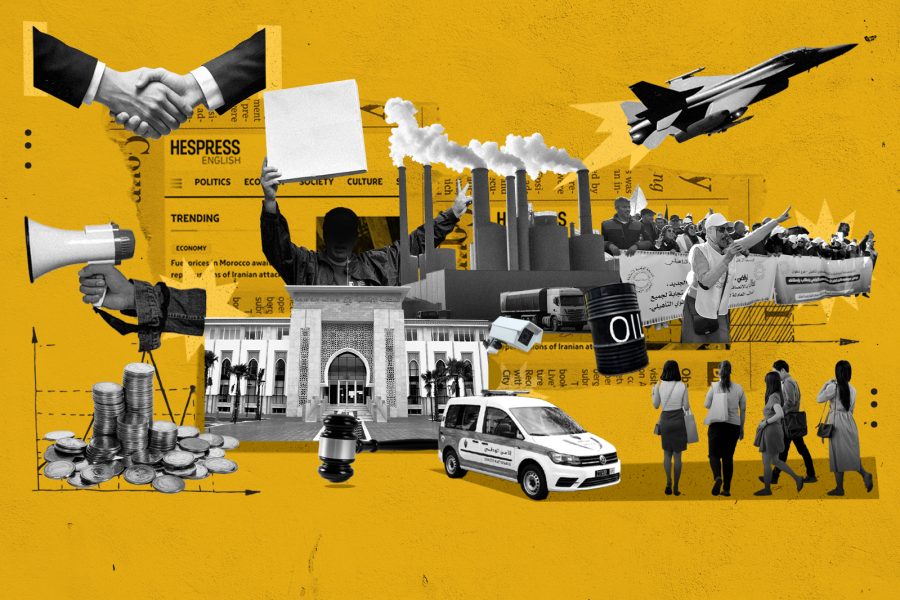
Welcome to another edition of our Weekly Risk Watch where we provide a clear-eyed view of the economic indicators, political currents, and security developments that could impact your business or daily life, all wrapped up in a convenient weekly package.
Economy and Markets
- Morocco refuted seeking IMF loans and clarified its prior credit line as an emergency reserve, highlighting continued debt and deficit concerns.
- Morocco’s finance ministry is considering issuing more international bonds, increasing risks for higher debt, and borrowing costs.
- Morocco’s grain production is expected to drop 43% to 3.12 million tons this year due to drought, raising food security concerns.
- Morocco raised Monday butane gas prices by 10 DH, increasing household expenses.
- Morocco’s phosphate exports to Brazil plummeted, dropping from 500,000 tons to 158,000 tons in a year, raising potential price volatility.
- Morocco’s Industry Minister, Riad Mazour, confirmed the seizure of Moroccan-made car exports by Italian authorities, leading to limited market access for Moroccan manufactured goods.
Political Stability
- Morocco’s butane gas price hike angered unions, fearing strain on middle class and workers, potentially sparking social unrest due to inflation.
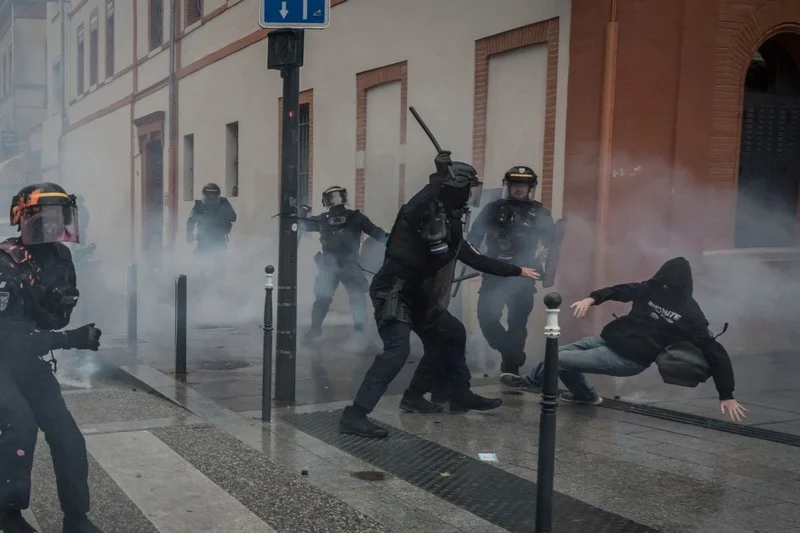
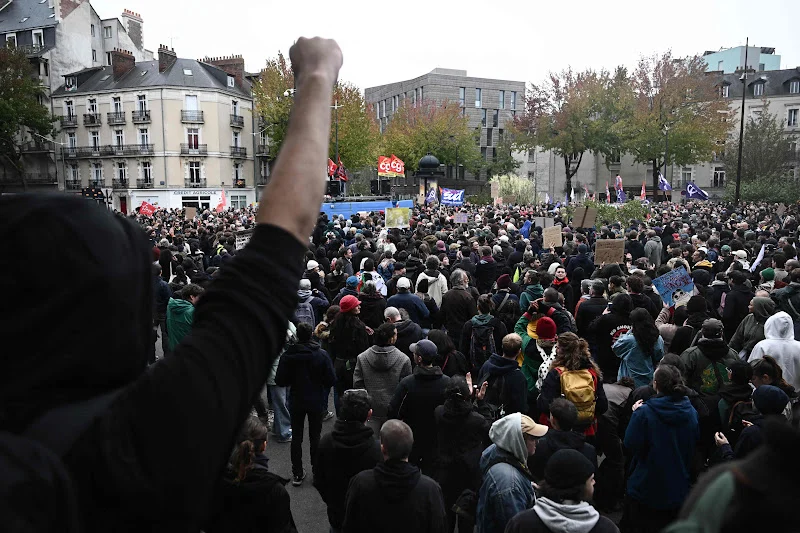
- Protests erupt in several cities on Friday to condemn violence in Gaza and demand an end to Israeli aggression and normalization of relations, raising concerns for social unrest.
- Moroccan engineers protested outside parliament on Tuesday, demanding a joint ministerial charter, regulation of their profession, and a private sector collective agreement, raising concerns about labor unrest.
- Law graduates in Casablanca protested Monday alleged irregularities in the ban exam, demanding investigation and accountability, raising risk of erosion of trust in the justice system.
- Medical students in Morocco threaten renewed protests after minister rejects calls for leniency on exams, rising concerns for academic crisis.
- Moroccan health sector unions threaten unprecedented escalation over the government’s inaction to their demands, raising concerns about labor unrest.
- Medical students in Morocco are likely to continue to boycott, raising concerns for academic crises.
- A government reshuffle targeting underperforming sectors with a potential mid-term cabinet reshuffle is nearing implementation, aligning with initial goals but risking instability.
- An argument erupted in Morocco’s House of Representatives Monday between the Speaker and the majority party after the Speaker downplayed ministerial absences, forcing the session’s adjournment and risking further legislative gridlock.
- In Figig, Morocco, nine members of the city council who oppose joining the regional electricity company Al-Sharq Distribution resigned after 190 days of protests over lack of consultation on local issues, raising the risk of instability.
- A World Bank report highlights worsening traffic congestion in Casablanca due to population growth and underinvestment in transportation, raising state burden.
Security
- The Polisario Front claimed responsibility for an attack in the Moroccan city of Smara, which did not cause any casualties, raising regional tensions.
Cross-border stability
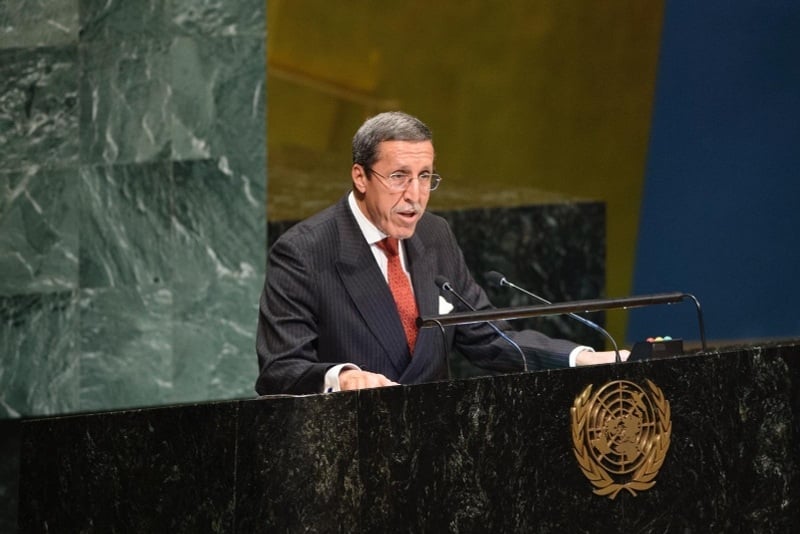
- The Swiss Federal Department of Foreign Affairs clarified that the Polisario Front has no official representation in Geneva or with the Swiss government, further diminishing the separatist group’s legitimacy.
- Spanish authorities are preparing to extradite a 34-year-old Moroccan man to Morocco, following his arrest in Andalusia on May 5th for violent robberies.
- Moroccan truck drivers are abandoning their vehicles in Spain for better-paying jobs, causing legal and financial losses for Moroccan transport companies who can’t get their trucks back without the missing drivers.
- The final decision to finance the massive Nigeria-Morocco gas pipeline has been delayed to 2025 to ensure the project’s viability across technical, financial, commercial, and political aspects, increasing project costs.



add your comment
Terms of publication : Not to offend the writer, people, sacred things, or attack religions or the divine self, and refrain from racist incitement and insults.