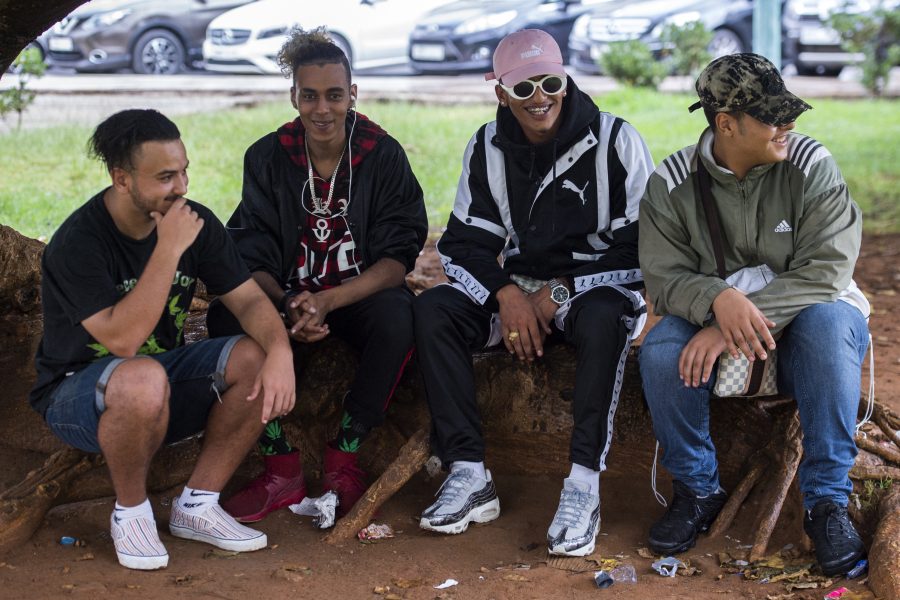
The High Commission for Planning in Morocco has shed light on the concerning number of young people falling into the category of “NEET” – Not in Education, Employment, or Training.
This demographic, representing a significant 39% of young Moroccans between 15 and 24 years old, translates to a staggering 1.5 million individuals.
The report delves into the complex and interwoven factors contributing to this phenomenon. Education level emerges as a critical determinant. Young people who haven’t completed primary education face a stark reality – they are 15 times more likely to be NEET compared to their peers with higher educational attainment.
Marital status and gender also play a significant role. Married young people, particularly women, are more susceptible to NEET status. This highlights the impact of societal expectations and family obligations, potentially limiting educational and professional opportunities for women. Statistics paint a concerning picture, with young women being 3.5 times more likely to be NEET compared to men in the same age group. This underscores the need to address gender-specific barriers in education, employment, and training.
Age itself is another factor. The report identifies a higher risk of NEET status for young adults between 20 and 24. This can be attributed to the critical transition period towards the labor market faced by this age group.
The family environment plays a crucial role as well. The document reveals that young people from families where the head of household lacks a university degree are twice as likely to be NEET compared to those with a more educated family head. Additionally, the employment status of the head of household matters. Having an active, employed household head significantly reduces the risk of NEET status for young people.
Finally, the report acknowledges the influence of geography and economic development. Young people residing in certain regions with lower economic development, like Beni Mellal-Khenifra and Fez-Meknes, face a higher chance of being NEET compared to those in more economically developed areas like Tangier-Tetouan-Al Hoceima.
Understanding these multifaceted factors is crucial for Morocco in developing targeted interventions to address the NEET challenge. By promoting educational opportunities, dismantling gender barriers, and fostering economic development, Morocco can empower its young people and create a brighter future for its workforce.





add your comment
Terms of publication : Not to offend the writer, people, sacred things, or attack religions or the divine self, and refrain from racist incitement and insults.