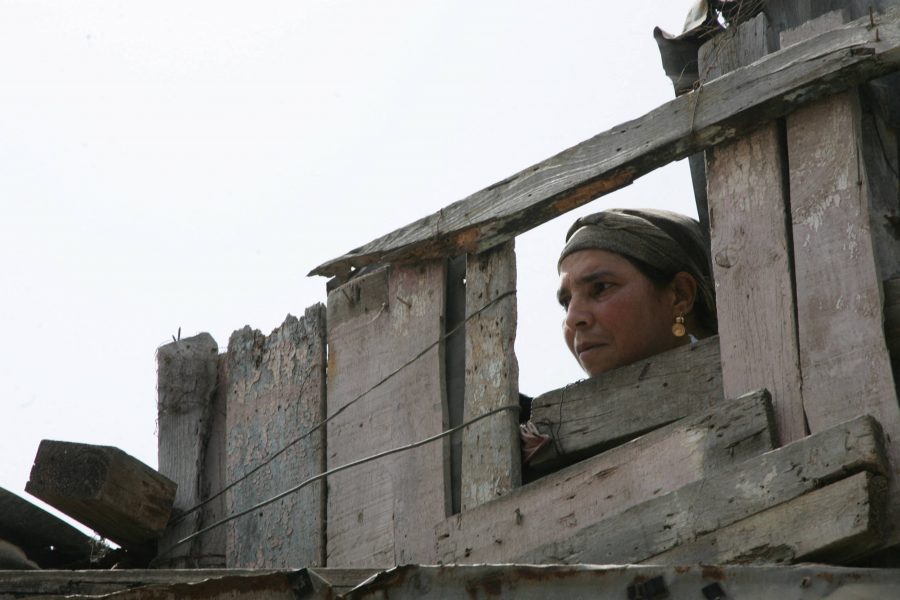
Before the 2003 bombings, the Sidi Moumen neighborhood existed on the fringes of Casablanca—an off-limits zone, a place best avoided.
Its ramshackle dwellings sat on top of a garbage dump and housed hundreds of thousands of people who lived without electricity, running water, or sewage in plastic shacks where cows, sheep, and strays competed with residents for survival.

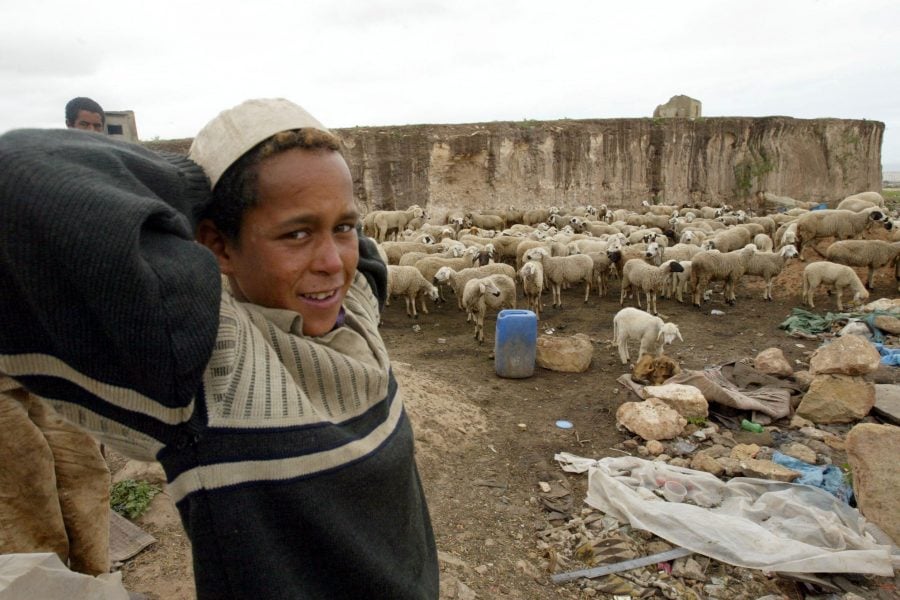
And the boys who grew up here, they were another breed of stray altogether.
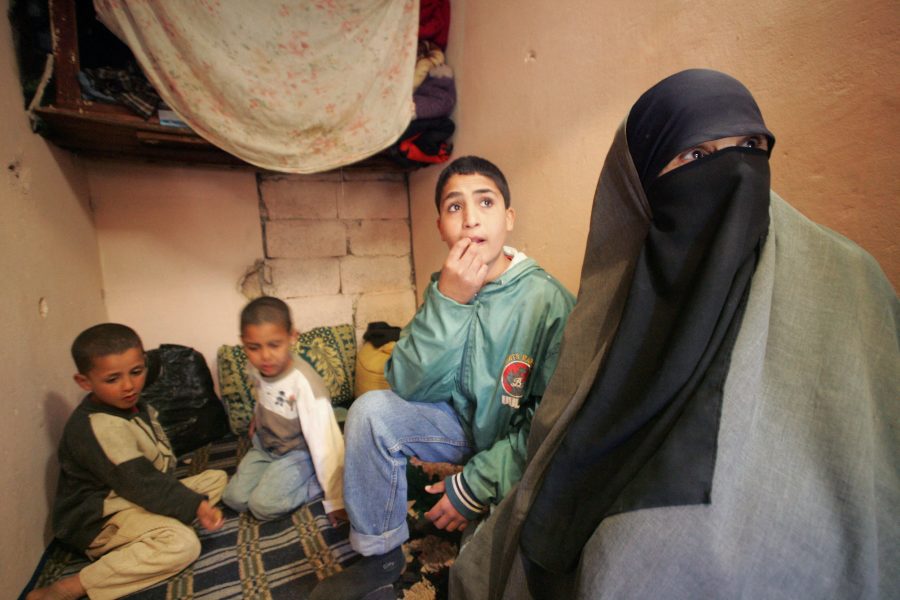
“Abdelfettah is the product of our poverty,” said the mother of a man who blew himself up in Morocco’s biggest terror attack that killed 45 people, including 12 suicide bombers, and 100 people injured, in a 2007 interview with AFP.
The most devastating attack occurred at the Casa de España, a Spanish-owned restaurant. Here, an assailant first stabbed a security guard before detonating their explosives inside the establishment, killing 20 people. Another attack targeted the Hotel Farah, a five-star hotel, resulting in the deaths of a doorman and a bellhop. In an attempt to bomb a Jewish cemetery, an attacker remotely detonated an explosive device, killing three individuals.
They were aged 16 to 23.
Their stories became a book and then a movie, but they were hardly the protagonists; the real focus fell on Sidi Moumen, the bleak slum the attackers’ called home.
“We were young, and there were no initiatives or cultural centers capable of accommodating us. We had to choose between spending time at home or on the streets,” said Sophia Akhmisse, who grew up near Sidi Moumen in an area that faced similar marginalization.
Now, the Executive Director of the Ali Zaoua Foundation, Akhmisse guides over 2,000 young people through the doors of a white building, transformed into the Stars Cultural Center in Sidi Moumen, where music, dance, hip-hop, and languages are taught.
“The Center offers all young people the opportunity to opt for creative options other than violence,” said Akhmisse.
The center has become a hub for individuals, offering them a wealth of activities and guidance and giving rise to successful young people in the arts.

The center now sits near tram tracks that carve a path through the progress Sidi Moumen has seen over the last decade, freshly painted buildings, and paved roads.
But a wrong turn reveals Sidi Moumen’s soul: hundreds of dark apartment buildings still dominate the landscape, the streets are trash-strewn, and shacks stand beside big apartment buildings.

“Eradicating shantytowns was and still is the priority. We are working now on demolishing Kariane Rhmana, but the region still needs more projects since we started from scratch. Sidi Moumen didn’t even have a decent road’ said Ahmed Brija the former head of Sidi Moumen district, who has witnessed the transformations in the region since the terrorist events.
Despite its large and ever-growing population, Brija points out that crime rates remain low in Sidi Moumen. In fact, some less populated areas of Casablanca have even higher crime statistics.
In order to solve Sidi Moumen’s marginalization, a program, the Comprehensive Development Program for Sidi Moumen 2007-2010, to clear substandard housing began. On July 5, 2007, authorities took steps to demolish these structures as part of this initiative.
The program received a hefty budget of around 20 billion centimes, with a big focus on getting rid of the shantytowns that housed a third of the district’s residents.
In 2021, local authorities in Casablanca demolished the remaining makeshift buildings and tin shacks in the notorious “Kariane Toma” of Sidi Moumen.
Despite the initiative, Brija acknowledges that the program wasn’t completed as planned due to various roadblocks, especially the criteria for distributing new houses.
As a result, Sidi Moumen still struggles with one of its biggest shantytowns, Rehamna, with over 60.000 residents.








add your comment
Terms of publication : Not to offend the writer, people, sacred things, or attack religions or the divine self, and refrain from racist incitement and insults.