
The Riforest Foundation has launched project that seeks to establish food forests as an answer to the climate crisis and economic challenges in the Rif region in northern Morocco.
These green oases are a source of hope and livelihood security for small farmers. The project contributes to increasing knowledge of ecological agriculture. It also offers new opportunities in the areas of cooperation, collaboration and ecotourism. By realizing these food forests, Riforest is taking an important step within the mission of ecological and economic restoration of degraded agricultural lands in the Rif region.

Reforestation and Livelihood Security
The Rif region is facing a double challenge: global warming and the lack of economic opportunities, resulting in barren farmlands and mass migration, especially of young people. Grain farming, once the region’s lifeline, has become nearly impossible due to changing climatic conditions and sporadic rainfall. Food forests offer a solution. These biodiverse ecosystems, based on principles from permaculture (a design science for ecological agriculture), not only green the landscape, but also create a stable food supply for farming families and provide long-term economic activity.
Five Food Forests, Countless Opportunities
Riforest has ambitious plans: five food forests spread across four provinces in the Rif mountains. In one year, together with local farming families who do not have the means to build a food forest themselves. By realizing these food forests, Riforest wants to demonstrate that this form of agriculture is a viable and ecological alternative to grain farming and industrial agriculture. These model sites serve as inspiration for other farmers. Here they will learn how to transform their barren land into fertile food forests.
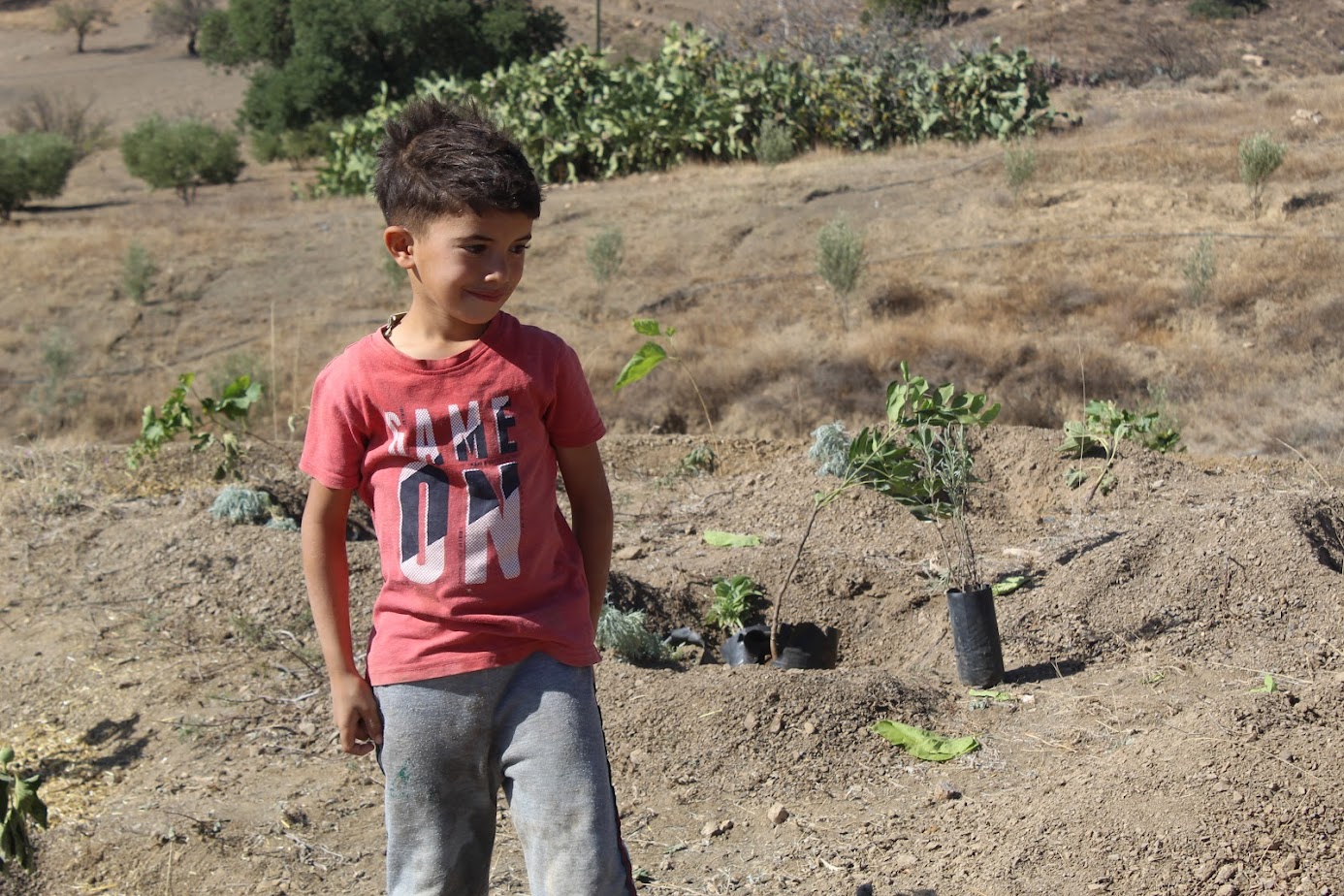
Knowledge Transfer and Practical Applications
Perma Rif, Riforest’s local partner in Morocco, plays a crucial role. Together with them, a selection of candidates has been made to be trained as permaculture specialists. This began in 2023 with online courses followed by on-site training in Marrakesh. The designing of the food forests will begin on April 22, 2024. Focusing on key themes such as healthy soils, biodiversity, and rainwater harvesting. This knowledge will be shared throughout the project with at least 100 farmers, who in turn will become ambassadors for sustainable agriculture in the Rif. 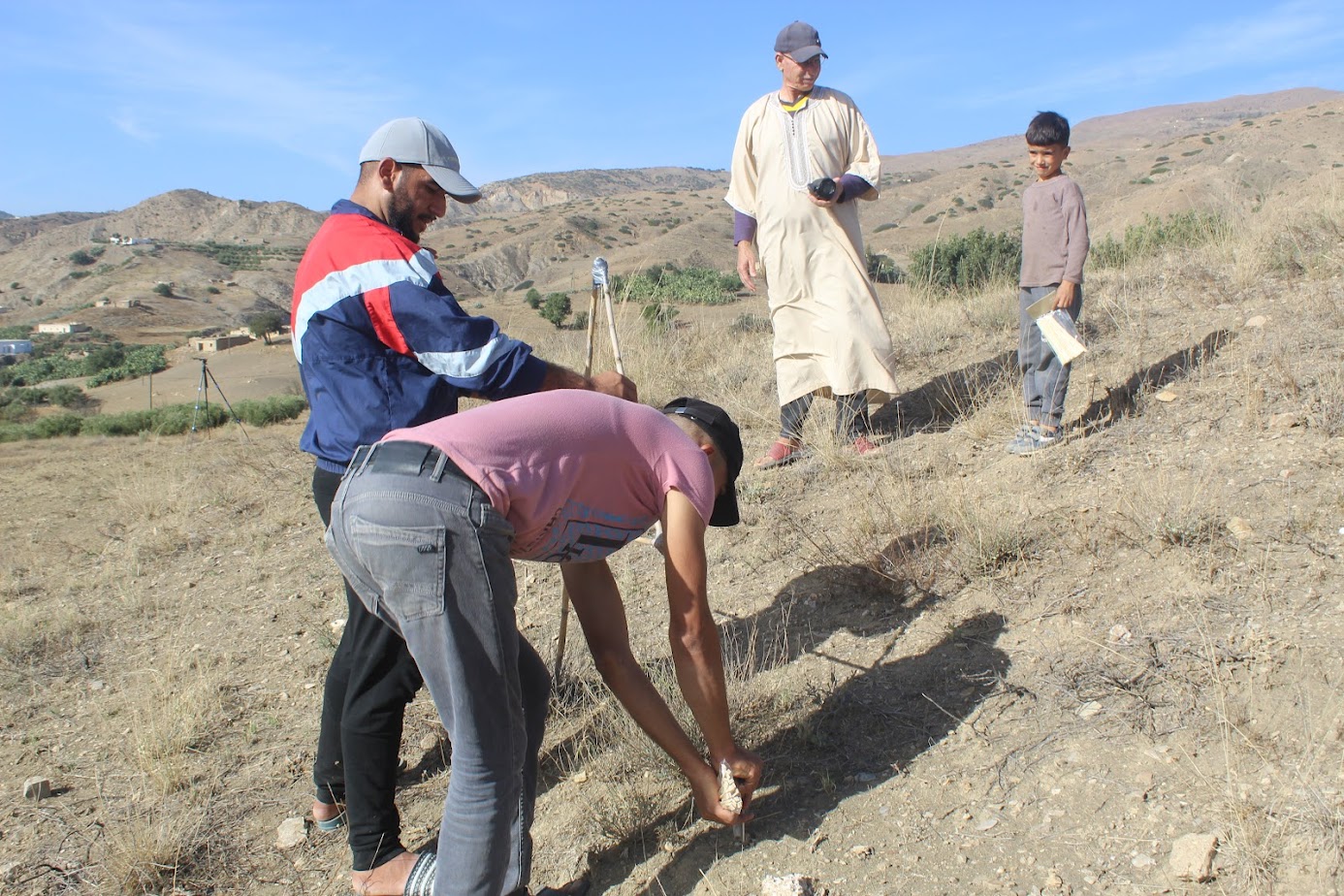
Funding and Future Prospects
This project will run for one year and is made possible by the Wilde Ganzen Foundation, private donations and seven private funds. The food forests will not only yield food but also foster hope and resilience. Riforest plans to establish food forests on a structural basis after this project. In the near future, it will be possible for companies, organizations and individuals to establish a food forest in the Rif mountains.








add your comment
Terms of publication : Not to offend the writer, people, sacred things, or attack religions or the divine self, and refrain from racist incitement and insults.