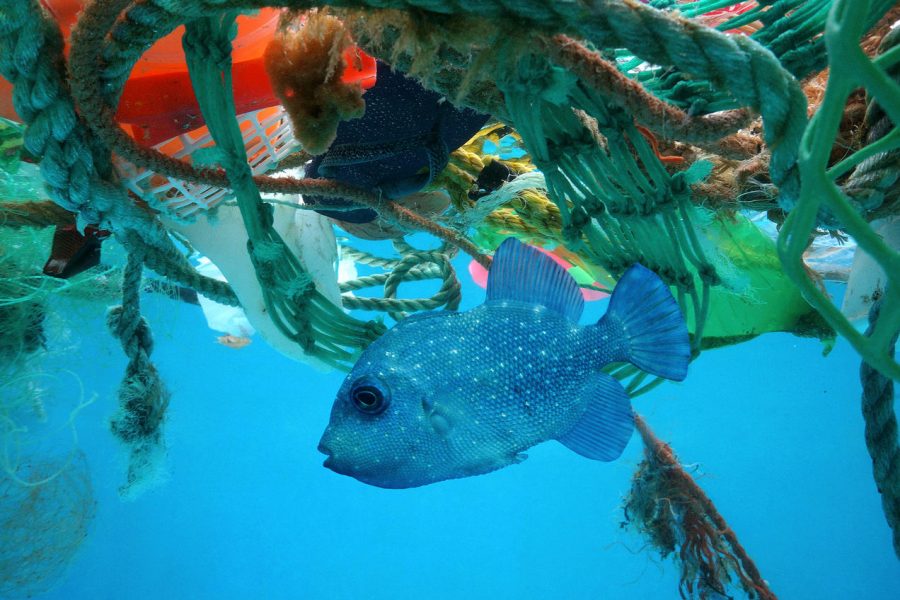
The “Ecological Beacons for Development and Climate” Association raised the alarm, in a paper authored by environmental expert Hamid Rachil, over “the looming threat of plastic pollution and its potential impact on the planet.”
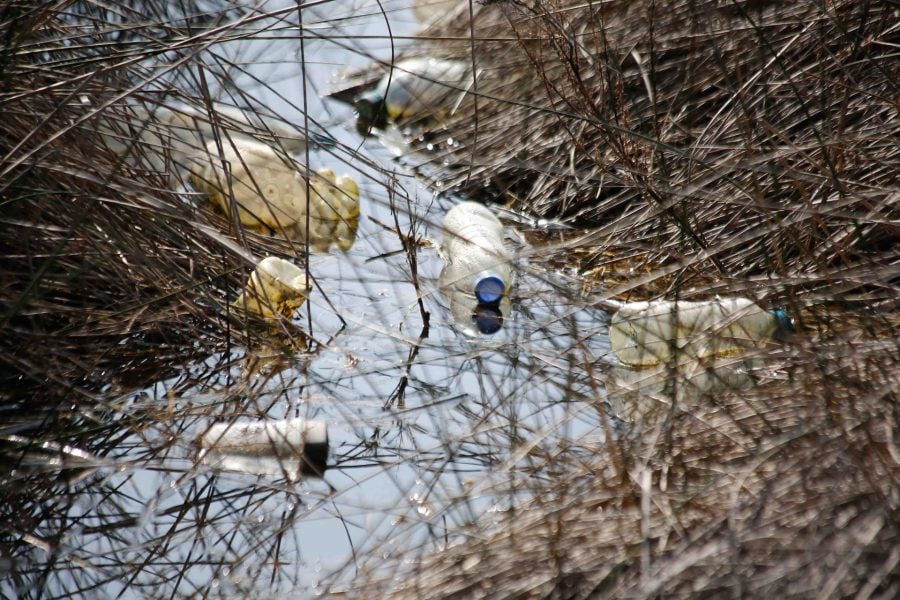
He emphasized that “plastic pollution remains one of the most pressing environmental issues of our time, as plastic materials accumulate in the environment, causing significant harm to wildlife, ecosystems, and human health.
Commemorating the 50th anniversary of World Environment Day, the association, which comprises experts in environment, sustainable development, and Moroccan eco-activists, underscored the importance of this global event as a “platform for raising public environmental awareness,” according to a document obtained by Hespress.
The expert emphasized the peril of plastic in the context of the International Earth Day celebrations, commemorated this year under the theme “Planet vs. Plastic.” It was celebrated for the third time within the framework of the “United Nations Decade on Ecosystem Restoration 2021-2030.”
“This clearly confirms the recent international concern with the growing phenomenon of plastic waste, which has become the most dangerous threat to life on Earth,” noted the said association, stating that “some now speak of a plastic waste tsunami, which has spread widely on land and sea.”
The expert reviewed “Law 15-77, which prohibits the production, import, export, sale, and use of plastic bags,” observing that “after two years, their use has been completely eradicated in major markets and local shops, replaced by practical alternatives, fostering the growth of alternative bag industries in Morocco.”
However, he conceded that “recently, there’s been a resurgence in law violations, bringing plastic bags back to Moroccan streets.”
The association called for “the establishment of scientific systems for sorting and decomposition, as we cannot allow the quantity of plastic waste to multiply and worsen, flowing into terrestrial and aquatic ecosystems.”
It also emphasized the necessity of “urgent consideration of sustainable alternative materials to plastic that will gradually replace it in all aspects of life.”
The association stressed the need to prioritize scientific research to develop alternative plastics and effective decomposition methods and implement a measurable community awareness program to reduce plastic use.
The expert cited figures from the World Wildlife Fund in 2019, revealing that Morocco produces more than 570,000 tons of plastic waste annually, with 570 tons ending up in the Mediterranean Sea.
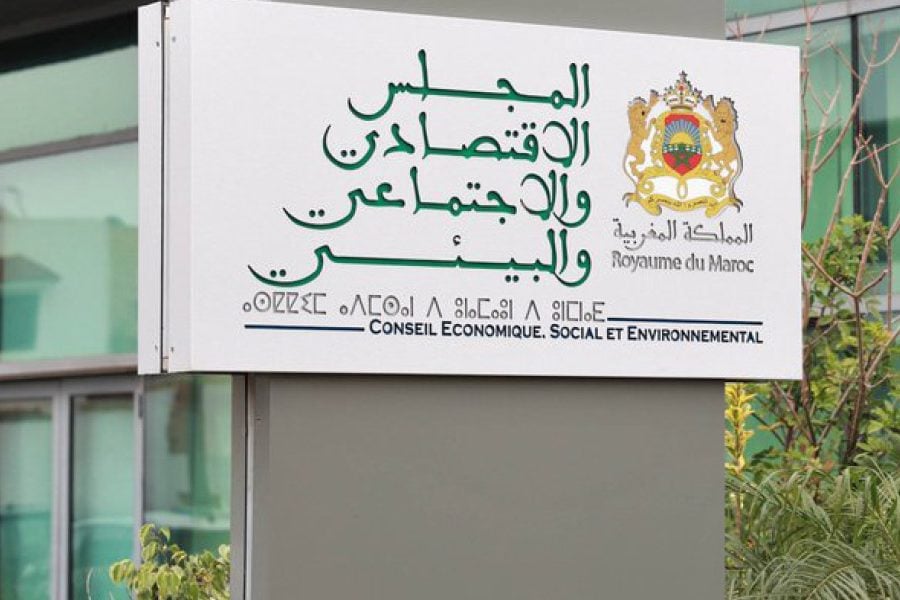
The Economic, Social, and Environmental Council also reported over 7 million tons of household waste in 2020, including 5.5 million tons in urban areas at a rate of 800 grams per person per day, and 1.5 million tons in rural areas at a rate of 300 grams per person per day.






add your comment
Terms of publication : Not to offend the writer, people, sacred things, or attack religions or the divine self, and refrain from racist incitement and insults.