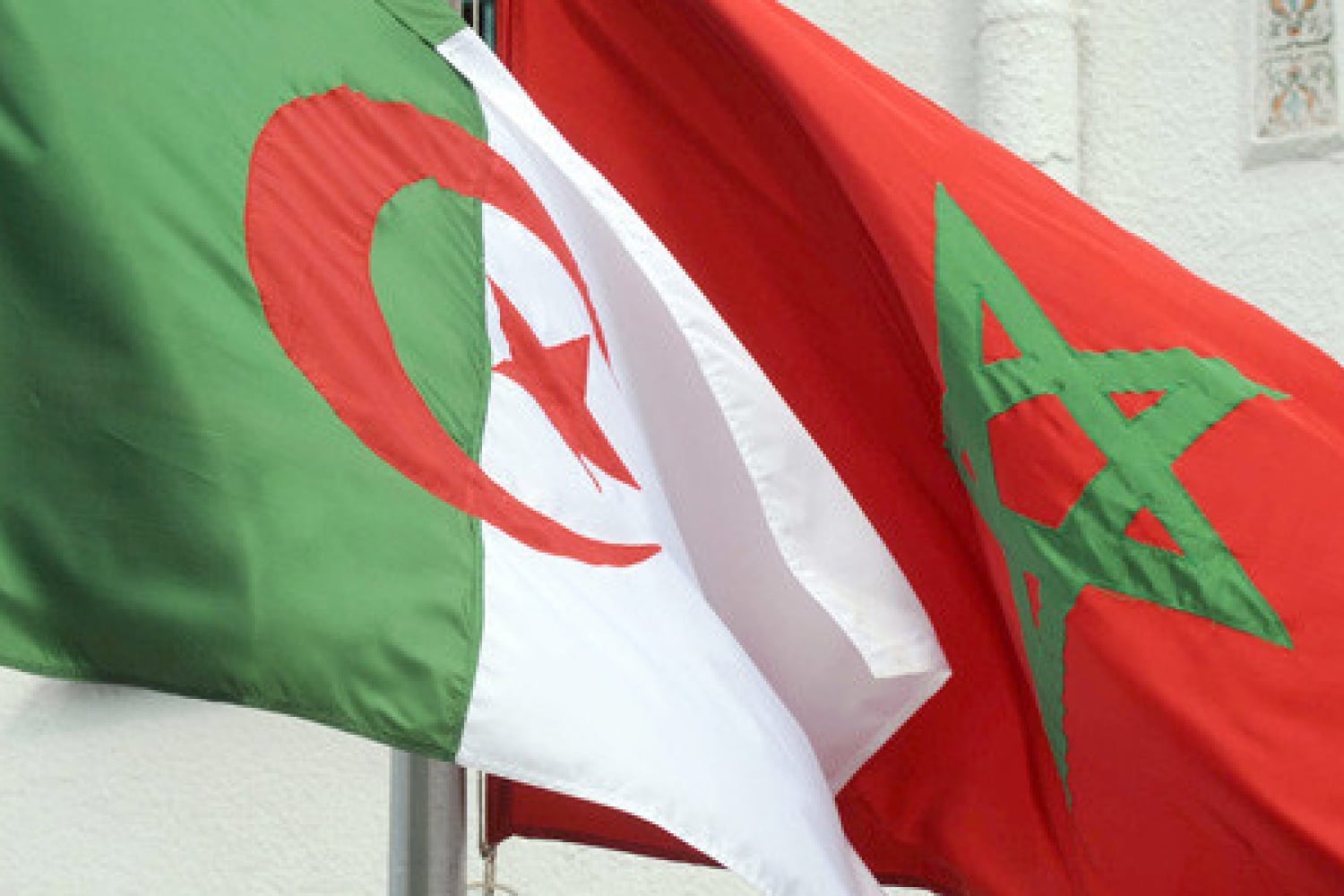
The ongoing war in Ukraine is triggering a ripple effect in North Africa, with reports suggesting a significant increase in arms sales from the region to Ukraine. The United States appears to be playing a key role in facilitating these transactions, most notably with Morocco.
Morocco, which possesses T-72 tanks acquired from Belarus, reportedly engaged in a diplomatic dispute with the Czech Republic over transferring these tanks to Ukraine. However, with US intervention, a deal was struck. Morocco will supply tanks and spare parts to Ukraine in exchange for receiving advanced Abrams tanks from the US.
This shift in Morocco’s stance, from neutrality to active arms supplier for Ukraine, is seen as a reflection of broader geopolitical dynamics. Morocco is embroiled in a long-standing dispute with neighboring Algeria over the Western Sahara territory. The US, eager to maintain its strategic partnership with Morocco, appears to be bolstering its position through these arms deals.
Meanwhile, Algeria, traditionally aligned with Russia, has responded by strengthening its own military through arms purchases. This has raised concerns of a potential regional conflict, considering Algeria boasts the second-largest military in Africa, only surpassed by Egypt.
Experts warn that heightened tensions between Algeria and Morocco could destabilize the already fragile North African region, with wider geopolitical implications. This comes at a time when the entire region faces various challenges, including economic woes in Egypt, political instability in Libya and Tunisia, and internal strife in Sudan, Chad, and Niger.
A potential war between Algeria and Morocco would not only exacerbate regional instability but also worsen the overall situation across North Africa.
This is particularly concerning given Morocco’s status as a Major Non-NATO Ally and the top US military equipment buyer in Africa. The US currently has active arms deals with Morocco worth over $8.5 billion.
In April, the US government gave the green light for Morocco to potentially buy two types of weapons systems. The first is the High Mobility Artillery Rocket System (HIMARS) along with supporting equipment, for a price tag of up to $524 million.
The second is the Joint StandOff Weapon (JSOW), also with additional equipment, for an estimated cost of $250 million.





add your comment
Terms of publication : Not to offend the writer, people, sacred things, or attack religions or the divine self, and refrain from racist incitement and insults.