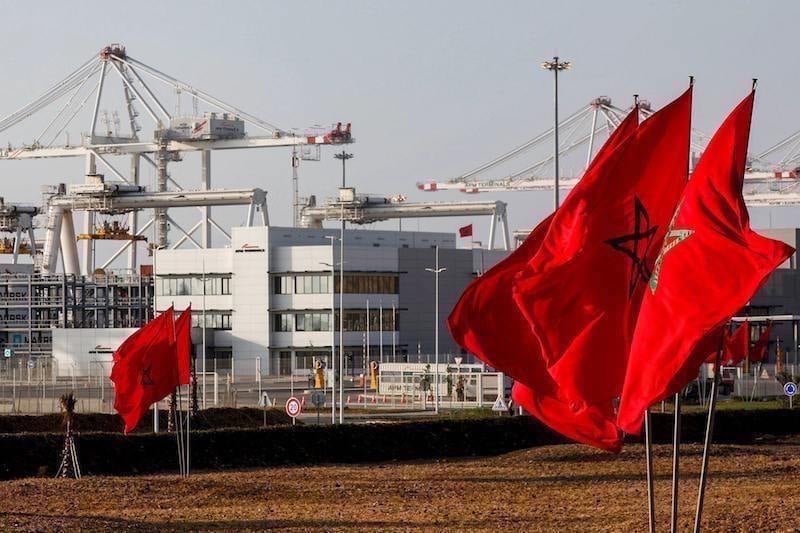
Morocco is expected to record 3.1 percent economic growth this year and 3.3 percent in 2025, according to the forecasts of the International Monetary Fund, issued Tuesday, in the latest update of global economic prospects.
This report, issued on the occasion of the spring meetings held by the International Monetary Fund and the World Bank in Washington (April 17-19), expects inflation to reach 2.2 percent in 2024 and 2.5 percent in 2025.
The unemployment rate is expected to reach 12 percent this year before falling slightly to 11.5 percent in 2025.
The International Monetary Fund expects the Kingdom’s current account balance to stabilize at minus 2.6 percent in 2024 and minus 2.9 percent in the following year.
Growth is expected to reach 2.8 percent in the Middle East and Central Asia region this year and 4.2 percent in 2025.
Growth rates in Sub-Saharan Africa are expected to reach 3.8 percent in 2024 and 4 percent in the following year.
The Bretton Woods Project, a civil society watchdog of the IMF and World Bank, expects global growth to remain at 3.2 percent in 2024 and 2025, considering that most indicators show that the global economy is “on the verge of a quiet decline.”
The Washington-based foundation highlighted that this growth remains uneven, given the many difficulties looming, including conflicts that “continue to cause loss of life and increase uncertainty.”
According to recent forecasts, growth between 2024 and 2025 will remain stable at about 3.2 percent. The average inflation rate will decline from 2.8 percent at the end of this year to 2.4 percent by the end of 2025.
The same source explained that the steadfastness of growth and the accelerated decline in inflation are due to the positive development of supply, especially “dissipating the impact of shocks” on energy prices.
This points to the impact of the noticeable recovery in the supply of the labor force supported by significant migration flows in many developed countries, as well as measures “ decisive” regarding monetary policy.
Despite these “positive” developments, the IMF noted that “many difficulties remain and decisive action must be taken,” expressing concern about high inflation rates and large disparities between low-income developing countries and the rest of the world.




add your comment
Terms of publication : Not to offend the writer, people, sacred things, or attack religions or the divine self, and refrain from racist incitement and insults.