
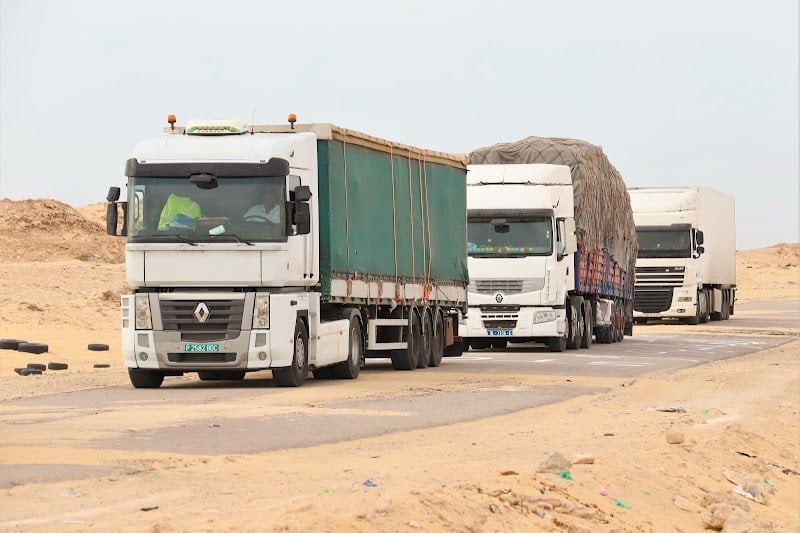
Spanish farmers protesting unfair competition intercepted 6 Moroccan trucks carrying vegetables and fruit on Tuesday, preventing them from reaching their intended buyers in France.
“We’ve spent all morning emptying six trucks full of produce from Morocco,” said farmer Jordi Ginebreda to AFPTV.
The demonstration included the symbolic act of throwing fruits and vegetables, like Moroccan green beans and tomatoes, onto the road.
Catalan farmers reignited their protest against “unfair competition” and challenging conditions in the agricultural sector.
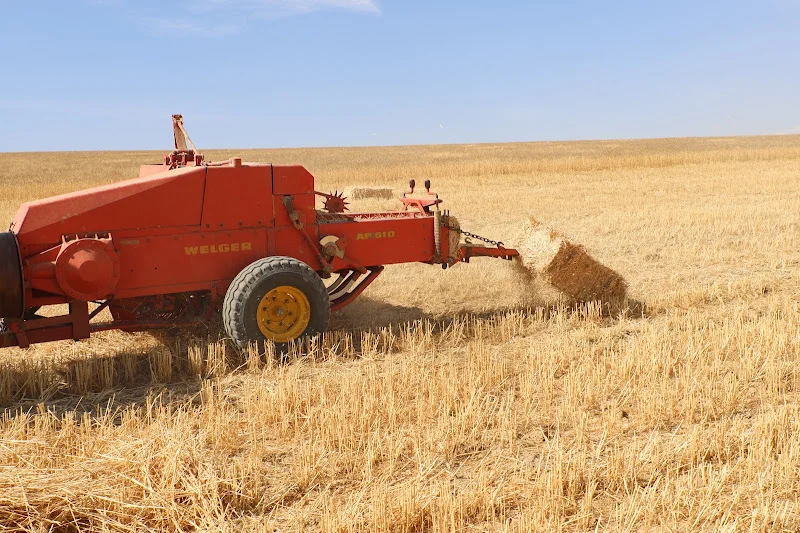
Approximately 100 tractors descended upon the AP-7 motorway near the French border, blocking traffic in both directions.
This action marks a continuation of their fight against what they perceive as unfair competition from outside the European Union.
Farmers argue that non-EU imports don’t have to adhere to the same strict regulations they do, and they demand the European Commission reduce red tape and address low income concerns.
This protest joins a wave of similar actions across Europe, where farmers have been vocal about restrictive environmental regulations, cheap imports, and low profits.
In response to the ongoing discontent, Spanish Agriculture Minister Luis Planas has pledged to advocate on behalf of farmers at the EU level.
Planas promised to push for simpler Common Agricultural Policy (CAP) regulations and ensure fair competition through mirror clauses that require imported produce to meet EU standards. He seeks to strengthen Spain’s legislation to prevent producers from selling at a loss.
On his part, Foreign Minister Nasser Bourita has fired back at recent criticism of Moroccan agricultural goods in the European Union and other Mediterranean countries, calling the claims inaccurate and unfair.
Bourita said that, contrary to popular perception, the European Union actually has a trade surplus with Morocco in agriculture, meaning they export more agricultural products to Morocco than they import.
The Foreign Minister stressed that free trade agreements should be mutually beneficial, not favor one side over the other.
“It’s not fair to put pressure on products from the South,” Bourita said, highlighting the importance of balanced trade partnerships.
He further clarified that Morocco did not receive unrestricted access to the EU market. Negotiations resulted in predetermined quotas and stringent phytosanitary standards, ensuring fair competition.
The Foreign Minister suggested that the recent focus on Moroccan goods may be driven by political considerations rather than genuine trade concerns.







add your comment
Terms of publication : Not to offend the writer, people, sacred things, or attack religions or the divine self, and refrain from racist incitement and insults.