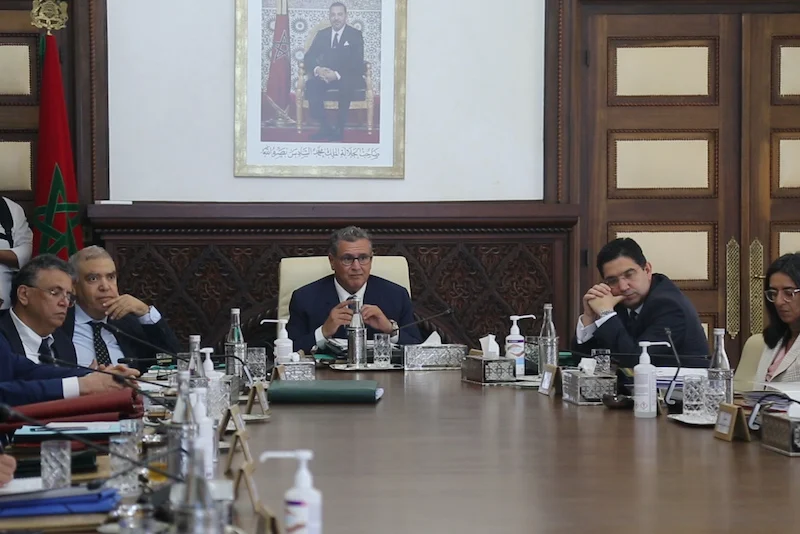
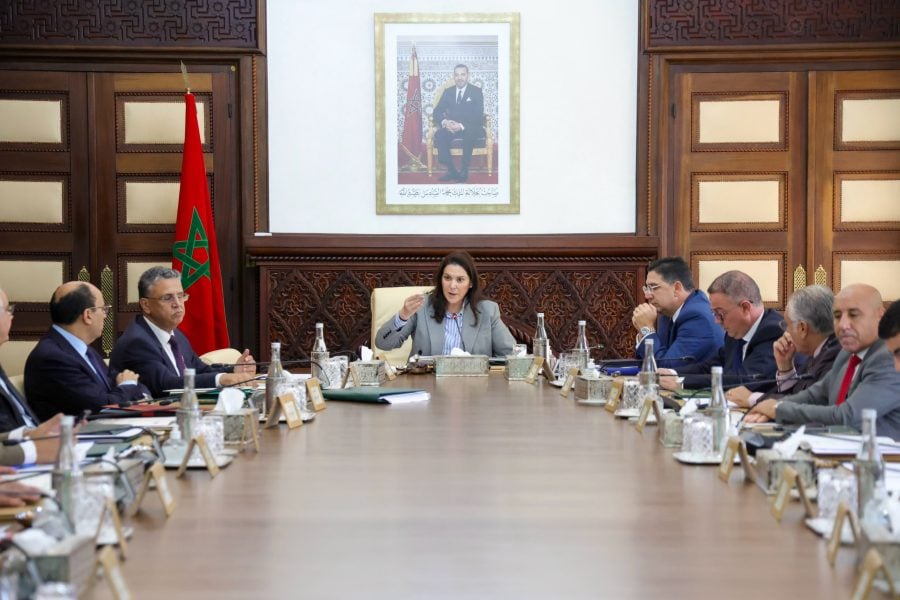
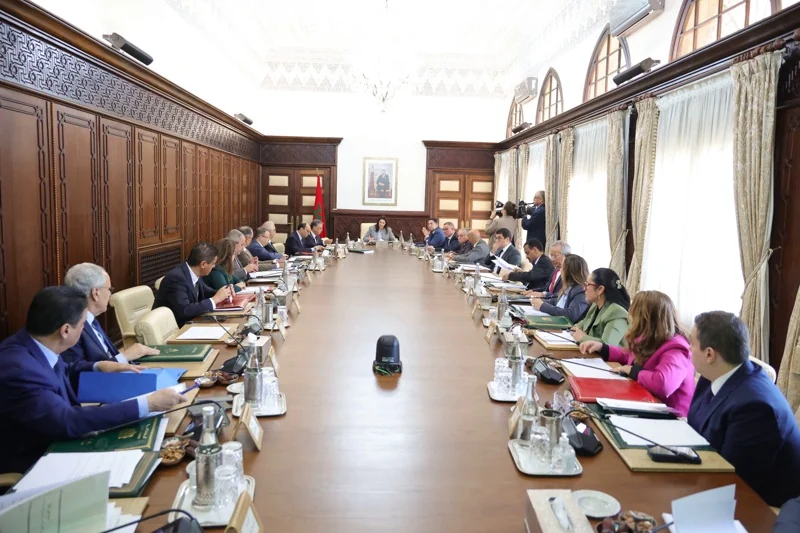
A cabinet reshuffle is highly anticipated in Morocco’s current government, a common practice typically carried out midway through a term.
This practice is prompted either by underperformance in certain government sectors, pushing for the removal of ministers who are not effectively fulfilling their duties, or by a gap between the political agenda of a particular sector and its impact on Moroccans’ lives.
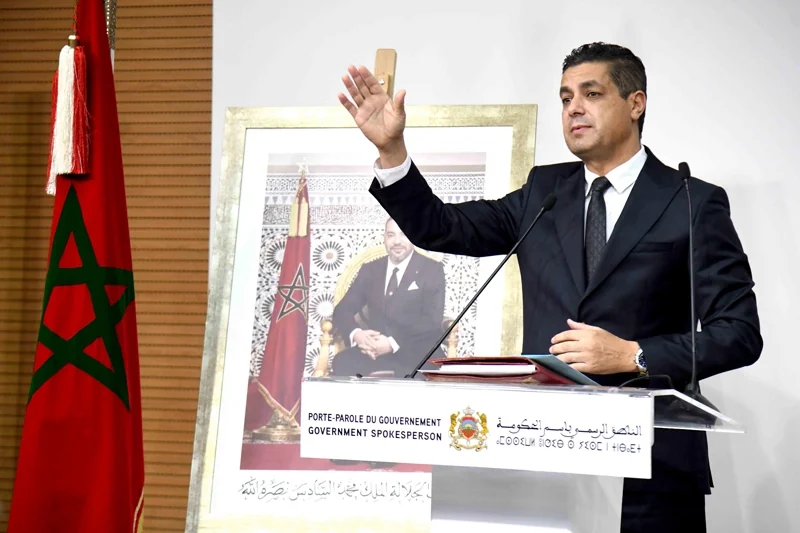
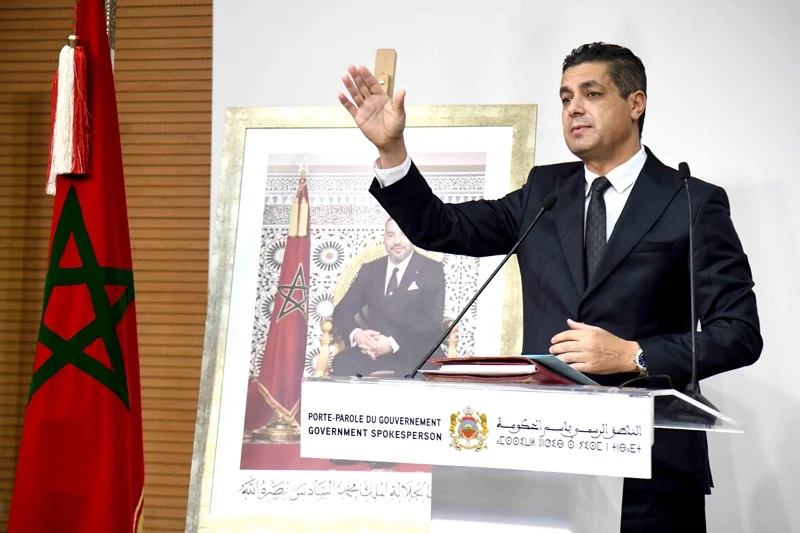
Mustapha Baitas, Minister Delegate for Relations with Parliament and Government Spokesman, previously stated that the governmental reshuffle is “a political and constitutional procedure that requires steps and conditions when available, we will proceed in it.” However, the picture is not yet complete, in the absence of a final official decision on this step.
An informed Hespress Ar source expected discussions about the government reshuffle to begin after the upcoming Independence Party conference. It also denied rumors about Aziz Akhannouch, the Prime Minister, starting consultations with the parties forming the majority to carry out the anticipated reshuffle.
The same source added that the cabinet reshuffle is a normal practice done to rejuvenate the government after the halfway point of the governmental term.
“Cabinet reshuffle remains exclusively the prerogative of the king upon a proposal from the head of government,” underscored Abdelhafid El Younsi, professor of political science and constitutional law.
He emphasized, “the importance of the reshuffle as a common practice in Moroccan political work when the government reaches the halfway point of its term, which makes it in need of new blood and new political practices that cannot be thought of in a purely managerial logic outside the political background.”
The expert also stressed the need for a fresh approach to governmental operations, citing “the lack of competence among some ministers who have demonstrated limited managerial ability and lacked the necessary skills to handle sensitive files.”
He suggested “reverting to the use of State Secretaries instead of delegate Ministers, as State Secretaries work with a “micro” logic focusing on one of the sectors, whereas a minister oversees multiple sectors.”
El Younsi also criticized the performance of many ministerial sectors, including the Ministry of Employment, which has presided over a high unemployment rate, as per official figures from HCP.
He also demanded new ministers with “depth and charisma to replace those who are absent from the channels of political communication.”
Abdelhamid Benkhattab, analyst and academic stated that after one and a half years, it is time to evaluate the performance of the government and make changes if necessary.
“The period was sufficient for some imbalances to appear that required the government team to change,” he believes, adding that “some ministers have not been able to integrate politically or adapt to the pace of development,” and they should be replaced.
Benkhattab said that the changes are technical rather than fundamental and that any new minister must assure continuity.
The expert underscored that the government team’s internal front needed to be strengthened in terms of competency, political understanding, and the character of democratic competition.



add your comment
Terms of publication : Not to offend the writer, people, sacred things, or attack religions or the divine self, and refrain from racist incitement and insults.