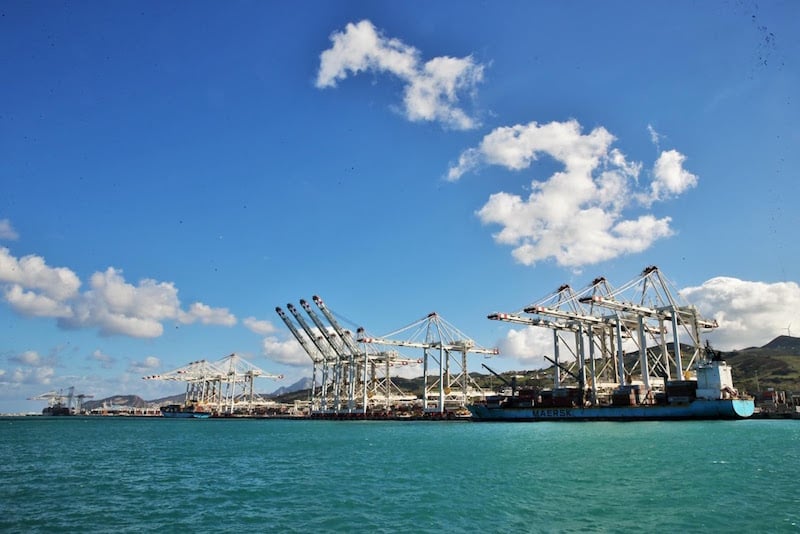
The national economy is projected to experience a 2.9% growth in 2023, compared to a 1.3% growth last year, considering a 1.5% rise in taxes and subsidies, according to Morocco’s statistics office (HCP, Haut-Commissariat au Plan ).
This upturn is attributed to a relative enhancement in agricultural output and the consolidation of tertiary activities, despite persistent drought, reduced foreign demand, and ongoing inflationary pressures, as outlined in the HCP’s 2024 Provisional Economic Budget.
The 2022-2023 agricultural season unfolded under generally adverse weather conditions, marked by inadequate rainfall and thermal fluctuations. The cereal harvest is estimated at 55.1 million quintals (1 quintal = 100 kg), a 62% increase from the prior season yet a 15% decline from the five-year average. Meanwhile, other non-cereal crops exhibited moderate growth.
Conversely, livestock farming faced challenges due to recurring droughts and heightened production costs, prompting an uptick in livestock imports. Consequently, agricultural value added is anticipated to rise by 6% in 2023, rebounding from a 12.9% dip in 2022.
With a 19.1% surge in the maritime fishing sector, the primary sector’s value added is predicted to escalate by 6.7% in 2023, contributing positively by 0.7 points to the Gross Domestic Product growth.
Despite robust tertiary activity, non-agricultural sectors are expected to marginally slow to 2.7% from 3% in 2022, primarily affected by the underperformance of the secondary sector, anticipated to decline by 0.4% in 2023, an improvement from the 1.7% drop in 2022.
Manufacturing activity is forecasted to grow by only 0.6% in 2023, compared to 0.3% the previous year. This is chiefly attributed to a 4.1% decrease in the chemicals industry due to reduced phosphate fertiliser production. Additionally, the food processing and textile industries experienced slower growth due to increased production costs.
Conversely, the transport equipment industry is expected to maintain momentum in 2023, benefiting from electronic components and electrical wire and cable manufacturing, alongside enhanced semiconductor supplies.
The mining sector is anticipated to contract by 4.2% following a 9.4% decline in 2022, reflecting reduced rock phosphate production and diminished local and foreign demand amid nearly stagnant international prices.






add your comment
Terms of publication : Not to offend the writer, people, sacred things, or attack religions or the divine self, and refrain from racist incitement and insults.