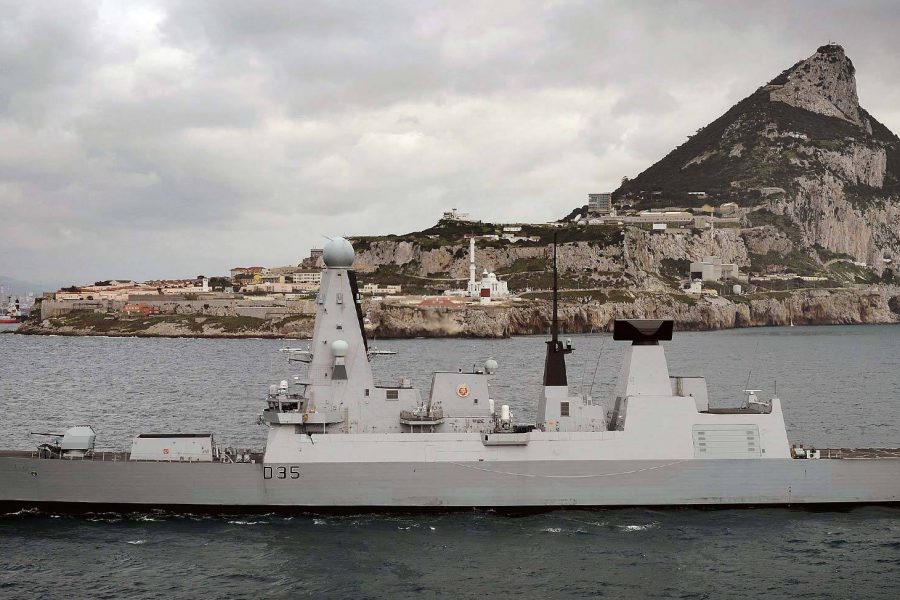
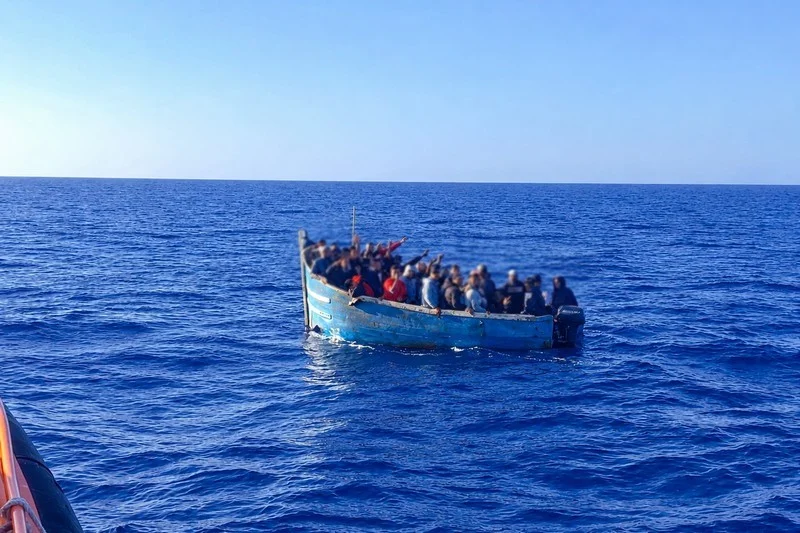
Morocco’s Royal Navy ramped up in late 2023, operations to deter migration from sub-Saharan Africa towards the Canary Islands, with December marking numerous migration attempts, coinciding with the imminent opening of the sea line between the Canary Islands and Las Palmas.
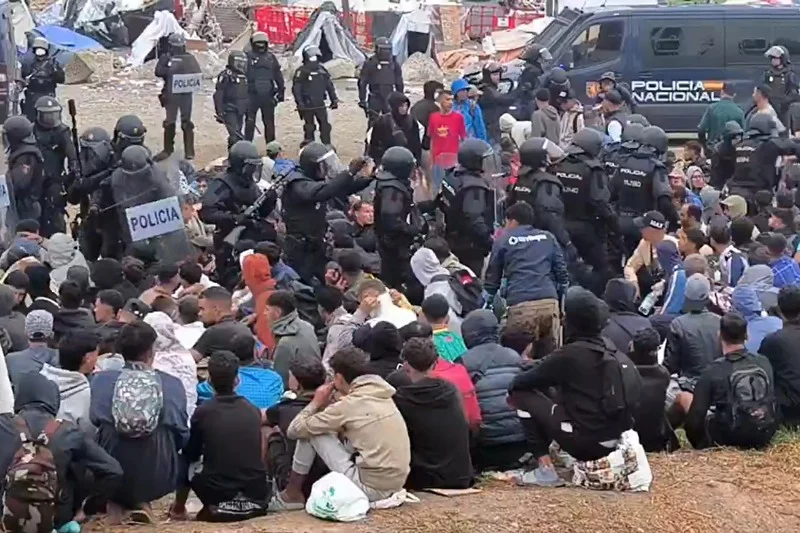
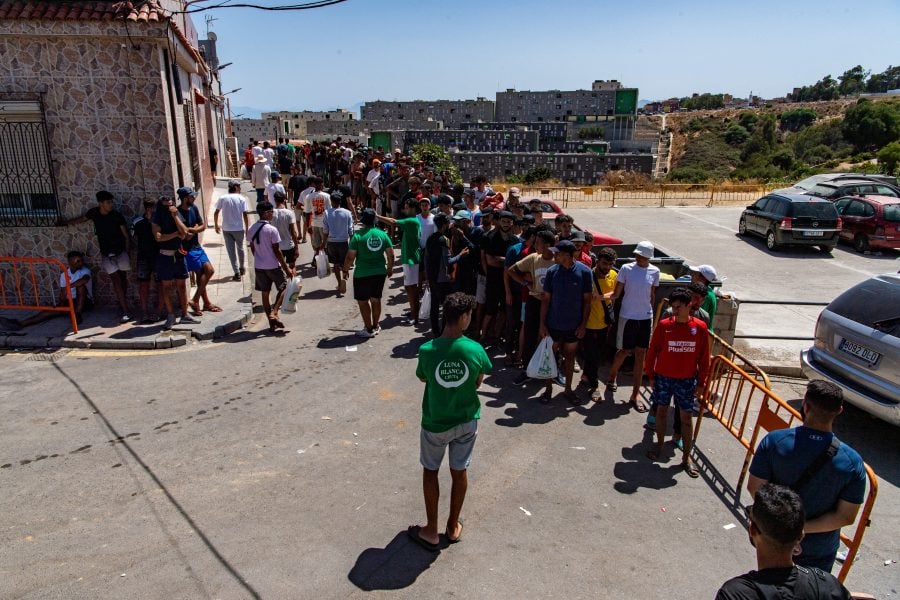
Island authorities openly acknowledged Morocco’s pivotal role in deterring migration, especially following increased exploitation upon tightening surveillance at the Ceuta and Melilla borders.
The long-awaited sea line’s reopening since 2008 is anticipated to bolster Moroccan-Spanish coordination in combatting migration, primarily originating from sub-Saharan African Sahel countries.
Year-end, witnessing a surge in migration operations towards Spain, highlighted the crucial role played by Morocco in the face of relaxed monitoring post-Christmas and New Year celebrations.
Abdel Fattah Zein, coordinator of the African Network for Migration and Development, views the impending connection between Morocco and the Canary Islands, primarily commercial, as a disruption to migration processes.
Zein emphasized that Royal Navy operations would fortify the connection’s security, attributing increased migration flows to the restricted Ceuta and Melilla crossings following their closure.
Highlighting bilateral cooperation’s success in quelling irregular migration, the African Network for Migration and Development’s coordinator credited Morocco and Spain for dismantling migration networks at departure, transit, and destination levels.
Despite successful cooperation, there’s a need to activate the African Migration Charter. Migrants from sub-Saharan countries persist, necessitating increased efforts in cooperation between Madrid and Rabat, emphasizing the Charter’s activation.
Migration researcher Hassan Bentaleb doubted the trade line between Tarfaya and Morocco would reduce migrant numbers. He noted that immigration persists due to the immigrants’ home country conditions, as seen in past trade exchanges between northern cities and Ceuta/Melilla ports without reduced immigration.
Bentaleb highlighted immigrants’ origins in politically, socially, and economically tense sub-Saharan African countries, exploiting the Spanish forces’ relaxed surveillance during New Year’s.
Furthermore, Bentaleb attributed decreased traffic at Ceuta and Melilla crossings, enforced by Morocco during Covid-19, as another reason for migration thwarting operations.






add your comment
Terms of publication : Not to offend the writer, people, sacred things, or attack religions or the divine self, and refrain from racist incitement and insults.