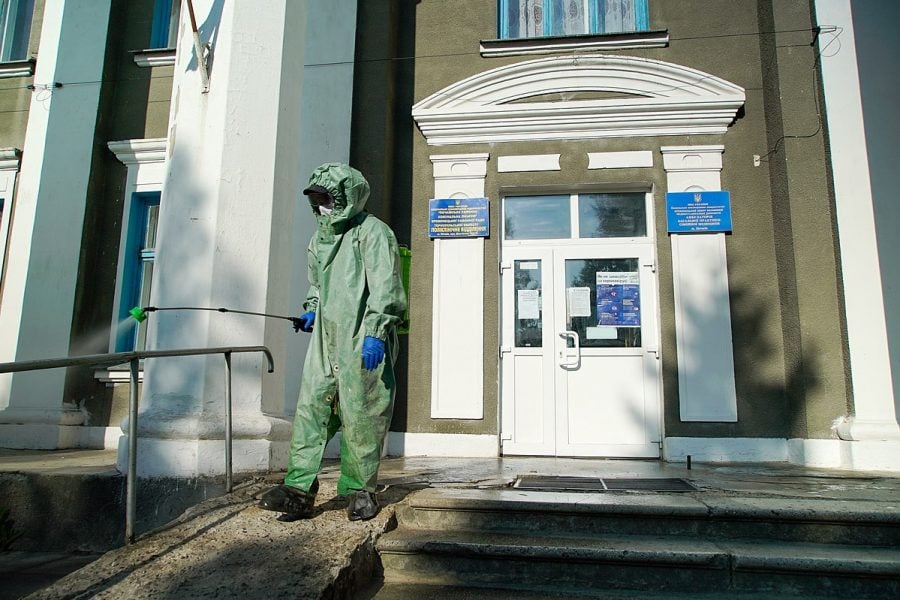
The recent emergence of a new COVID sub-variant, JN.1, is causing heightened concern within the medical community and among the general public.
So far, cases of the new JN.1 variant has been identified in several countries, including the US, various European countries, Singapore, China, India, Indonesia, Malaysia, and the Philippines.
Singapore reported over 56.000 cases between December 4 and 10, witnessing a surge in hospitalization especially among those aged 60 and above.
Indonesia registered a 13% increase in Covid cases compared to November, with Jakarta averaging 200 cases daily.
Malaysia witnessed a doubling of Covid cases rising from 6796 in late November to nearly 13.000 by December 10.
JN.1 exhibits a distinct characteristic, with a singular mutation in its spike protein compared to its precursor Pirola.
This slight genetic alteration is thought to enhance its transmissibility and may pose challenges to the immune responses triggered by vaccinations or previous infections, according to preliminary studies.
Researchers are drawing parallels between JN.1 and other robust Omicron subvariants known for their high infectiousness.
While early indications suggest similarities, it remains uncertain whether JN.1 surpasses the transmissibility of the Omicron variant.
The symptoms associated with JN1 are similar to those of other sub-variants of COVID-19. Individuals with JN1 may experience a range of symptoms, including a sore throat, runny nose, cough, fatigue, headache, muscle ache, fever/chills, and loss of taste or smell. T
The Centers for Disease Control and Prevention (CDC) in the United States has noted a concerning uptick in JN.1 cases, raising the possibility that it may become the predominant COVID strain in the coming weeks.
In the CDC’s most recent estimates, instances related to this mutation range between 15% and 29% of COVID-19 infections, representing a noticeable increase from the previous estimate of 8% of cases.
The World Health Organization (WHO) has designated JN.1 as a “variant of interest,” indicating that it may impact the spread or characteristics of the virus.
However, the WHO stated that, at present, there is no conclusive evidence suggesting an immediate additional public health threat from JN.1.
As a precautionary measure, health officials stress the continued importance of vaccination and booster shots in providing protection against the variant.
Adhering to preventive measures such as wearing masks, maintaining physical distance, practicing regular hand hygiene, and undergoing COVID testing remains crucial in mitigating the spread of the virus.
The CDC stressed the urgency of ongoing surveillance, particularly as JN.1 has been reported in multiple countries. In just a few weeks, the variant has seen a significant increase, accounting for more than 20% of COVID-19 cases in certain regions.





add your comment
Terms of publication : Not to offend the writer, people, sacred things, or attack religions or the divine self, and refrain from racist incitement and insults.