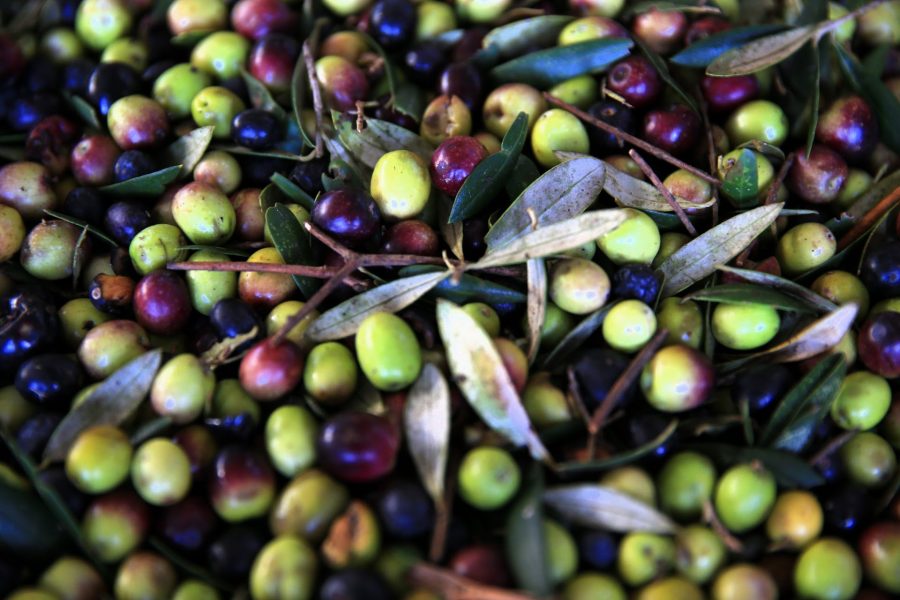
Olive oil production in Morocco has reached a new low while prices continue to skyrocket, affecting both consumers and professionals in the industry.
One aspect that frequently goes unnoticed is the toll the current situation takes on the people who work in associations responsible for olive oil production.
Because of the significant low olive production, many Moroccan associations have found themselves compelled to reduce the number of employees.
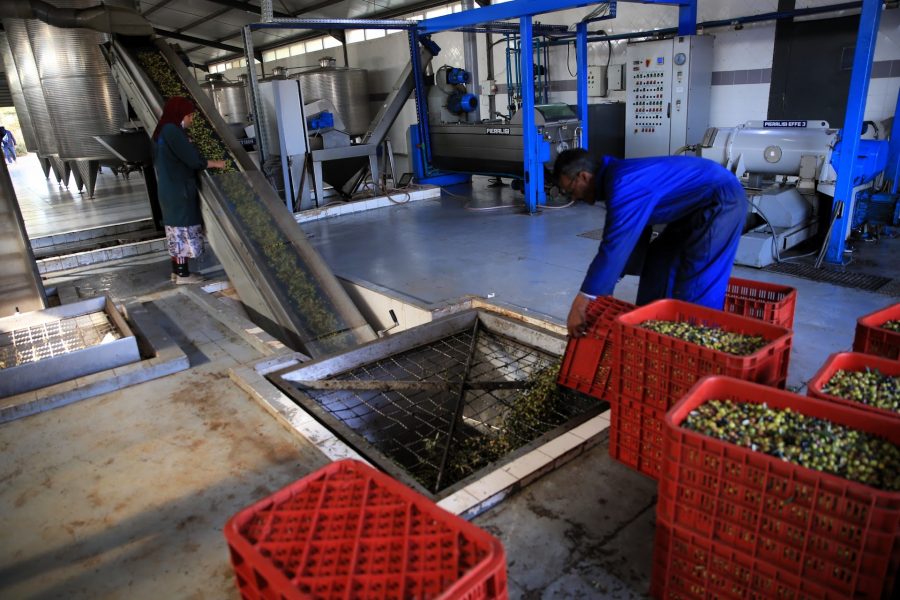
Abdelghani Ibtihaj, the President of the Mohammedia Agricultural Cooperation in Skoura, 40 kilometers away from Ouarzazate, confirmed to Hespress EN that they were obliged to reduce the workforce due to the current circumstances.
“This year, we will only have two employees, unlike last year when there were five,” said Ibtihaj commenting on the impact of low production of olive oil on individuals.
He mentioned that this year’s production decreased almost by two-thirds compared to last year, which will affect the cooperation in various ways.
The President of the Mohammedia Agricultural Cooperation highlighted that the production rate of olive oil has been annually decreasing.
“There won’t be any stock of olive oil for the cooperation. If there is any, it will be only one ton, unlike last year when there were five tons, and the year before that when there were 16 tons,” concluded Ibtihaj, in the interview with Hespress EN.
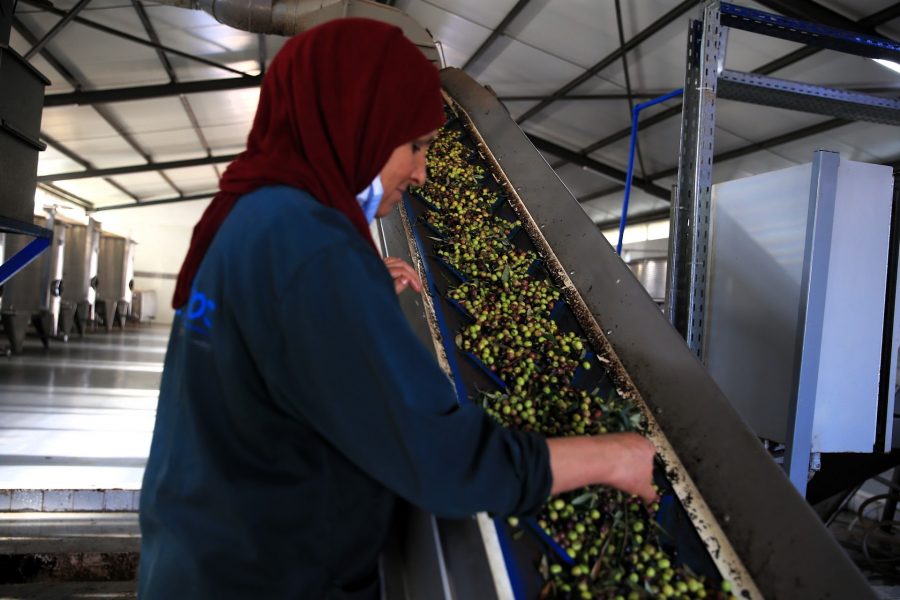
Abdelkarim Nazi, the President of the Al Karama Agricultural Cooperative, also confirmed to Hespress EN that they were compelled to reduce the number of employees to adapt themselves to the current circumstances.
“There is a shortage of between 30% to 40% in the seasonal workforce,” said Nazi.
He explained that when the production of olive oil is low, job opportunities will be also limited compared to normal seasons.
He also attributed the reduction of the workforce to olive oil season duration. “When the season duration is long, this creates more job opportunities to meet the demand.”
Nazi said that the olive oil season was noticeably brief in both this year and the previous year.
The President of the Al Karama Agricultural Cooperative mentioned that the number of seasonal workers used to be between 15 and 20, but due to the current circumstances, there will only be 8.
“We are witnessing an exceptional year, as it is the third consecutive year, we are facing this production issue. It has been caused by excessive heat during the last April and a lack of rainfall and irrigation water,” explained Rachid Benali, President of the Moroccan Confederation of Agriculture and Rural Development, in a statement to Hespress EN.
He stated that all countries in the western Mediterranean are experiencing these climatic uncertainties, which results in a shortage of production and subsequently the prices of olive and olive oil skyrocketed.
For example, in Spain, prices have increased from an average of 4 euros to 9 euros for wholesale sales. In Morocco, the prices are expected to stabilize at around MAD 80 to MAD 85.
He highlighted that “the estimates for this year indicate production of 1 million tons of olives, compared to an average of 2 million tons.”
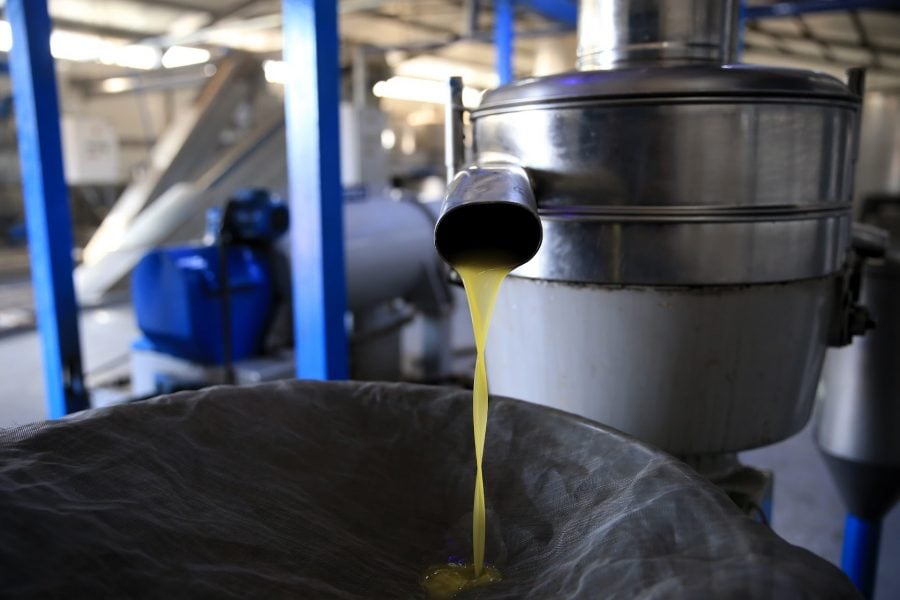
In response, the Moroccan government has recently implemented restrictions on the export of olives and olive oil to control prices domestically.
The Ministry of Agriculture, Fisheries, Rural Development, Water, and Forests, recently indicated that the expected olive production rate will decline by 44% compared to the fall 2021 production.
The decrease in production is primarily seen in regions such as Marrakech-Safi, Oriental, and Beni Mellal-Khenifra, by -42%, -17%, and -10, respectively.
The ministry attributed the decrease in olive production this year to the continued drought in the past two seasons, causing continuous water stress in different production regions to varying degrees.
Furthermore, the April heatwave had a significant impact on olive orchards in various regions, negatively impacting the harvest. Cold weather had a negative impact in certain areas of the Eastern region, particularly in Taourirt province.






add your comment
Terms of publication : Not to offend the writer, people, sacred things, or attack religions or the divine self, and refrain from racist incitement and insults.