
Morocco’s avocado export season has ended with a significant decline in both production and shipments, according to industry estimates.
Exports exceeded 50,000 tons, while total production did not surpass 70,000 tons, marking an overall drop of around 50% compared with the previous season, which saw record levels.
Abdellah El Yamlaahi, head of the Moroccan Avocado Association, said the 2025–2026 season was “extremely difficult” for producers, citing lower yields and reduced export volumes.
“The figures show a clear decline in productivity and quantities directed to foreign markets compared to last season’s exceptional performance,” he said.
El Yamlaahi attributed the downturn mainly to adverse weather conditions, particularly the hot, dry “Chergui” winds that affected farms during the summer and reduced crop yields.
Moroccan avocados also faced stiff competition in European markets from suppliers including Israel, Dominican Republic, Chile, Peru and Spain, although competitive pressure eased later in the season.
Export activity was further disrupted during the winter due to temporary closures at Tangier Med Port caused by bad weather, delaying shipments to European clients.
Producers are now looking ahead to the next agricultural season, with orchards currently in the flowering stage and expectations of improved yields if conditions remain favorable.
Avocado farming has expanded significantly in recent decades, particularly in the regions of Tangier-Tetouan-Al Hoceima and Rabat-Salé-Kenitra, driven by increased investment.
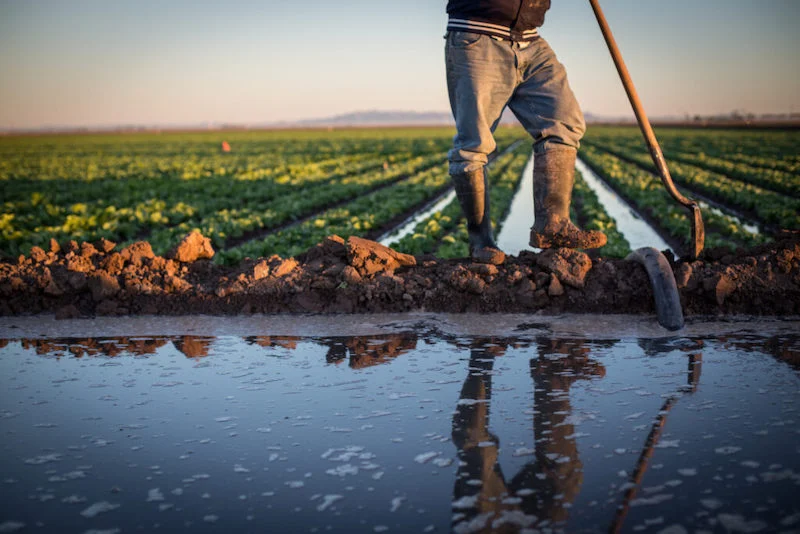
El Yamlaahi also rejected claims that avocado cultivation is excessively water-intensive, saying its consumption is comparable to other crops grown in Morocco and is largely concentrated in areas that do not face severe water shortages.




add your comment
Terms of publication : Not to offend the writer, people, sacred things, or attack religions or the divine self, and refrain from racist incitement and insults.