
The Moroccan House of Representatives has approved on Tuesday the draft alternative penalties law.
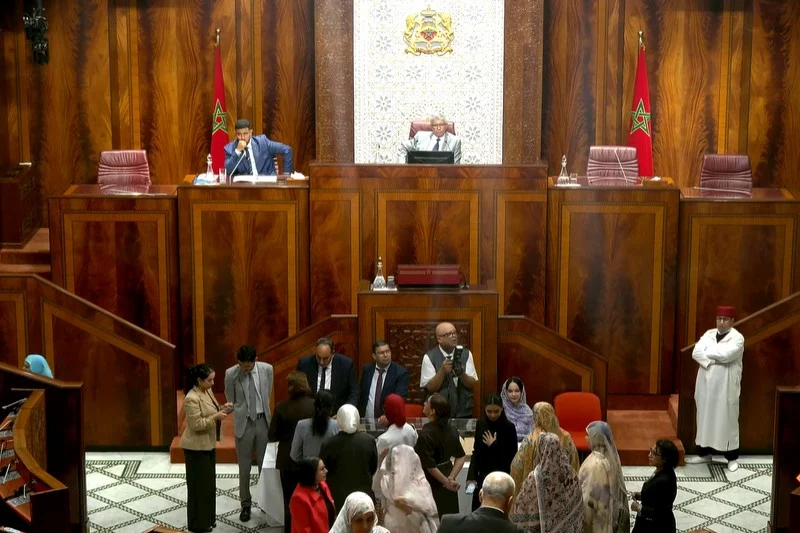
This approval came during a legislative session in the House of Representatives devoted to studying and voting on two draft laws related to alternative punishments and the management of prison institutions.
115 representatives voted on the aforementioned draft law, compared to 41 opposing votes and 5 abstaining.
The legislative session witnessed a discussion about the amendments submitted by the parliamentary teams to the aforementioned draft law, and a number of them sparked controversy, including the majority amendment related to “purchasing a prison sentence,” a measure that was passed and defended by the Minister of Justice, stressing that it serves justice.
Representatives also criticized setting five years in prison as a ceiling for penalties for crimes in which alternative punishment is applied, and warned against removing the deterrent function of prison, while others considered that five years is “a period that is critical to public security, and encourages people to enter the world of crime.”
To avoid “taking away the gift of the prison institution,” representatives from the opposition called for determining alternative penalties within the limits of misdemeanors that do not exceed two years instead of five years in prison, taking into account the rights of the victims, stressing that this measure will be in the interest of the success of the alternative penalties project, with the expectation that society will accept the vision of a criminal. He caused harm to a free citizen.
Wehbe insisted on not accepting a number of amendments that MPs considered important, and they were surrounded by a heated debate within the Justice, Legislation and Human Rights Committee.







add your comment
Terms of publication : Not to offend the writer, people, sacred things, or attack religions or the divine self, and refrain from racist incitement and insults.