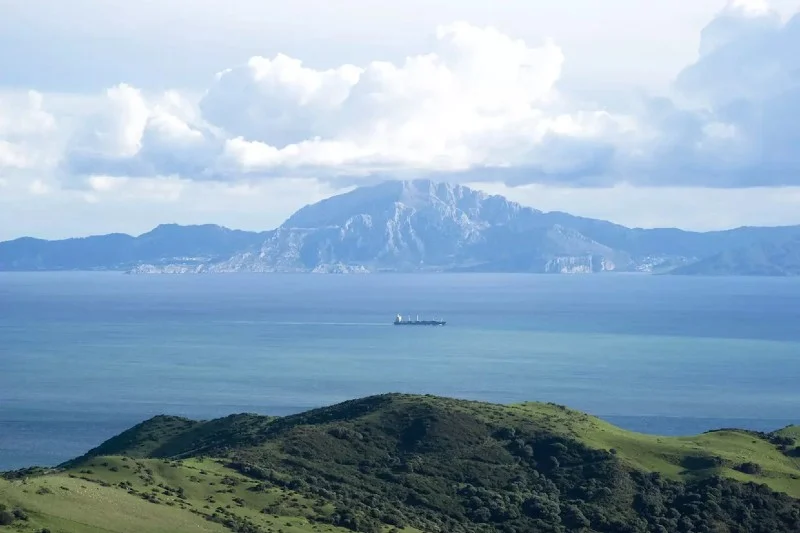
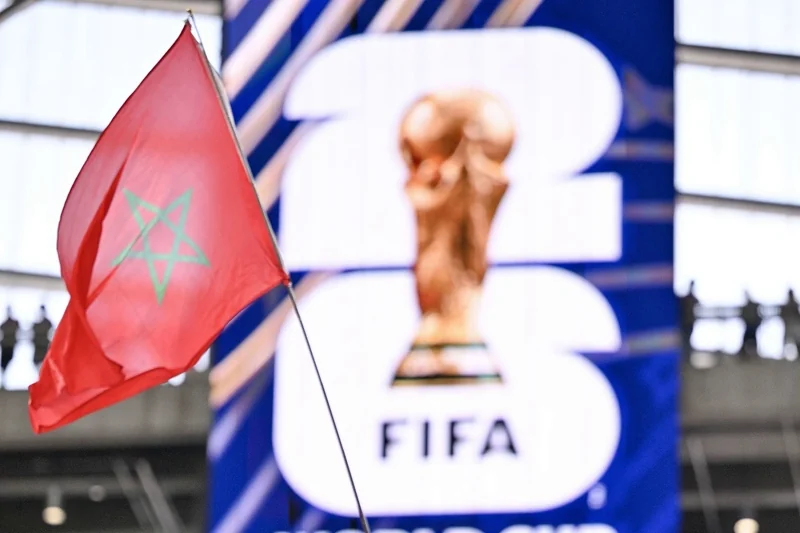
The Strait of Gibraltar project, which aims to link Morocco to Spain via submarine tunnel is back on the table, following the latest announcement by FIFA about the successful Morocco-Spain-Portugal World Cup 2030 bid.
The 40-kilometer tunnel that will link the two countries seems to play a pivotal role in the success of the World Cup 2030 and reshaping the economic and regional landscape.
The tunnel seems of strategic importance, as it will facilitate seamless travel and logistic operations among the three hosting countries, and link the African continent to the European one.
While the prospect of this project seeing the light of day by 2030 is highly anticipated and much-needed, it is important, on the other hand, to take into account the economic factors or challenges that decelerate the realization of this bridge.
Amine Sami, a Strategic Expert in Economy, told Hespress EN that the successful completion of this project by 2030 is contingent on various factors.
“In order for the project to be ready by 2030, it is linked in particular first to the cost of technical studies, to the amount of funding, to the companies that will work on this project, and to respective countries’ economies,” explained Sami.
The expert highlighted that the realization of the 40-kilometer tunnel that links Morocco to Spain is also contingent on the economic challenges that the country is grappling with, especially the repercussions of the pandemic, inflation, and the devastating earthquake.
He emphasized that Morocco recently endured a harrowing earthquake and is still in the process of recovery.
“The country is suffering from the lingering repercussions of COVID-19, drought, inflation, high of interest rates, and the earthquake. All these factors play a role in impacting the economic landscape of the country,” Sami explained to Hespress EN.
However, the potential benefits of this ambitious project are substantial. If constructed, it will position Morocco as a regional powerhouse on the African continent, especially in the logistics sector.
Sami underscored, “If this project saw the light of day, Morocco would be a regional hub on the African stage. It will enhance the volume of economic exchange between the African continent and the European Union.”
He insisted that the tunnel would lead to tangible economic growth for both countries.
The expert said, “If this bridge is constructed and the necessary construction conditions are available to be completed before 2030, the volume of entrances to the two countries will contribute, in approximation, to a significant increase in trade exchanges,” adding, “It will revive the national economy.”
He even emphasized that tunnel completion before the World Cup 2030 edition will breathe new life into the tourism sector, facilitate visits between the two countries, and bring hard currency.
Sami said, “It will revitalize travel between the two countries and will contribute to bringing in hard currency, and thus we will revive tourism, especially since It will be built near Tangier where World Cup matches will be played,” emphasizing that this tunnel “will make Tangier an importance international and regional hub.
The Strait of Gibraltar idea dates back to 1979 with the signing of the Spanish-Moroccan joint declaration. It aims to link Africa and Europe by train, passing under the Strait of Gibraltar.
The two countries were set up to study its feasibility, which resulted in a great deal of drilling, research, and testing during the previous 40 years.
The project was put on hold due to numerous diplomatic issues between the two countries, despite receiving ample funding from organizations like the World Bank, European Investment Bank, and African Development Fund.
Recently, Madrid obtained new funding from the European Union, worth 2.3 million euros in order to study the feasibility of the project, within the framework of an agreement between the Spanish Ministry of Transport and the Spanish Association for studying fixed connections across the Strait, to analyze the possibility of establishing a tunnel to connect the two countries with a high-speed railway network.
Officials from both countries, including the Moroccan Head of Government, Aziz Akhannouch, and his Spanish counterpart, Pedro Sánchez, have expressed their commitment to turning this long-standing dream into a reality, given the geographic proximity and economic opportunities that make this tunnel valuable for both Europe and Africa.
The readiness of Morocco’s infrastructure
As the Kingdom of Morocco is preparing to host the 2030 World Cup edition, the readiness of the country’s infrastructure for this important event is brought to the forefront.
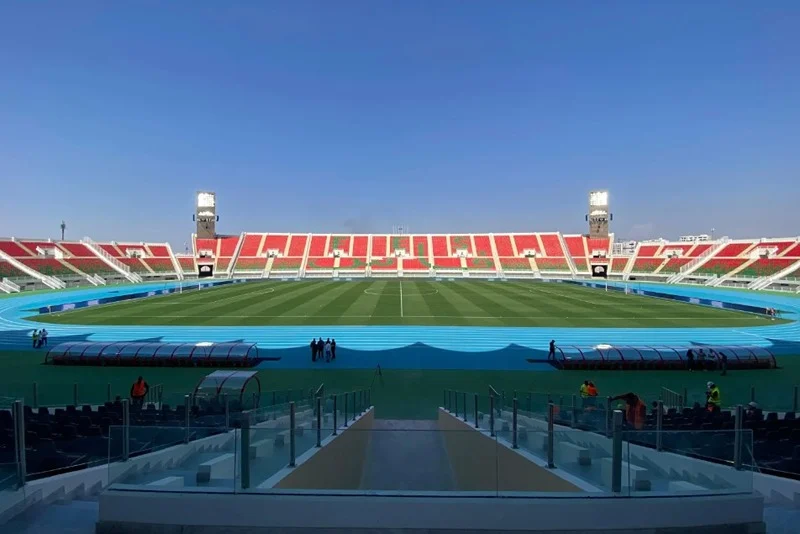
The country previously promised to develop sports infrastructure through the construction of 8 stadiums with international specifications.
The construction of these stadiums has been delayed for years after several previous attempts to host the World Cup, with most of them scheduled to be completed by 2024, 2025, and 2026 at the latest.
Faouzi Lekjaa, President of the Royal Moroccan Football Federation, announced today on Radio Mars that “For Morocco, some have been selected, while decisions are still pending for others. The known cities include Agadir, Casablanca, Marrakesh, Rabat, Tangier, and Fez.”
These stadiums include the yet-to-be-built Grand Casablanca Stadium, which the Moroccan Ministry of Sports confirmed will have a capacity of up to 93,000 seats.
This stadium is considered one of the projects that Morocco has relied on during its bids to host the finals in the 1998, 2006, 2010, and 2020 tournaments, has not seen the light of day until now.
The Tangier Stadium has been in the phase of renovation in the past year, for $61.6 million. The development aims to increase its seating capacity from 44,5000 seats to 65,000 seats by adding new stands on the north and south sides.
Morocco embarks on enhancing the sports infrastructure of other football stadiums, starting with the renovation of the Prince Moulay Abdellah Stadium, Rabat. The renovation will also include the Mohammed V Stadium in Casablanca shortly. They will undergo repairs and upgrades to meet modern and international standards.
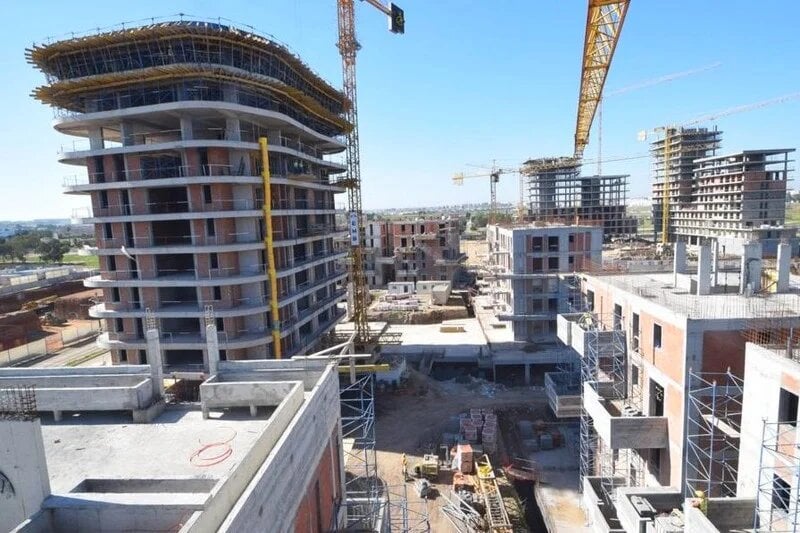
With the construction of new hotels and enhancements to its road and transportation systems, including the extension of its high-speed train network, Morocco is modernizing its infrastructure to welcome World Cup 2030.
It seeks to expand the high-speed rail system linking Agadir and Marrakech to other cities.
Morocco’s High-Speed Train, successfully completed its trial from Casablanca to Marrakech, reaching a speed of 80 kilometers per hour. The trail was conducted on regular railways, and its speed will gradually increase to 120 kilometers per hour and eventually to 160 kilometers per hour.






add your comment
Terms of publication : Not to offend the writer, people, sacred things, or attack religions or the divine self, and refrain from racist incitement and insults.