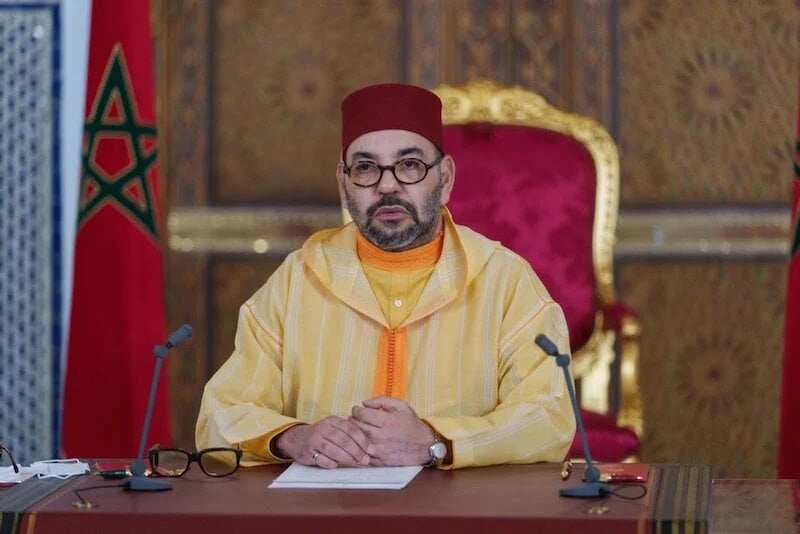
In a departure from tradition, the annual speech delivered by King Mohammed VI on the evening of August 20 to commemorate the revolution of the king and the people has been canceled.
The decision, announced by the official spokesperson for the royal palace, is attributed to its proximity to the throne speech and the royal speech for the opening of parliament. This move holds several implications and symbols, signifying a dynamic approach to communication within the royal institution.
Mohamed Bouden, head of the Atlas Center for Indicator Analysis said in an interview with Hespress that the cancellation underscores the palace’s commitment to addressing various issues and acting as a catalyst for development processes in society and institutions.
Bouden further asserts that the royal speeches are a reflection of the Moroccan kings’ style in engaging with the nation’s internal affairs and international relations. As such, they are adapted to align with expectations and offer viable solutions.
Since assuming the throne, King Mohammed VI has implemented various changes to the royal palace’s communication strategy.
These changes include reducing the duration of his speeches on official occasions, sometimes lasting only a few minutes. The palace has also started issuing reports on the king’s health.
The decision to cancel the speech commemorating the revolution is seen as a shift in approach and a reassessment of previous practices. By announcing this development two months in advance, the palace adopts a proactive approach to preempt any misinterpretations or ambiguity.
Bouden argues that the cancellation can be viewed as a testament to the palace’s conviction and a practical philosophy that prioritizes focused and qualitative communication.
He further notes that the significance and strategic value of the upcoming Throne Day speech necessitate more extensive engagement from institutions, stakeholders, and citizens to fully realize and activate its contents. Having two speeches within a span of 20 days, amidst the political and social holiday, calls for this reevaluation.
This decision marks not the only occasion that will continue without a royal speech. The kings of Morocco have previously abstained from addressing the Moroccan nation on religious and national occasions, such as Independence Day and Youth Day. These events proceeded without a royal speech.



add your comment
Terms of publication : Not to offend the writer, people, sacred things, or attack religions or the divine self, and refrain from racist incitement and insults.