Italy, the United States, Belgium, and Japan all launched new initiatives in developing nations within the framework of the climate financing funding, investing a combined $2.6 billion, according to Reuters.
The projects include a hotel in Haiti, a movie in Argentina, a coal plant in Bangladesh, an airport expansion in Egypt and chocolate shops across Asia.
Wealthy countries agreed to dedicate $100 billion in grants, loans, and private sector investments under the Paris climate agreement. This commitment was made first in 2009 and then again in 2015.
Nations have yet to fulfill their promise more than ten years after the first pledge was made. Developed countries missed the $100 billion target by $16.7 billion in 2020 and are anticipated to do so once again when contributions for 2021 and 2022 are totaled, according to OECD.
“The governments funding the projects reported these initiatives to the UN as attempts to battle global warming. This is because the pledge did not include any explicit definitions of what constitutes climate funding”, according to Reuters.
The nations defended these initiatives as green and sustainable. Japan regarded the airport projects as environmentally friendly due to usage of green technology or sustainable elements.
“The hotel project, according to the United States, is regarded as environmentally friendly because it has stormwater management and hurricane protection features.
Belgium included the movie in its calculations of climate finance because it mentions deforestation.”
Countries are not compelled to reveal project details, and frequently just give ambiguous descriptions of the projects they fund.
Developing countries are being pushed to embrace more environmentally friendly energy sources. Many of these countries experience negative effects of global warming, such as rising sea levels, drought, and extreme weather.
The Earth’s increasing warming is mostly attributed to wealthy nations and the carbon they have generated to fuel their economies.
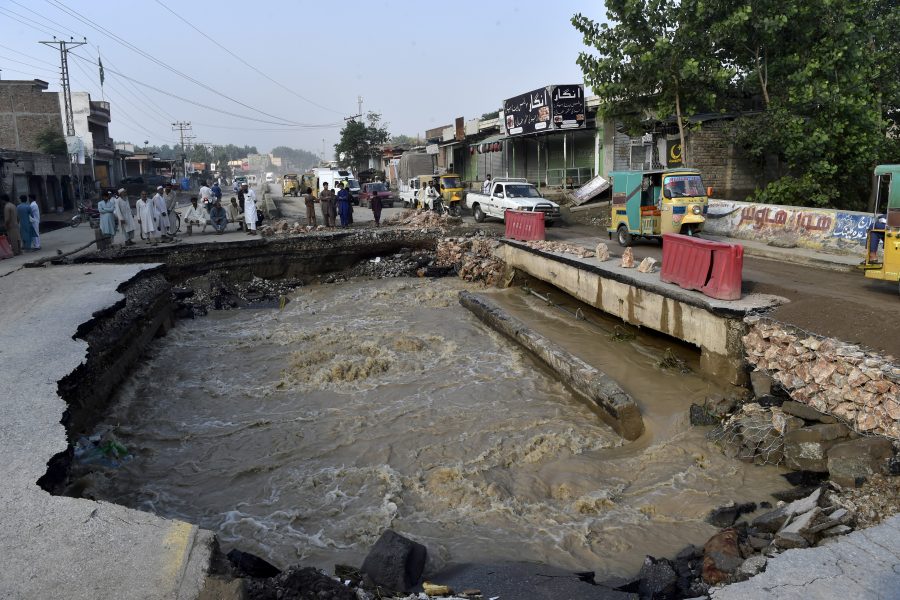
The last eight years have been the warmest on record. In 2022, historic floods drowned a third of Pakistan and claimed at least 1,700 lives. In the worst drought in decades, millions across Africa are in danger of going hungry, according to a warning issued in January by the World Meteorological Organization.




add your comment
Terms of publication : Not to offend the writer, people, sacred things, or attack religions or the divine self, and refrain from racist incitement and insults.