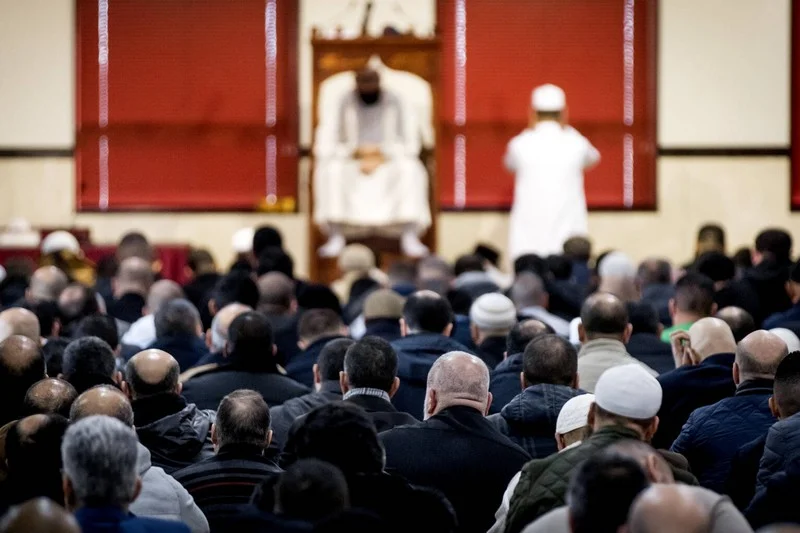
The US Department of State’s recent International Freedom Report said that Morocco, despite celebrating a constitution that guarantees the right to “practice religious affairs” freely, has yet to fully uphold the principle of religious freedom,
The report, released on May 15, highlighted that despite Moroccan law permitting the registration of religious groups as associations, certain minority religious groups claimed that the government delayed or denied their applications.
The report mentioned instances such as when a blogger was sentenced to jail for insulting Islam and another where 80 persons got arrested for public eating during Ramadan in Casablanca.
“Representatives of minority religious groups said they practiced their faiths discreetly principally out of fear of societal harassment, including ostracism by converts’ families, social ridicule, employment discrimination, and potential violence against them by extremists”, said the US Department of State’s report.
It also highlighted how the constitution and laws governing the media forbid anyone, including members of the parliament, who are typically immune from arrest while performing their parliamentary duties, from criticizing Islam on public platforms, like print or online media, or in public speeches.
Yet, Morocco’s labor code prohibits discrimination against persons in employment and occupation based on race, religion, national origin, color, sex, ethnicity, or disability, including physical, sensory, intellectual, and mental disability.
The sale of all books, videotapes, and DVDs that the government deems to be religiously extremist is also prohibited by law.
One of the report’s most distinguished takes is that Moroccan Muslim citizens’ children and youngsters continue to study at private Christian and Jewish elementary and high schools, reportedly because these schools maintain a reputation for offering a high-quality education.
According to school administrators, Muslim students constituted a significant portion of the students enrolled at Jewish schools in Casablanca.
In a different light, Shia sources claimed that in order to avoid societal harassment, they observed Ashura in secret. Shia Muslims claimed that many of them shied away from mentioning their faith in places where there were fewer of them.
Sunni Muslims are permitted to participate in public Ashura festivities, while Shia Muslims are not allowed to, said the report.
Shia Ashura festivities may be viewed as risky since the practitioners exhibit extreme cases of public sorrow, which makes them uncomfortable showing it in front of the public and the government.



add your comment
Terms of publication : Not to offend the writer, people, sacred things, or attack religions or the divine self, and refrain from racist incitement and insults.